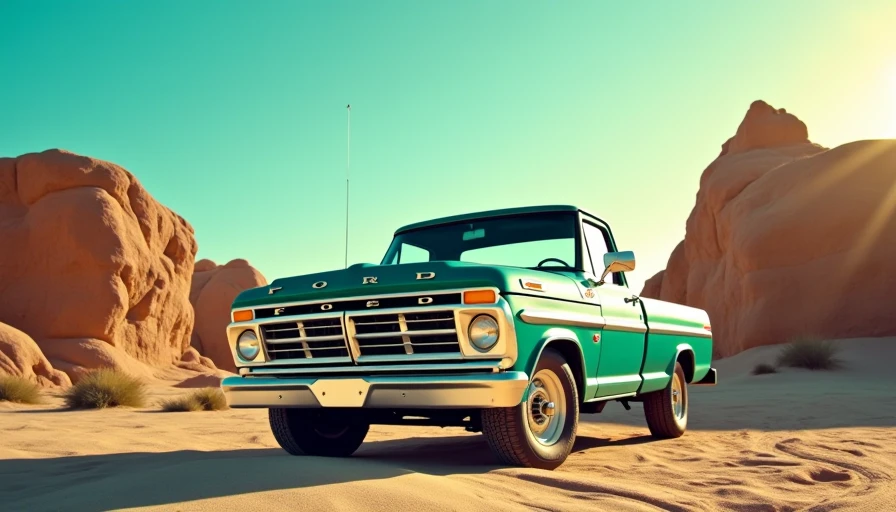
Bullnose Ford Maintenance: How to Keep Your 1980-1986 F-Series Running Strong
Bullnose Ford trucks (1980-1986) need specific care. Dave Krueger covers common issues, torque specs, and safety checks to help you keep yours on the road.
I hear it all the time: "It's a bullnose Ford, it'll run forever." The 1980-1986 F-Series trucks earned the "bullnose" nickname from that squared-off front clip and low-mounted headlights. They're simple, tough, and parts are still cheap. But they're also forty years old now. Rust, worn bushings, aging wiring, and emissions-era carburetors need real attention. If you want to daily-drive one or keep it as a weekend hauler, you need to know what you're getting into.
I've revived plenty of these trucks. Let me walk you through the maintenance that matters, with the torque specs and safety checks that keep you out of trouble. You can do this. Here's the safe, right way.
A Quick Look at the 1980-1986 F-Series
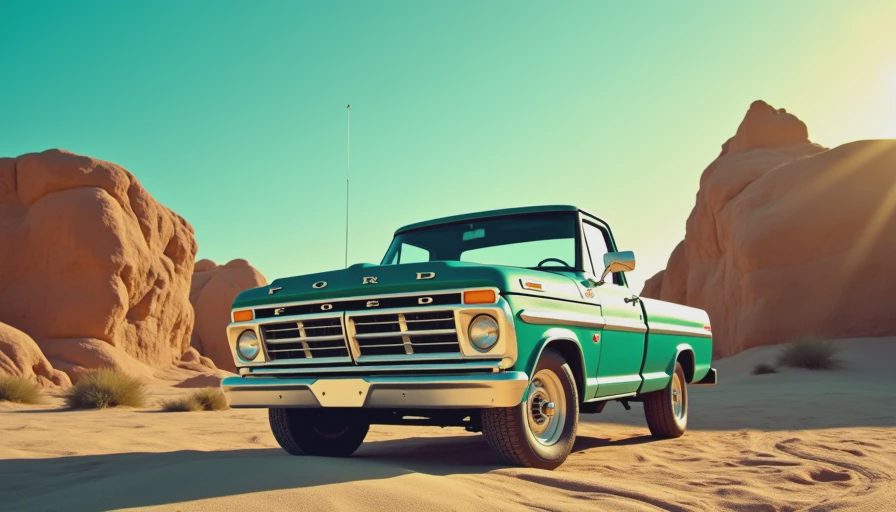
What counts as a bullnose Ford? This generation covers the 1980 through 1986 model years of the F-100, F-150, F-250, F-350, and the related Bronco. The styling broke from the 1970s "dentside" trucks with a more aerodynamic front end and spindly single headlights. Under the skin you'll find the 300 inline-six, the 302 and 351 Windsor V8s, and a few 400s and 460s. Transmissions range from the trusty NP435 four-speed to the C6 automatic.
This generation stopped production after 1986, when Ford moved to the "bricknose" body style. That means your truck is now approaching four decades old. Newer trucks have more electronics, but these are refreshingly analog. You can fix almost anything with basic tools and a manual.
Common Trouble Spots
Here's what I see go wrong most often when these trucks roll into a shop. First is rust, especially on the radiator support, cab corners, and brake lines. A truck that spent time in road-salt states can have brake lines that look solid but crumble when you grab them.
Second is the carburetor and ignition system. Many of these trucks still run the original Motorcraft 2150 or variable-venturi carb. If it sat for a while, throttle shafts wear out and vacuum leaks send the idle hunting. Worn tie rod ends and a sloppy steering box make the truck wander. Replace bushings and ball joints during a tune-up.
Safety First: Pre-Work Checklist
Before you put a wrench on anything, set yourself up right. Park on level ground, engage the parking brake, and chock the wheels. Use jack stands if you're raising a wheel — never trust a bumper jack. Corrosion may make exhaust bolts brittle, so soak them in penetrating oil the night before. Wear safety glasses and gloves.
Tool Check: For most of these trucks, you'll want a 3/8-inch drive metric and SAE socket set (these trucks mix both), a set of combination wrenches, a torque wrench that reads in foot-pounds, a breaker bar, screwdrivers, and a good shop light. Keep a can of PB Blaster nearby. Fasteners mix metric and standard, so check your manual.
Step-by-Step: Basic Fluid Service
Let's do a crankcase oil change the right way. Run the engine for two minutes to warm the oil, then shut it off. Safety First: let it cool for five minutes so you don't get burned, but keep it warm enough to flow.
Position the drain pan under the oil pan. Remove the drain plug — typically 1/2-inch or 13mm — and check the washer. Let it drain fully, 10 minutes. While it empties, replace the oil filter. Spin-on filters on a bullnose Ford can be tight; use a cap-style wrench. Lube the new gasket with fresh oil, install hand-tight, then a quarter turn more.
Reinstall the drain plug and torque it to 25-30 ft-lb. The spec matters — too tight and you strip the pan, too loose and you leak. Fill with 5W-30 in cold climates or 10W-30 in warmer areas. Capacity is around 5-6 quarts; verify with your manual. Run the engine, check for leaks, and recheck the level.

When to Call a Pro
I'm a believer in doing your own work, but there are limits. If you find frame rot, a cracked steering gear, or an engine knock that sounds like a marble in a coffee can, that's when you stop. Ignoring the signs turns it into a money pit. Also, if you're not comfortable with the electrical system — a known issue on these trucks — bring in a professional who knows vintage Fords.
Before you call, have your torques and parts ready. You'll save money if you do your own diagnosis and only pay for the install. Expect to pay a shop around $100 to $150 an hour for labor, with parts on top. A complete brake job on a bullnose Ford can easily run $600 to $900 with new rotors, pads, and lines. Know when your time matters more than the money saved.
Frequently Asked Questions
Here are three questions I get weekly.
Can I use modern synthetic oil in a bullnose Ford? Yes. Synthetic 5W-30 or 10W-30 works fine. For high-mileage engines, a high-mileage formula helps.
Why does my bullnose Ford idle rough? Vacuum leaks are common. Check the PCV hose, the brake booster line, and the intake manifold gaskets. Clean the carb base and check the timing.
Should I replace the carburetor with a fuel injection kit? Only if you're ready for the cost. Aftermarket EFI systems run $1,500 to $2,500 plus labor. For a weekend truck, a rebuilt Motorcraft carb is a fraction of that and works great.
Keep Your Bullnose Ford on the Road
These trucks are American icons, and they'll keep working if you stay ahead of the maintenance. A bullnose Ford rewards a careful owner. Start with a full inspection, replace what's brittle, and torque every bolt to spec. Drive it with confidence, and pass it to the next generation. That's the safe, right way.
Comments
No comments yet — be the first to share a thought.