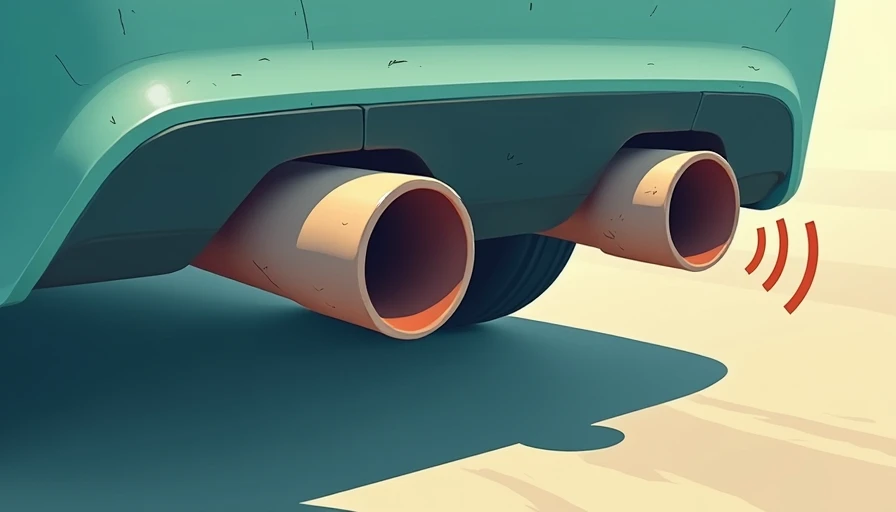
Car Wheezing Sound: Find the Cause Before It Becomes a Breakdown
Car wheezing sound diagnosis: learn what intake leaks, belts, hoses, and exhaust faults mean, what to inspect safely, and when to call a mechanic for your...
A car wheezing sound is easy to dismiss as normal engine noise, especially when it only appears during acceleration. That is a mistake I see often. A wheeze can come from a harmless air leak, but it can also point to a failing serpentine belt, restricted air filter, turbocharger problem, or vacuum leak that affects engine performance. You can do this. Here's the safe, right way: identify when the noise happens, inspect the simple components first, and know when the car needs professional diagnosis.
Start by Describing the Sound and Timing
Before opening the hood, pay attention to the conditions that produce the noise. Does the car wheeze at idle, only when you press the accelerator, or while turning the steering wheel? Does engine speed change the pitch? A noise that follows RPM is usually related to the engine, belt drive, intake, or exhaust. A noise that follows road speed may come from a wheel, tire, or underbody panel instead.
A car wheezing sound during acceleration often indicates air moving through a restricted or leaking passage. A car wheezing sound at idle can point toward a cracked vacuum hose or intake boot. If the noise appears when the air conditioner starts, inspect the belt, tensioner, and compressor area. If it happens during steering, stop treating it as an ordinary engine noise; a low fluid level or power-steering fault could be involved on older hydraulic systems.
Do not rev a cold engine repeatedly while standing over it. Have another person sit in the driver seat, apply the parking brake, and shift an automatic transmission into Park. Keep hands, loose clothing, and tools away from the belt path.
Safety First and Tool Check
Safety First: Park on a level surface, shut the engine off before touching anything, and let hot exhaust and coolant parts cool completely. Never remove a radiator cap from a hot engine. Never crawl beneath a vehicle supported only by a jack. If you need to raise the car, use correctly rated jack stands on the manufacturer-approved support points, then give the vehicle a gentle push before working underneath.
Tool Check: You will want a bright flashlight, safety glasses, nitrile gloves, a basic socket set, a trim tool, a mechanic's stethoscope, and an inexpensive OBD-II scanner. A length of clean hose can help you listen for an air leak, but keep it away from moving parts. Do not spray flammable brake cleaner, starting fluid, or carburetor cleaner around a running engine. Some technicians use an approved smoke machine instead, because smoke testing finds intake leaks without introducing a fire hazard.
Torque to spec — and yes, the spec matters. For this inspection, do not loosen intake clamps, throttle-body fasteners, belt tensioners, or exhaust hardware unless you have the service information for your exact vehicle. Those torque values differ widely by make and model. A generic “tight enough” approach can crack plastic, distort a gasket, or create a second leak.
Inspect the Intake, Filter, and Vacuum Hoses
The intake system is the first place I look for a car wheezing sound. With the engine off, follow the large hose from the air filter box to the throttle body. Look for splits on the underside, loose clamps, missing caps, and oily dust gathered around a joint. That dusty ring often marks air moving through a leak. Flex rubber hoses gently; a crack may open only when the material bends.
Remove the air filter only if your owner's manual shows how the housing opens. A filter packed with dirt, leaves, or insects can restrict airflow and produce a sucking or wheezing noise. Hold the filter toward a light. If very little light passes through the pleats, replace it rather than trying to wash a paper filter. Check that the housing lid is seated evenly and that its clips or screws are secure.
Small vacuum hoses deserve equal attention. Look for brittle ends, collapsed sections, and hoses disconnected from their fittings. A vacuum leak can cause rough idle, high idle speed, hesitation, or a check-engine light in addition to the noise. Do not cap random hoses as a test; emissions and brake-assist systems depend on correctly routed vacuum lines.
Check the Serpentine Belt and Accessories
A car wheezing sound that rises and falls with engine speed can come from the accessory drive. Inspect the serpentine belt for frayed edges, missing ribs, glazing, or deep cracks. Modern belt cracks are not always obvious, so compare the ribbed surface with the replacement guidance in the owner's manual. Oil or coolant contamination is a reason to repair the leak, not simply install another belt.
With the engine off, press the belt only as directed by the vehicle manufacturer; many automatic tensioner systems cannot be judged accurately by finger pressure. Look at the tensioner and idler pulleys for wobble or a damaged bearing. A mechanic's stethoscope can help a trained person isolate a bearing, but never place its probe near a moving belt. Do not use belt dressing as a permanent repair. It can mask the symptom while the belt or pulley continues to fail.
If the sound begins immediately after an alternator, water pump, or air-conditioning repair, suspect belt routing or pulley alignment. Photograph the belt path before removal and compare it with the routing diagram. A misrouted belt can turn accessories backward or throw the belt into the engine bay.

Consider the Turbocharger and Exhaust System
On a turbocharged engine, a car wheezing sound under load can result from a loose charge-air hose, intercooler connection, or diverter-valve problem. Check for a split hose, a loose clamp, or oil mist around a connection. A small amount of oily residue inside turbo plumbing can be normal, but a wet leak combined with smoke, poor acceleration, or rising oil consumption needs prompt attention.
Exhaust leaks can also create a car wheezing sound, particularly near the exhaust manifold, turbo flange, or a cracked flex pipe. Inspect only when the system is cold. Look for black soot marks around a flange or listen for a puffing noise during a cold start from a safe distance. Do not put your face near the tailpipe or crawl beneath a running vehicle in a closed garage. Carbon monoxide is invisible and dangerous.
A loud whistle accompanied by loss of power, a flashing check-engine light, blue smoke, overheating, or an oil-pressure warning means stop driving and arrange a tow. Continuing to run an engine with a severe air, oil, or cooling problem can turn a manageable repair into a damaged turbocharger or engine.
A Practical Diagnostic Sequence
Begin with a cold visual inspection and record the noise with a phone from outside the vehicle. Next, scan for trouble codes without clearing them. Codes for lean operation, misfires, or airflow problems provide useful direction, but the code does not automatically identify the failed part. Then inspect the air filter, intake boot, vacuum hoses, belt, pulleys, and visible exhaust joints in that order.
After repairs, clear away tools and start the engine with the hood open but your body outside the engine compartment. Listen at idle, then have a helper raise engine speed gently. Recheck for warning lights and take a short test drive on a familiar road. If the car wheezes only under load, a smoke test, boost-leak test, or exhaust backpressure test may be needed. Those procedures are usually faster and safer at a well-equipped repair shop.
When to Call a Professional
A car wheezing sound deserves professional attention when you cannot locate it after a careful inspection, when the engine runs poorly, or when the noise is getting louder. Stop immediately for overheating, smoke, fuel odor, a flashing check-engine light, severe vibration, or loss of braking assistance. Do not gamble on a long commute because the vehicle still starts.
When requesting an estimate, describe the exact conditions: cold or hot engine, idle or acceleration, air conditioner on or off, and whether power changed. Ask whether the technician plans a smoke test or pressure test rather than authorizing random parts replacement. A basic intake hose may cost roughly $50 to $250 installed, while a turbocharger, exhaust manifold, or accessory-drive repair can run from several hundred dollars to well over $1,500 depending on the vehicle.
The goal is not to silence the car temporarily. Find the leak, restriction, bearing, or exhaust defect that produces the noise, repair it correctly, and verify the result. With a calm inspection and proper safety habits, many owners can identify the first suspect before paying for diagnosis. If the evidence points beyond your tools or experience, calling a qualified mechanic is the right DIY decision.
Comments
No comments yet — be the first to share a thought.