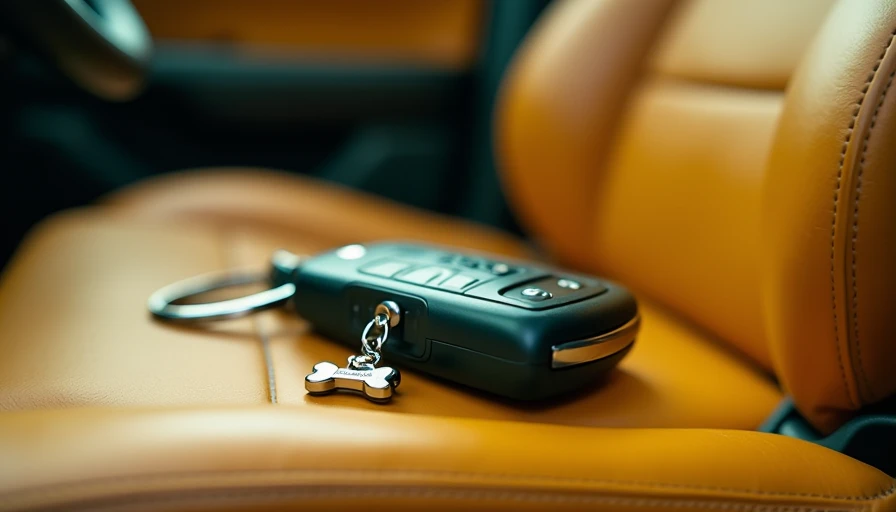
Cars Dog Safety: How to Drive With Your Pup Without Wrecking Your Ride
Cars dog safety isn't optional. Learn how to secure your pup, avoid deadly heat dangers, and keep your car clean with expert tips from an ASE Master Tech.
If you've ever tried to drive with a 70-pound lab squeezing between the seats, you already know that cars dog safety is no joke. I'm Dave Krueger, an ASE Master Technician with more than 20 years in dealership service. I've rebuilt cars that lost the battle with an excited pup, from chewed wiring to scratched leather. You can do this. Here's the safe, right way.
Why Cars Dog Safety Is a Two-Way Street
A loose dog can block the pedals, knock the shifter, or distract you at exactly the wrong moment. Cars dog safety means restraint, and restraint means the right equipment. A standard seat belt won't fit a dog. You need a crash-tested harness that connects to the LATCH system or a dog-specific seat belt. Brands like Kurgo, Ruffwear, and Sleepypod make harnesses that have been through simulated crash testing. Sleepypod's Clickit harness attaches to the LATCH anchors just like a child safety seat.
Tool Check: before you buy anything, look for the official "crash tested" label. Not every harness on the market has been through real testing. Make sure it fits your dog's chest, not just its neck. Measure your dog's chest and weight, then check the manufacturer's size chart.
I've seen cars dog owners treat the back seat like a playground. A dog that can roam freely can end up under the pedals or in your lap. That's why a solid restraint is as important as your own seat belt. If you wouldn't drive without buckling up, don't drive without securing your dog.
The Right Way to Secure a Dog in Your Car
You have three solid options: a crash-tested harness, a hard-sided crate, or a metal barrier behind the back seat. A harness is best for dogs under 75 pounds riding in the back seat. A crate is the safest in a serious crash; it must be strapped down so it doesn't slide. A barrier works well for SUVs, but you still need a tether to keep the dog from being thrown forward.
Safety First: never put a dog in the front seat. Airbags can hurt a small dog badly. The back seat is the only safe place, with the middle seat being best.
If you're bolting a barrier or crate into the cargo area, use the manufacturer's torque specs. Over-tightening can strip the threads. The manual will tell you the exact foot-pounds for each bolt.
Heat Danger: The Deadliest Threat to Dogs in Cars
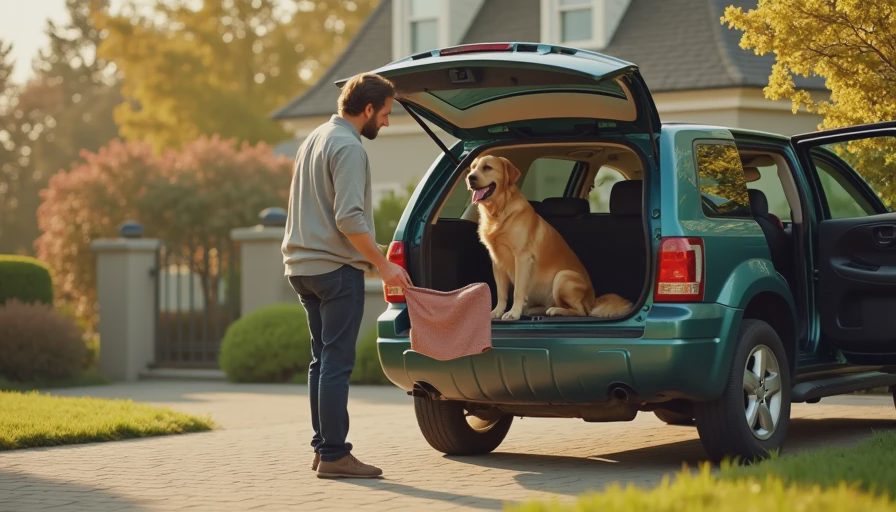
Even on a mild 70-degree day, a parked car can hit 110 degrees in less than 30 minutes. Cracking a window doesn't help. Dogs cool themselves by panting, and a hot car can overwhelm that system fast. I've worked on a car where a family lost a golden retriever because they thought five minutes was fine. Never leave your dog alone in a parked car. If you're running errands, leave the dog at home.
Cold weather is just as dangerous. A parked car can act as a refrigerator, and a dog can get hypothermia. The safest rule is simple: if the dog stays, the car is off.
Protecting Your Interior From Dog Wear and Tear
Dogs scratch leather, shed hair into carpet, and leave mud and drool that make a car smell. A good waterproof, machine-washable seat cover is worth it. Brands like Wetdog and Carhartt make durable covers. A hammock-style cover also keeps your dog from falling into the footwell.
Tool Check: keep a rubber grooming mitt in the car to wipe fur off seats. A handheld vacuum works for hair and crumbs. For dried mud, let it dry, then brush it off.
Common Mistakes I See in My Shop
One of the most common mistakes is letting your dog ride with its head out the window. I get it — the photo is cute. But wind can cause eye injuries, and debris can hit your dog at high speed. Another mistake is using a harness that's not crash-tested. A cheap harness might keep your dog in the back seat, but it can snap in a crash.
Cars dog safety starts with avoiding these mistakes. I also see people who use a regular leash around the seat belt. That's not a restraint; it's a choking hazard. A proper harness distributes force across the chest, not the neck. And when it comes to cleaning, don't use household glass cleaner on dog drool — it can leave a film and damage the trim. A simple vinegar-and-water mix works better for organic stains.
Before You Drive Off: A Mechanic's Checklist
Run through this list before a road trip:
- Confirm the harness or crate is properly installed and clipped.
- Make sure your dog's collar has ID tags.
- Pack water and a collapsible bowl, but keep them in the front seat.
- Store loose gear in the trunk so it doesn't become a projectile.
- If your dog gets car sick, talk to your vet about motion sickness meds.
Cars dog safety comes down to preparing before you turn the key. A few minutes of setup keeps your dog calm, your car clean, and your brakes ready. If your dog chews through a seat belt, don't try to patch it. Bring it to a professional. A chewed seat belt won't protect anyone in a crash. Some repairs are beyond a DIY fix, and that's exactly when you should call a pro. You can do this. Here's the safe, right way.
Comments
No comments yet — be the first to share a thought.