What Are Cup Tyres and How Do You Fix Cupped Tires for Good?
Cup tyres are a common cause of noise and vibration. Learn what cupped tires mean, what causes them, and the safe way to diagnose and fix them at home.
If your car thumps like a bass drum at 45 mph, you might blame the wheel bearing or the brakes. But here's what I see go wrong most often: cup tyres. Cupped tires develop scalloped, cup-like dips around the tread, and they make a distinctive noise that changes with speed. The good news is you can diagnose the problem in your driveway with basic tools. I'll walk you through what cup tyres look like, why they happen, and how to fix them the safe, right way.
What Are Cup Tyres, Anyway?
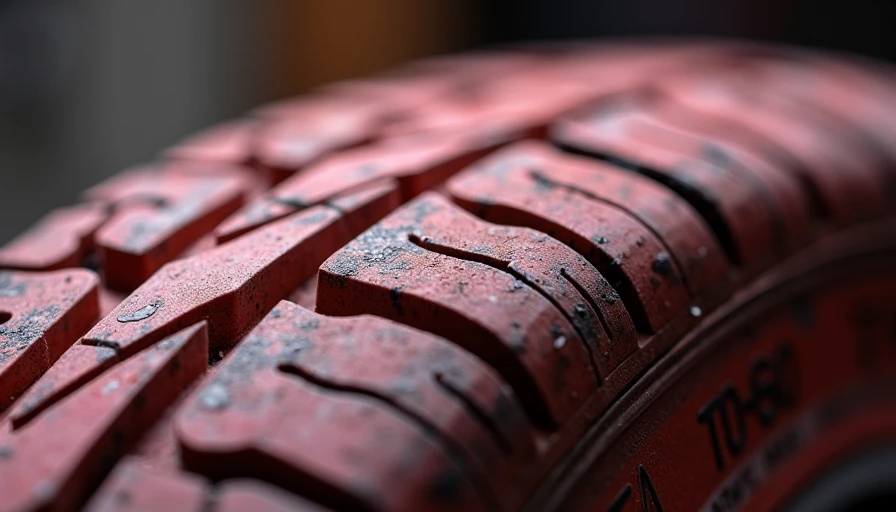
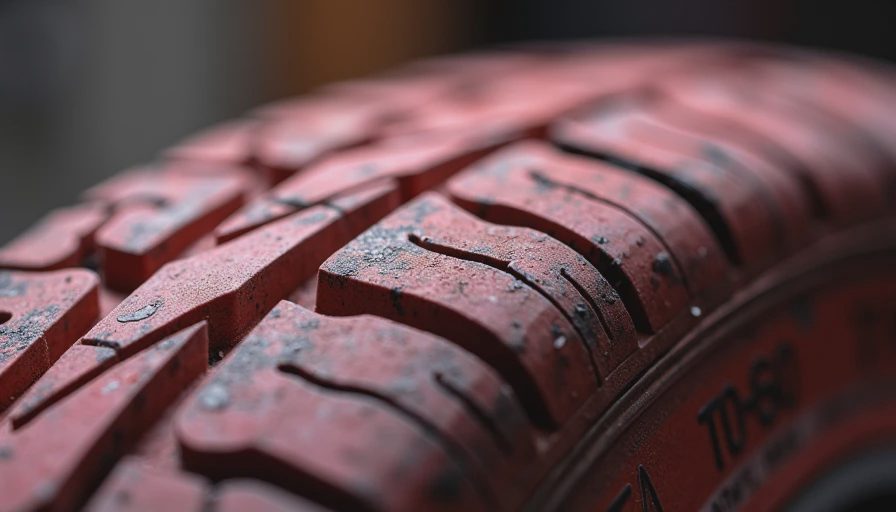
Cup tyres have a repeating scalloped pattern around the circumference instead of a smooth tread face. The tread blocks wear at different heights, so each worn spot slaps the pavement as the tire rolls. That's the thumping or "womp-womp" sound you hear between 30 and 60 mph. You may also feel a vibration in the steering wheel or the seat, depending on which axle is affected.
Cup tyres are not the same as flat-spotting or sawtooth wear. Flat spots come from locked brakes or long storage; sawtooth wear happens on one side of the tread. Cupping runs across the tread in a wave pattern that wraps the full circumference, often on one side more than the other.
What Causes Cupped Tires?
A worn shock or strut lets the tire bounce as it rolls. That constant bouncing makes the tread dig in and lift off unevenly, which creates the cup pattern. Worn ball joints, tie rod ends, and control arm bushings do the same thing by letting the wheel move more than it should.
An out-of-balance wheel is another common cause. A missing balance weight lets the wheel vibrate at highway speed, hammering the tread in a regular rhythm. I've also seen aggressive cornering and overinflation cause cupping, but suspension wear is the usual suspect.
How to Check for Cup Tyres at Home
Safety First: Park on a flat, level surface, set the parking brake, and chock the rear wheels if you're lifting the front. Never rely on a floor jack alone — always use jack stands.
Tool Check: A floor jack, two jack stands, a lug wrench or impact gun with a torque wrench, and a flashlight. A clean rag helps too, so you can feel the tread without dirt interfering.
Lift one corner of the car and support it on a jack stand. Spin the tire slowly by hand as you run your palm across the tread. Cup tyres feel like a washboard, with alternating high and low spots. Look for a scalloped pattern along the outer or inner edge. If one tire is cupped, check all four.
Before blaming the tire, check the suspension. Grab the tire at 12 and 6 o'clock and wiggle; movement means a worn bearing or ball joint. Then grab at 9 and 3 and push-pull; play there points to tie rods or loose steering parts.
Can Cup Tyres Be Fixed, or Do You Need New Tires?
Rotating cupped tires to the back only hides the noise. If the cupping is mild and the tread is deep, a shop might shave the tire or rebalance it. But in most cases, cup tyres mean replacement. The tread has lost material unevenly, and that can't be undone.
Replace the worn suspension parts first, or the new tires will cup the same way. I've seen tires with 5,000 miles already showing cup wear because the alignment was ignored. When you reinstall the wheels, torque the lug nuts to spec — for many cars that's 80 to 100 lb-ft, but check your owner's manual. And yes, the spec matters.
How to Prevent Cup Tyres From Coming Back
Rotate your tires every 5,000 to 7,500 miles, or follow your owner's manual. Rotation won't fix cupping that's already there, but it stops small wear differences from growing into scallops.
Keep your tires inflated to the pressure on the door sticker, not the sidewall number. Underinflation wears the edges; overinflation wears the center. Both make tires more likely to cup.
Have your alignment checked once a year and after any suspension work or hard curb hit. A basic alignment runs about $80 to $150. That's cheap compared to a set of four quality tires, which will set you back $400 to $1,200 depending on the vehicle and brand.
Also, check tire pressure at least once a month and before long trips. Temperature swings in states like Minnesota can drop pressures by several psi overnight, and underinflated tires run hotter and wear faster. A simple digital gauge costs about $10 and takes thirty seconds.
How Much Does Fixing Cupped Tires Cost?
If you only need a rebalance and alignment, you're looking at $100 to $200 at most shops. A tire shave, if the tire has enough tread, might run $20 to $40 per tire. But if the cupping is severe, plan on new tires. A set of four mid-range all-season tires for a sedan will cost $500 to $800 installed; for a truck or SUV, expect $800 to $1,200. Add suspension work like shocks or struts, and the total can climb to $1,500 or more. That's why catching cupped tires early matters — it saves you the most expensive part of the repair.
When to Call a Pro
You can do this. Here's the safe, right way — but some jobs are best left to a shop. If you find severe cupping, don't drive long distances on those tires. A cupped tire can fail at highway speed. If you're not comfortable lifting the car or checking joints, pay a shop for a diagnosis. Expect to pay $100 to $160 for a thorough inspection, often credited toward the repair.
New shocks or struts require spring compressors and suspension know-how. That's not a beginner driveway job. Have a pro do the replacement, then get an alignment. Your new tires will thank you, and the thump will be gone.
Comments
No comments yet — be the first to share a thought.