How to Use a Breaker Bar Like a Pro – The Safe Way to Break Loose Stuck Bolts
Learn how to choose and use a breaker bar to break loose rusted bolts safely. Dave Krueger shares the right technique and safety tips for DIYers working on...
If you've ever fought a rusted lug nut or a seized suspension bolt, you know the frustration. A standard ratchet often isn't enough, and that's where a **breaker bar** comes in. This tool is designed to deliver maximum torque to break stubborn fasteners loose. In this guide, I'll show you how to choose the right one, use it safely, and avoid common mistakes.
What Makes a Breaker Bar Different
A breaker bar looks like a ratchet without the ratcheting mechanism. It's a solid steel bar with a pivoting head that accepts sockets. The lack of a ratchet means no internal pawls to break under high torque. That's the whole point: you can apply all your strength without worrying about damaging the tool. Most mechanics keep at least one in their box for jobs like axle nuts, control arm bolts, and crank pulley bolts. If you're working on older vehicles or anything in the rust belt, this tool is essential.
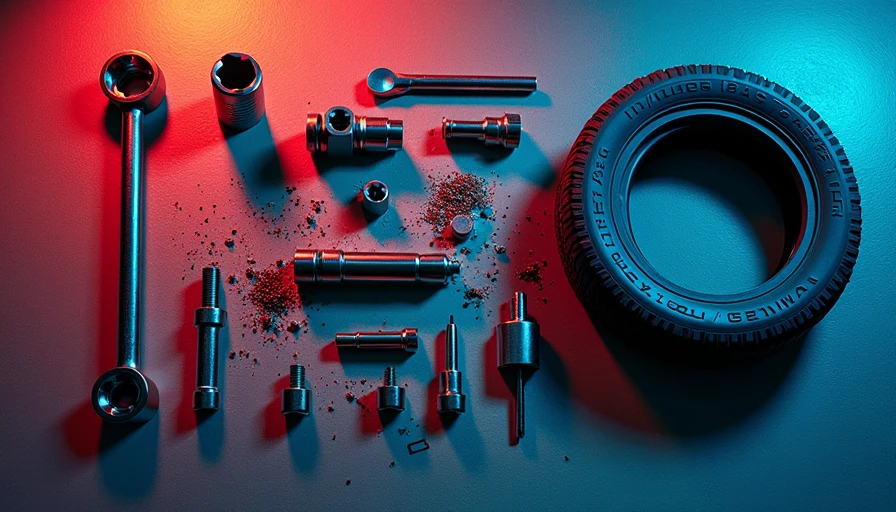
When to Reach for One Instead of a Ratchet
Use it when you first encounter a fastener that won't budge with a standard ratchet. The extra length gives you more leverage. For example, on a 2010 Ford F-150's lower ball joint nut that has been rusted for years, a 1/2-inch drive version with a cheater pipe can often break it free without needing an impact gun. Another common job is removing the axle nut on a Subaru Outback — those are torqued to around 180 ft-lbs and often seize. Once the fastener is loose, switch to a ratchet to speed up removal. Never use it to tighten — you'll overtighten and risk damage.
Safety First with This Tool
Here's where I see DIYers get hurt. A lot of energy is stored in the bar. If you slip or the fastener snaps, the bar can whip around. Always use sockets rated for impact use. Wear safety glasses and heavy gloves. Position yourself so that if it slips, you won't hit your body on the vehicle. Also, never use a cheater pipe unless you are certain the bar can handle the extra stress. Many cheap bars can bend or break. I recommend a chrome-moly alloy bar like the ones from Tekton or Gearwrench for durability.
Proper Technique for Breaking Loose Bolts
Tool Check: breaker bar, correct socket (6-point preferred), penetrating oil, safety glasses, gloves.
- Apply penetrating oil to the fastener and let it sit for 10-15 minutes.
- Select the correct socket and attach it firmly to the bar.
- Engage the socket fully onto the fastener, seated square.
- Position your hands: one near the head for control, one at the end for leverage.
- Apply steady, increasing force. Do not jerk or bounce.
- If it doesn't move, apply more oil and wait. Heat can help, but be careful.
- Once it breaks free, switch to a ratchet.
Choosing the Right Tool for Your Needs
Breaker bars come in different drive sizes and lengths. For most passenger car work, a 1/2-inch drive with an 18-inch length is a sweet spot. For light work, a 3/8-inch may suffice. For heavy truck or axle nuts, go with 3/4-inch or 1-inch. Brands like Snap-on, Matco, and Mac offer professional-grade options. For the home mechanic, a Sunex or Pittsburgh can work well — inspect them regularly. Expect to pay $20-$40 for a decent 1/2-inch bar from a mid-range brand.

Common Mistakes and How to Avoid Them
One mistake is using this tool to tighten fasteners — never do that. Another is using a socket that's not fully seated; this can round off the fastener. Always use six-point sockets. Also, don't use it on a fastener that requires a specific torque value — that's what a torque wrench is for. Avoid using too short a bar; get one at least 18 inches long. Finally, avoid extension bars not rated for high torque.
When to Call a Pro
If you've applied all your body weight and the fastener still won't move, bring out an impact wrench or torch. If you don't have those tools or experience, take it to a shop. I've seen too many stripped bolts and broken knuckles from overconfidence. Know your limits.
Frequently Asked Questions About Breaker Bars
**Q: Can I use a breaker bar with a torque wrench adapter?**
A: Yes, but it's not ideal. The extra length can throw off torque readings. It's better to use a dedicated torque wrench for final tightening.
**Q: How do I store a breaker bar to keep it in good condition?**
A: Wipe it down after use to remove grease and debris. Store it in a dry place, and consider using a protective sleeve. For long-term storage, lightly oil the metal to prevent rust.
**Q: Is a breaker bar the same as a cheater bar?**
A: No. A breaker bar is a tool itself; a cheater bar is a pipe slipped over a ratchet handle for extra leverage. Using a cheater bar on a ratchet can damage the ratchet, so a proper breaker bar is safer and stronger.
**Q: Can I use a breaker bar on aluminum fasteners?**
A: Yes, but be careful. Aluminum fasteners are softer and can strip easily. Use a six-point socket and apply steady pressure. Avoid impact-like jerks.
**Q: What's the best length for a home mechanic?**
A: An 18-inch bar is versatile. It fits in most toolboxes and gives enough leverage for 90% of car repairs. If you work on heavy trucks, consider a 24-inch or 36-inch bar.
Final Thoughts
A breaker bar is simple but powerful. Used correctly, it saves hours of frustration and protects your ratchets. Add one to your kit, practice on a junk part. Remember: steady pressure, good sockets, and safety gear. Now go break that stubborn bolt loose.