Defensive Driving Tips for Highway: Stay Safe and In Control
Master defensive driving tips for highway safety. Learn following distances, scanning techniques, and vehicle prep to avoid accidents on the road.
You hit the on-ramp, merge into traffic, and set the cruise control. That’s when most drivers relax—and that’s exactly when mistakes happen. I’ve spent 22 years in dealership service, and I’ve seen the aftermath of highway crashes that could have been avoided with the right mindset. These defensive driving tips for highway travel will help you stay alert, anticipate trouble, and arrive safely.
Why Defensive Driving Matters on the Highway
Highways have higher speeds and fewer reaction times than city streets. At 70 mph, your car covers 103 feet every second. A split-second distraction can mean a rear-end collision or a lane-change sideswipe. Defensive driving isn’t just about knowing the rules—it’s about actively expecting the unexpected. This set of defensive driving tips for highway conditions focuses on the habits that keep you in control when other drivers make bad choices.
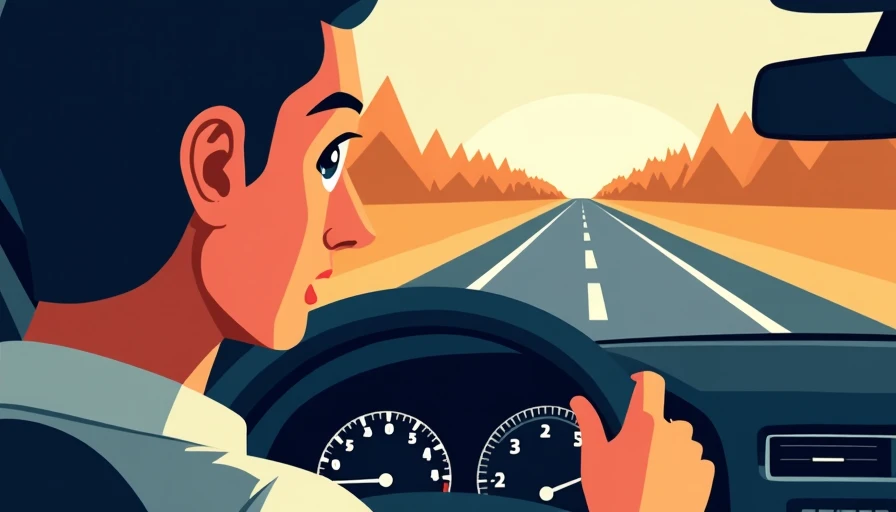
Tip 1: Maintain a Safe Following Distance
The 3-second rule is your baseline. Pick a fixed point—like a sign or bridge—and count “one-thousand-one, one-thousand-two, one-thousand-three” as the car ahead passes it. If you reach the same spot before you finish counting, you’re too close. In rain, snow, or at night, double that to 6 seconds. I’ve replaced countless radiators from pile-ups where the rear driver was following too close. Leave yourself room to brake gradually—sudden stops on the highway often trigger chain-reaction crashes.
Tip 2: Scan Ahead and Check Mirrors Frequently
Most drivers focus straight ahead. Defensive drivers scan 15 to 20 seconds ahead—about a quarter mile at highway speeds. Look for brake lights, merging vehicles, or debris in the road. Every 5 to 8 seconds, sweep your mirrors: rearview, then driver’s side, then passenger’s side. Know who’s next to you and behind you. This way, if someone swerves into your lane, you already have an escape route. One of my students avoided a jackknifing semi because he saw the truck’s brake lights and moved to the right lane before the driver lost control.
Tip 3: Stay Visible and Avoid Blind Spots
Your car’s blind spots are real. Adjust your side mirrors until you just barely see the rear edge of your own car. That minimizes the blind zone. Before changing lanes, do a shoulder check—don’t rely solely on mirrors. Also, avoid lingering in other drivers’ blind spots. If you can’t see the truck driver’s face in their side mirror, they can’t see you. Speed up or slow down to stay visible. A friend’s van was totaled when a sedan sat in his blind spot for miles. These defensive driving tips for highway navigation rely on constant awareness.
Tip 4: Prepare Your Vehicle Before You Hit the Highway
Defensive driving starts before you start the engine. Check your tire pressure (including the spare), verify all lights work, and top off washer fluid. A sudden blowout or a burned-out headlight at night can escalate into a dangerous situation. On a long trip, test your brakes at a low speed before merging. I tell every student: know your car’s limitations. If you’re driving an older car, keep an extra quart of oil and a jug of coolant in the trunk. Simple pre-trip checks can prevent the breakdown that forces you onto a busy shoulder.
Common Highway Defensive Driving Mistakes to Avoid
Even experienced drivers can forget defensive driving tips for highway safety when they fall into common traps. Here are the top mistakes that contradict safe driving principles:
- **Tailgating in heavy traffic.** When everyone is bumper-to-bumper, the urge to close the gap is strong. But maintaining a gap gives you an escape path if someone stops suddenly. In stop-and-go, leave at least a car length between you and the vehicle ahead.
- **Cruise control overuse.** Cruise control is great for open roads, but in moderate traffic or wet conditions, you need instant foot-on-pedal control. I’ve seen drivers hydroplane because they couldn’t decelerate quickly enough with cruise engaged. Disengage it when traffic builds or rain starts.
- **Failing to signal early.** Your turn signal is not just a courtesy—it’s a communication tool. Signal at least three seconds before changing lanes. That gives others time to adjust. In my repair shop, many side-swipe damages could have been prevented if the lane-changer had signaled earlier.
- **Driving in another driver’s blind spot for too long.** As mentioned earlier, this is a common habit. Speed up or drop back to stay visible. A defensive driver never lingers beside another vehicle.
- **Ignoring road conditions.** Even good habits fail if you don’t adjust for weather. Rain, fog, and glare reduce visibility and traction. Slow down by 5-10 mph and increase your following distance.
By avoiding these mistakes, you incorporate defensive driving tips for highway travel into your automatic behavior.
Your Safety is Worth the Effort
There’s no magic trick to highway safety—just consistent habits. These defensive driving tips for highway driving boil down to three principles: give yourself space, stay aware, and keep your vehicle ready. The next time you merge onto the interstate, take a deep breath and commit to the techniques above. You can do this. Here’s the safe, right way. A student of mine once told me that applying these tips saved him from a multi-car pileup on I-95. That’s the kind of result that makes a difference.
*Drive safe, and keep your eyes moving.*