How To Avoid Rear End Collision: How to Avoid a Rear-End Collision: Safe Driving Habits and Vehicle Maintenance Tips
Learn how to avoid rear-end collision with proactive driving techniques and essential car maintenance. Dave Krueger, ASE Master Technician, explains the...
Rear-end collisions are the most common type of car accident in the U.S., accounting for nearly 30% of all crashes. The good news? Most are preventable. Knowing **how to avoid rear end collision** situations is a skill you can learn—and it starts with a mix of smart driving habits and proper vehicle care. I'm Dave Krueger, ASE Master Technician, and in this guide I'll walk you through the steps to keep your distance and your brakes ready.
Maintain a Safe Following Distance
The single most effective way to avoid a rear-end crash is leaving enough space between you and the car ahead. The three-second rule is the standard: pick a fixed object (like a signpost) and count the seconds after the car in front passes it. If you reach the object before you count three, you're too close. In rain or snow, double that to six seconds. I see drivers tailgating every day—it's the biggest cause of rear-end collisions. Give yourself room to react.
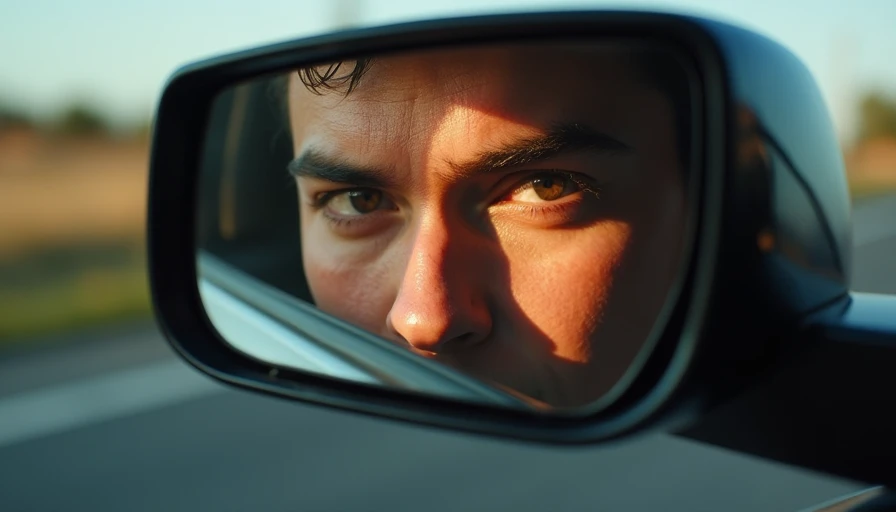
Keep Your Brakes in Top Condition
Even the best driving habits won't help if your brakes can't stop the car. Inspect your brake pads and rotors regularly. A good rule: have them checked every 12,000 miles or once a year. If you hear squeaking or grinding, don't wait. Replace pads before they damage the rotors. Also, flush your brake fluid every two years—moisture in the fluid reduces stopping power, especially in hard braking. Here's what I see go wrong most often: neglected brake fluid that's dark and dirty. Torque your caliper bolts to spec (typically 25-35 lb-ft) if you do the job yourself.
Check Your Tires for Proper Traction
Your tires are the only thing connecting your car to the road. Worn or underinflated tires increase stopping distance significantly—a key factor in **how to avoid rear end collision** situations. Check tire pressure monthly (don't rely on the dashboard system, it's often delayed). Use the penny test for tread depth: insert a penny into the groove with Lincoln's head down. If you see the top of his head, replace the tire. Rotate every 5,000 to 7,000 miles to even out wear. In winter, consider dedicated snow tires if you live in a cold climate; they can cut stopping distances on ice by 30% or more.
Use Defensive Driving Techniques
Defensive driving is more than a buzzword—it's a road map to **how to avoid rear end collision** outcomes. Scan the road ahead, not just the car directly in front. Watch for brake lights two or three cars ahead. If you see them early, you can lift off the gas and coast, reducing the chance that you'll need to slam on your brakes. Also, avoid distractions: put your phone away, set your radio before you drive, and never eat behind the wheel. Reaction time drops by half when you're distracted.
Understand Your Vehicle's Safety Features
Modern cars come with forward collision warning (FCW) and automatic emergency braking (AEB). These systems can help mitigate or avoid rear-end crashes, but don't rely on them blindly. They work best when you already practice safe driving. If your car has adaptive cruise control, use it on highways—it maintains a set following distance automatically. But remember: these systems have limits. Heavy rain, snow, or a dirty sensor can disable them. Keep those sensors clean (usually behind the front grille or windshield) and read your owner's manual for what they can and can't do.
What to Do If You Are at Risk of Rear-End Collision
Even with all precautions, you might face a situation where a stop is imminent. Here's what to do: first, brake firmly but don't lock the wheels (if your car has ABS, press and hold). If you have an escape route to the shoulder, take it—but only if it's clear. Never swerve into oncoming traffic. If a collision is unavoidable, steer to minimize damage: aim for a glancing blow rather than a direct hit. And always keep both hands on the wheel at 9 and 3 to maintain control.
Pre-Trip Safety Checklist to Reduce Rear-End Risks
A quick pre-drive inspection takes five minutes and can make all the difference in **how to avoid rear end collision** incidents. Follow this checklist every time you get behind the wheel:
- **Brake lights and turn signals:** Have a friend check or park near a reflective surface at night. Replace any burnt-out bulbs immediately.
- **Mirrors:** Clean and adjust all three mirrors before moving. Blind spots are a major cause of sudden braking that leads to rear-end crashes.
- **Windshield and wipers:** Clear ice, snow, or dirt. Replace wiper blades every six months—streaks reduce visibility in rain, increasing reaction time.
- **Load and cargo:** Ensure heavy items are secured. Unsecured cargo can shift and distract you or, worse, become a projectile inside the car.
- **Floor mats:** Make sure mats are properly fastened and not interfering with the brake or gas pedals. An entraped pedal can cause unintended acceleration.
Taking these steps daily builds a routine of readiness. Combine this checklist with the driving techniques above, and you'll dramatically cut your risk of ending up in a rear-end collision.
Learning **how to avoid rear end collision** accidents is about building good habits and maintaining your vehicle. Start with the basics: check your following distance, inspect your brakes and tires, and stay focused. You can do this. Here's the safe, right way.
**Safety First:** If you're unsure about any repair, consult a professional. Your life depends on these systems.