Squatted Truck: What You Need to Know Before You Lower It
Thinking of building a squatted truck? We cover the suspension mods, safety risks, maintenance tips, and legal concerns to help you do it right. WheelJudge.
You've probably seen a squatted truck rolling down the highway – rear end dragged low, front end jacked up. It's a look that's hard to miss. But before you start cutting springs or ordering lowering kits, there are some things you need to understand. This isn't just about style; it's about safety and reliability. I'm Dave Krueger, and I've spent 22 years in dealership service. Let me walk you through what a squatted truck really involves.
What Is a Squatted Truck?
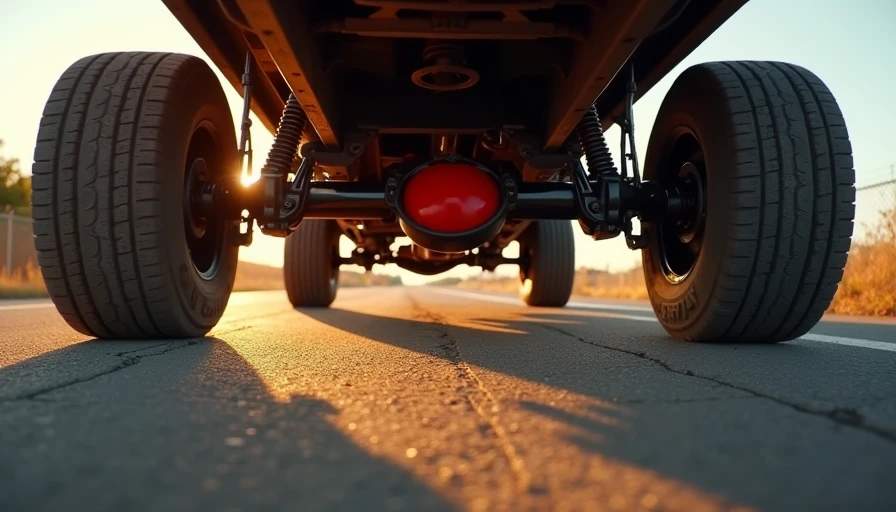
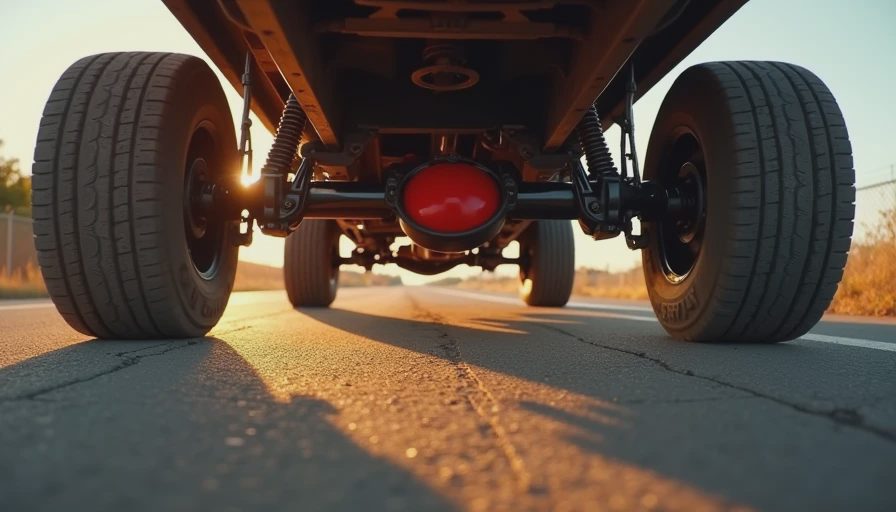
A squatted truck typically refers to a pickup with the rear suspension lowered significantly more than the front, giving it a "nose-up" stance. Some people call it the "Carolina squat" after its popularity in the Southeast, but the look has spread nationwide. The goal is aggressive appearance, but there's a lot of variety: some trucks are slammed evenly, others have a rake that tilts the cab forward. Either way, any squatted truck brings unique challenges.
Common Modifications for a Squatted Look
To squat a truck, owners typically use one of these methods:
- **Lowering springs** – Most common for a mild drop. Easy to install but limited range.
- **Coilover conversion** – Allows adjustable ride height and damping. Good for fine-tuning.
- **Leaf spring flip** – Moves the axle above the springs for a big drop. Requires notch kit to avoid bottoming.
- **Drop spindles** – Lower the front without affecting spring rate. Safer than cutting springs.
- **Bagged suspension** – Air springs let you raise and lower at will. Most versatile, but pricey.
**Tool Check:** You'll need a floor jack, jack stands, spring compressors, torque wrench, and basic hand tools. Always use stands – never rely on a jack alone.
**Safety First:** Never use a torch to heat springs. They can fail catastrophically. And when you're done, check all suspension bolts after 100 miles – they settle.
Safety Concerns You Can't Ignore
A squatted truck isn't just a visual modification – it changes how your truck behaves on the road. Here's what I see go wrong most often:
- **Braking** – Lowering the rear shifts weight forward under braking, but the squat often reduces rear brake effectiveness. Many trucks end up with longer stopping distances.
- **Headlight aim** – Raising the front points headlights up, blinding oncoming drivers. You'll need to re-aim them, and some states regulate this.
- **Suspension geometry** – Drastic drops bind control arms and ball joints, causing premature wear. You'll need aftermarket arms to correct angles.
- **Driveshaft angles** – Lowering the rear can exceed U-joint operating angles, leading to vibration and driveline damage.
- **Tire wear** – Without proper alignment, tires scrub on the inner edge. Budget for frequent rotations.
**Here's what I tell students:** If you're after a daily driver, a 2–3 inch drop is manageable. Beyond that, you're compromising safety. Know the trade-offs.
Maintenance Tips for a Squatted Truck
If you already have a squatted truck, stay on top of these items:
- **CV axles** – Lowering an IFS front end puts constant stress on CV joints. Check boots for tears every oil change.
- **Ball joints and tie rods** – You're past the normal range of motion. Inspect for play at every tire rotation.
- **Alignment frequency** – A squatted truck goes out of alignment faster. Plan on alignments every 6 months or 6,000 miles.
- **Bump stops** – Make sure you have proper bump stop contact. Rigid impacts break shocks and bend control arms.
- **Leaf spring shackles** – If you flipped the springs, verify shackle bolts are torqued to spec (typically 80–100 ft-lbs).
**Torque to spec – and yes, the spec matters.** A loose shackle can let the axle move sideways under load.
Legal Considerations
Many states have laws specific to ride height. For example:
- Headlights must be between 24 and 54 inches above ground.
- Bumpers must align with the vehicle's original design intent.
- Some states prohibit raising the front more than a certain amount relative to the rear.
Check your local DMV or highway patrol regulations. I've seen trucks fail inspection or get tickets because the headlights were aimed at the treetops. A squatted truck that's overdone may even be considered a safety hazard and get impounded.
Cost Considerations When Building a Squatted Truck
Building a squatted truck requires a budget. Here's what you'll likely spend on parts and labor:
- Lowering springs: $200–$500 for a mild drop.
- Coilovers: $800–$1,500 for adjustability.
- Air suspension: $1,500–$4,000 for full versatility.
- Drop spindles: $300–$600 for safe front lowering.
- Rear notch kit: $150–$400 needed for drops over 4 inches.
- Labor: $500–$1,500 if you pay a shop. DIY saves money but needs tools.
- Alignment: $80–$150 after installation.
A complete budget build can cost around $1,000–$2,000, while a high-end air-ride setup may exceed $5,000. A squatted truck is an investment, so plan carefully and buy quality parts to avoid future issues.
Final Thoughts from a Master Tech
You can do this. Here's the safe, right way: If you're set on a squatted truck, buy a quality lowering kit designed for your exact year and model. Avoid cutting springs or stacking blocks. A proper kit includes all the hardware, and ideally comes with a notch kit for the rear frame if you're dropping more than 4 inches. After installation, take it to a professional alignment shop. And if you're unsure about any step, call a pro. It's cheaper than rebuilding a wrecked truck.
I see too many backyard builds that end up with broken parts and near-misses. Don't be that guy. Do it right, and your squatted truck can be both stylish and safe.
Comments
No comments yet — be the first to share a thought.