
What Is Auto Stop? A Technician Explains Stop-Start Systems
Learn what is auto stop, how engine stop-start systems work, when they save fuel, and what warning signs mean before you diagnose a problem in your vehicle.
A common mistake is assuming an engine that shuts off at a traffic light has stalled. In most newer vehicles, that brief silence is intentional. If you have asked, “what is auto stop,” you are looking at an engine stop-start system designed to reduce idling and conserve fuel. The system turns the engine off when conditions are right, then restarts it when you release the brake or press the accelerator.
I have seen drivers worry about the starter, battery, and oil every time the engine stops. That concern is understandable, but the system is engineered with extra hardware and software for frequent restarting. It is not exactly the same as turning your key off in a parking lot. Still, knowing what is happening helps you separate normal operation from a genuine fault.
What Is Auto Stop in Everyday Driving?
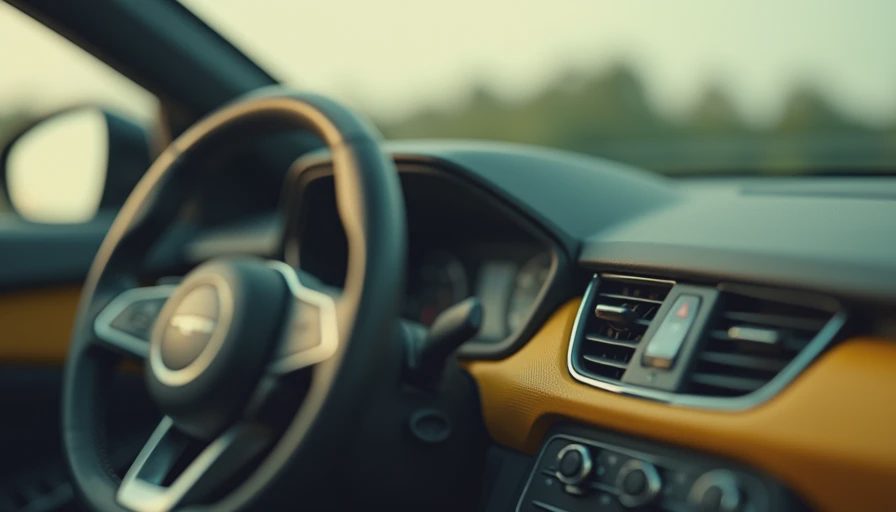
What is auto stop doing when you wait at a red light? The vehicle's computer monitors speed, brake-pedal position, engine temperature, battery charge, cabin temperature, steering input, and other signals. When the car is stopped and the conditions are acceptable, the computer may shut down fuel delivery and ignition. The dashboard usually shows an indicator such as an A inside a circular arrow.
When you lift your foot from the brake, the computer commands a restart. Some models restart when you begin pressing the accelerator, while certain hybrids blend electric motor operation into the transition. The process should feel quick and controlled. You might notice a small vibration, a change in engine sound, or the tachometer dropping to zero. Those signs are normally part of the design.
Auto stop is not active every time you stop. A cold engine, a weak battery, heavy climate-control demand, a steep grade, an open hood, a seat belt condition, or frequent recent restarting can prevent the feature from operating. That is why a vehicle may use the system on one commute but not the next.
How the Stop-Start System Works
A conventional auto-stop vehicle typically uses an enhanced starter motor, a battery built for repeated cycling, and a battery monitoring sensor. The engine control module gathers information from these components and decides whether stopping is safe. The brake system, transmission, body-control module, and climate controls may also exchange information before the shutdown occurs.
This answers another part of what is auto stop: it is a networked control strategy, not just a larger starter. On some vehicles, the starter engages the engine directly. Others use a belt-driven starter-generator or a reinforced starter arrangement. Hybrid vehicles can use an electric motor-generator to restart the gasoline engine, which changes the sound and feel of the event.
The battery is especially important. A normal starting battery is designed to deliver strong power for starting, then recharge. Stop-start vehicles often use an enhanced flooded battery or an absorbent glass mat battery, depending on the design. Installing the wrong battery can create charging problems, warning messages, or premature failure. Always match the replacement battery type and capacity to the vehicle manufacturer's specification.
Safety First: Never reach into the engine compartment while the vehicle is running or while the auto-stop feature is active. The engine can restart without warning if the hood is open or a control condition changes. Set the parking brake, place the transmission in Park, switch the ignition fully off, and keep the key or key fob away before inspecting belts, fans, or battery connections.
Tool Check: For basic inspection, use safety glasses, work gloves, a digital multimeter rated for automotive use, and the owner's manual. Do not probe orange high-voltage cables on a hybrid or electric vehicle. Those systems require specialized training and insulated equipment.
Why Manufacturers Use Auto Stop
The main purpose is to reduce fuel burned while the vehicle is stationary. Idling at long lights, railroad crossings, drive-through lanes, and congested intersections uses fuel without moving the car. Stopping the engine for those intervals can improve efficiency in city driving, where idle time is a larger part of the trip.
The fuel savings are not identical for every driver. A commuter facing many lights may notice a greater benefit than someone driving on an open highway. The system also reduces tailpipe emissions during idle periods. It does not transform a gasoline car into a hybrid, and it does not eliminate fuel use during acceleration, cruising, or cold starts.
Some drivers dislike the restart sensation. That is a comfort preference, not automatically a mechanical problem. Most vehicles include a dashboard button marked with an A and a circular arrow that temporarily disables the feature. On many models, the setting resets the next time you start the car. Do not install an aftermarket device that interferes with factory controls without understanding warranty, electrical, and safety consequences.
When Auto Stop Does Not Work
If the feature rarely activates, start with simple observations rather than replacing parts. Check whether the engine reaches normal operating temperature. Notice whether the air conditioner is working hard on a hot day or the defroster is selected in winter. Look for a battery or charging warning, and consider the battery's age. A stop-start system commonly suspends operation when the computer wants to preserve starting power.
What is auto stop telling you when the dash says “unavailable”? Often, it is protecting the vehicle from a low-charge condition. That message alone does not prove the starter has failed. However, a repeated battery warning, slow cranking, flickering lights, or a no-start event deserves prompt testing.
A shop can test the battery with a conductance tester, inspect the battery sensor, measure charging voltage, and scan for diagnostic trouble codes. Do not judge battery health only by voltage after the car has been sitting. A battery can show acceptable voltage and still lack the capacity needed for repeated restarts.
Does Auto Stop Wear Out the Starter?
This is one of the questions I hear most: does auto stop destroy the starter? The honest answer is that stop-start hardware is designed for more cycles than a conventional system, but every mechanical component still has a service life. The starter, ring gear, battery, and related wiring are selected for the vehicle's expected use.
That does not mean maintenance is optional. Keep battery terminals clean and tight, repair charging-system faults quickly, and use the specified battery technology. If a replacement battery is installed, some vehicles require a battery-management system reset or registration procedure. Skipping that step can cause incorrect charging behavior.
Torque to spec — and yes, the spec matters. Battery terminal fasteners, ground straps, starter bolts, and engine-mounted brackets have model-specific torque values. I will not give one universal number because a torque value from a different engine can damage a terminal or leave a starter loose. Use the service manual or factory repair information for your exact year, engine, and transmission.
When to Stop Driving and Call a Pro
Turn off the vehicle and arrange professional diagnosis if the engine fails to restart, the starter grinds, the battery warning remains illuminated, or the car displays multiple electrical warnings. A burning electrical smell, smoke, repeated hard restarts, or a belt that squeals during startup also deserves immediate attention.
Do not repeatedly press the accelerator or cycle the ignition while trying to overcome a fault. That can drain the battery and make diagnosis harder. Record when the problem occurs, including outside temperature, whether the air conditioner was running, and whether the engine was cold or warm. That information helps a technician reproduce the condition.
You can do this. Here's the safe, right way: read the owner's manual, learn the normal indicator messages, maintain the correct battery, and treat abnormal sounds or warning lights seriously. Now that you know what is auto stop, you can recognize its normal operation without ignoring the symptoms that point to a real electrical or starting-system problem.
Comments
No comments yet — be the first to share a thought.