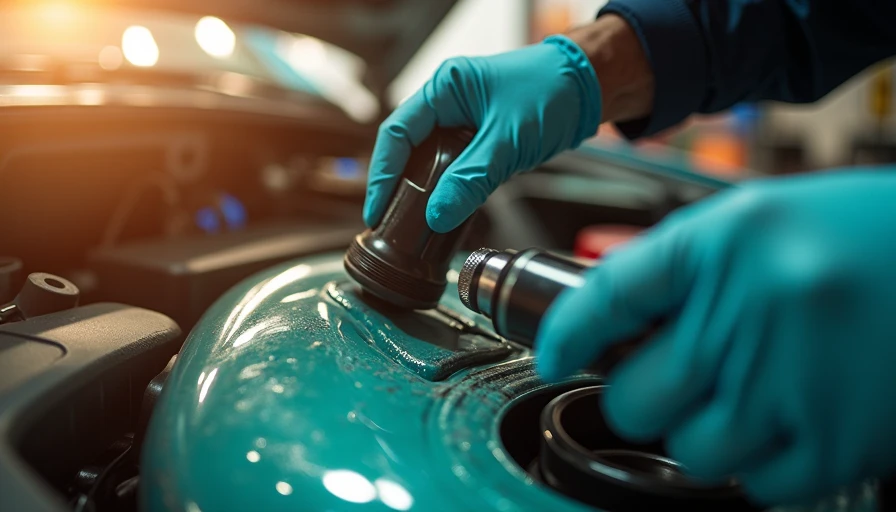
Hybrid Car Cooling System Maintenance: The Safe, Right Way to Protect Your Hybrid
Hybrid car cooling system maintenance helps prevent overheating, inverter trouble, and costly repairs. Learn safe checks, service steps, and warning signs.
A lot of owners assume **hybrid car cooling system maintenance** is just a regular coolant flush with a different badge on the hood. That is where expensive mistakes start. Most hybrids have more than one cooling loop, and one of them may protect high-value components like the inverter or power electronics, not just the engine. Ignore that difference and you can shorten component life fast. You can do this. Here's the safe, right way: understand what your system cools, inspect it methodically, and service it with the exact fluid and bleed procedure your vehicle calls for.
Why hybrid cooling systems need extra attention
On a conventional gas vehicle, the cooling system mainly manages engine temperature, heater output, and radiator flow. On many hybrids, you are dealing with at least two thermal jobs: engine cooling and hybrid component cooling. Some Toyota, Ford, Hyundai, and Lexus hybrids use separate loops for the engine and inverter. Others package things differently, but the point is the same: heat management matters more because electronics hate overheating.
Here's what I see go wrong most often: a driver checks only the main radiator reservoir, sees fluid, and assumes the whole system is fine. Meanwhile, the inverter reservoir is low, the pump is weak, or the coolant has gone overdue. That can trigger warning lights, reduced power, poor fuel economy, or a no-start condition. Compared with a basic coolant service on a small sedan, hybrid cooling repairs can get expensive quickly. A routine coolant exchange might run roughly $150 to $300 at an independent shop, while major hybrid electronics repairs can climb into four figures.
Safety First: know the tools, fluids, and limits
Before any **hybrid car cooling system maintenance**, slow down and identify your vehicle's exact setup. Read the owner's manual and, if possible, a factory service procedure. Do not guess on coolant type. Toyota Super Long Life Coolant, Honda Type 2, and other OEM formulas are not interchangeable just because they look similar.
**Safety First:** Never open a hot cooling system. Let the vehicle cool fully. Wear nitrile gloves and eye protection. Keep coolant off belts, electrical connectors, and painted surfaces. If your hybrid requires access near orange high-voltage cables, stop and make sure the procedure does not involve high-voltage service. Cooling-system inspection is usually low risk, but high-voltage components are not a place to improvise.
**Tool Check:** flashlight, clean funnel, spill-free funnel kit, drain pan, trim tools if covers must come off, torque wrench, hose-clamp pliers, and the correct premixed coolant. If you remove a drain cock shield, torque small fasteners to the vehicle spec, commonly around 7 to 9 ft-lb for splash shield bolts. Torque to spec — and yes, the spec matters.
What to inspect before you replace anything
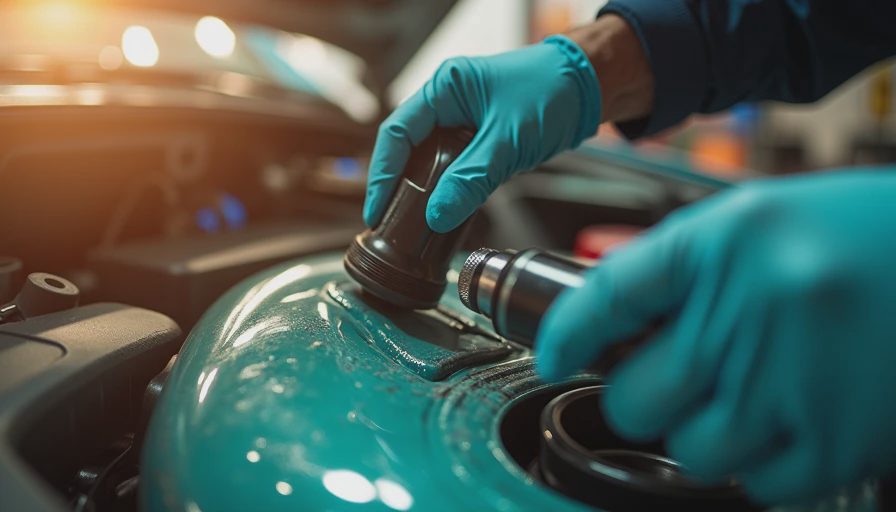
Start with a cold vehicle parked level. Check both the radiator or engine reservoir and the hybrid-system reservoir if your model has one. Look for fluid at the proper marks, not just "some coolant in there." Coolant should be clean and bright, not rusty, oily, or full of debris. Inspect hoses for swelling, crusting near clamps, and white or pink residue that shows seepage.
Next, look for flow where the design allows it. On many Toyota hybrids, for example, you can observe movement in the inverter coolant reservoir with the system in READY mode, which helps confirm pump circulation. No visible movement does not always condemn a pump, but it is a useful clue. Listen for electric coolant pumps that sound rough or inconsistent. Check the radiator fins for blockage from bugs, leaves, or road grime. Poor airflow can mimic bigger problems.
Pay attention to warning signs during driving too: temperature gauge movement above normal, cabin heat that fades at idle, cooling fans running hard for long periods, or hybrid warning messages. Those are all reasons to stop diagnosing casually and get more precise.
Basic service steps for a coolant exchange
If your maintenance schedule calls for coolant replacement, follow the factory interval and bleed procedure. That matters on hybrids more than on many older gas vehicles. Some systems trap air easily, and trapped air can cause overheating or poor circulation through the inverter loop.
**Safety First:** Cool engine only. Support the vehicle correctly if you need underbody access. Never rely on a jack alone; use jack stands on solid ground.
A typical process is simple in principle: drain the old coolant, close drains, refill with the exact specified coolant, and bleed air out thoroughly. But the details matter. Some hybrids need the cabin heat set a certain way. Some require the vehicle in READY mode to run an electric pump. Some need a scan tool command for proper bleed. If your service manual calls for one, do not skip it.
Drain plugs and bleeder screws vary by model, so always use the vehicle spec. Small bleeder screws are often only around 20 to 35 in-lb, while larger drain plugs may be closer to 15 to 30 ft-lb. Over-tightening a plastic tank fitting is a classic DIY mistake. If you cannot verify the torque spec, stop and look it up before turning the wrench.

When to stop and call a pro
There is a line between routine **hybrid car cooling system maintenance** and actual hybrid diagnosis. If the coolant level keeps dropping, if you see contamination, or if the vehicle stores overheating or inverter-related codes, you are past the "top it off and monitor it" stage. The same goes for electric pump failures, repeated air-lock issues, or signs of head gasket trouble like exhaust smell in the reservoir or chronic bubbling.
This is also where a good independent hybrid shop earns its money. A pressure test, scan-tool data check, and proper bleed can save a lot of guessing. Shops that regularly service Toyota Prius, Ford Escape Hybrid, or Hyundai hybrid models usually know the common pump and bleed issues. Expect diagnostic time plus service, but that is still cheaper than cooking an inverter because the wrong coolant was used or air was left in the loop.
If you want the short version, here it is: inspect levels regularly, use only the specified coolant, keep the radiator and reservoirs clean, and respect the bleed procedure. Done right, **hybrid car cooling system maintenance** is one of the best ways to avoid costly heat-related failures and keep fuel economy steady. You can do this. Here's the safe, right way.
Comments
No comments yet — be the first to share a thought.