How to Build and Maintain a Caterpillar Pickup Truck: A DIY Guide
Learn how to build and maintain a caterpillar pickup truck with this DIY guide. Get safety tips, torque specs, and tool checklists from an ASE Master...
You've seen the videos: a monster truck with giant tires, a suspension that flexes like a rock crawler, and a grille that screams industrial strength. That's the allure of a caterpillar pickup truck. But building one isn't just bolting on big parts—it's a serious project that demands precision, safety, and the right tools. I'm Dave Krueger, ASE Master Technician, and I've seen too many builds go wrong because someone skipped the planning. In this guide, I'll walk you through the key steps to create a caterpillar pickup truck that's both capable and safe.
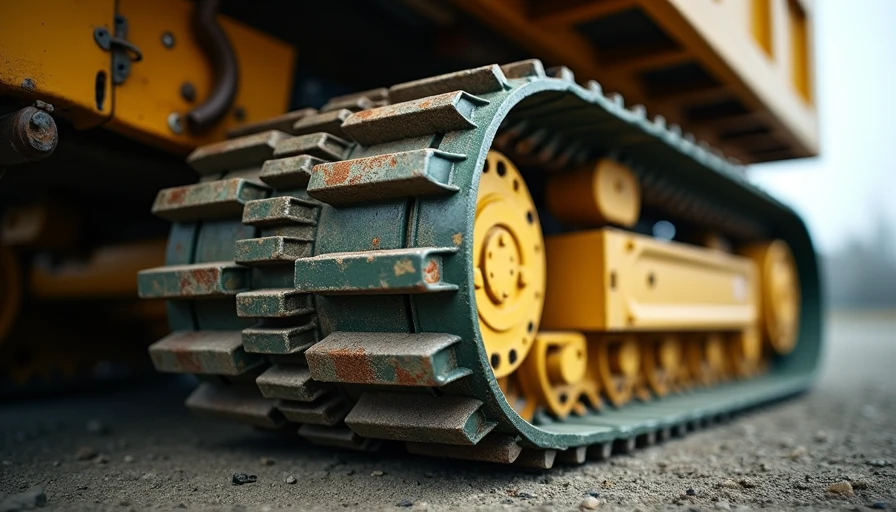
Why Build a Caterpillar Pickup Truck?
A caterpillar pickup truck isn't a factory model—it's a custom build inspired by Caterpillar's heavy equipment. Think massive off-road tires, extreme ground clearance, and a drivetrain that can handle mud, rocks, and sand. These trucks are popular for off-road enthusiasts and overlanders who need serious traction. Building one lets you tailor every component to your needs, but it also introduces complexity. Safety First: Never attempt this build without a solid mechanical background or a mentor. I've seen frames crack from poor welding and suspensions fail because torque specs were ignored.
Key Components for a Caterpillar-Inspired Build
Tool Check: Before starting, you'll need a heavy-duty welder, a torque wrench (ft-lb and in-lb capable), a hydraulic press, and a full set of sockets up to 1-1/2 inches. Here are the critical parts:
- **Frame and Suspension**: A stock half-ton frame won't cut it. You'll need a heavy-duty frame from a 3/4-ton or 1-ton truck, or a custom-fabricated frame with boxed sections. Suspension should be solid-axle front and rear, with leaf springs rated for the extra weight of big tires. I recommend using a Dana 60 or similar axle.
- **Tires and Wheels**: The signature look of a caterpillar pickup truck comes from massive tires—typically 42 to 54 inches in diameter. But bigger isn't always better. You must regear your differentials to compensate. For 44-inch tires, a 5.38:1 gear ratio is common. Torque to spec: differential bolts should be torqued to 80-90 ft-lb depending on the axle.
- **Drivetrain**: Expect to upgrade the transfer case, driveshafts, and u-joints. A twin-stick transfer case gives you better control in tricky terrain. Use 1350-series u-joints and chromoly driveshafts to handle the torque.
- **Brakes**: Oversized tires require massive braking power. I recommend hydroboost brakes from a diesel truck, or a hydraulic brake system from a medium-duty vehicle. Never use stock brakes on a caterpillar pickup truck—they won't stop you safely.
Safety First: What to Watch For
Here's what I see go wrong most often: overheating. When you mount huge tires, the engine works harder. Keep an eye on cooling system capacity. Upgrade to a four-core radiator and add an auxiliary transmission cooler. Another common mistake is improper steering geometry. Big tires put stress on steering components. Use a high-steer kit to keep the drag link out of harm's way, and always check for clearance at full lock.
Also, measure your driveline angles. A suspension lift without correcting pinion angles will vibrate and destroy u-joints. Use adjustable control arms and set pinion angles so the driveline runs within 1-2 degrees of the yoke.
Check your welding. If you're fabricating mounts or brackets, use 3/16-inch steel minimum, and weld with 7018 rod or ER70S-6 wire. Never rely on a flux-core welder for critical suspension parts.
Torque Specs and Maintenance Tips
Every fastener on a caterpillar pickup truck matters. I keep a torque spec chart in my garage. Here are typical values:
- Wheel lug nuts: 140-160 ft-lb (check lug type, never exceed 180 ft-lb on steel wheels)
- Control arm bolts: 150-180 ft-lb (use thread locker)
- Leaf spring U-bolts: 100-120 ft-lb (re-torque after 100 miles)
- Differential bolts: 80-90 ft-lb
Maintenance intervals are shorter with extreme tires. Rotate tires every 3,000 miles, and check wheel bearings every oil change. Use synthetic gear oil in diffs and transfer case. And always, always park on level ground when working under the truck—use jack stands rated for the vehicle's gross weight.
If this project feels overwhelming, that's okay. A caterpillar pickup truck is a serious build. I've had to call in friends to help balance drivelines and align suspension. You can do this, but give yourself time and ask for help when needed.
Budget and Prep: What You Need Before You Start
Before you buy a single part, set your budget. A caterpillar pickup truck build can cost anywhere from $15,000 to $40,000 depending on the donor truck and parts quality. Start with a solid base—look for a 3/4-ton or 1-ton truck with a good frame and minimal rust. A running donor with a reliable V8 or diesel engine saves thousands. Set aside 20% of your budget for unexpected repairs. I've seen builds stall because someone blew the budget on wheels and forgot about regearing or brake upgrades. Also, factor in a few hundred dollars for safety gear: a fire extinguisher, jack stands, and a first-aid kit. Planning ahead keeps you safe and your project on track.
Final Thoughts
Building a caterpillar pickup truck is rewarding—you'll have a vehicle that can go almost anywhere. But safety must come first. Invest in quality parts, follow torque specs, and never rush a weld. You can do this. Here's the safe, right way. If you want more details on any specific component, drop a comment below. I'll cover driveline balancing and brake upgrades in future posts.