How to Change Flat Tire: Step-by-Step Guide from an ASE Master Tech
Learn to change flat tire safely and correctly. This guide from an ASE Master Technician covers tool check, jack points, lug nut torque, and more. Be...
You're driving home, and suddenly that thumping—a flat tire. Knowing how to **change flat tire** yourself can save time, money, and a tow bill. I've changed thousands of tires in 22 years as a dealership technician, and I'll show you the safe, right way to do it. Every step matters, from finding a level spot to torquing the lug nuts to spec.
Safety First: Before You Start
Never attempt to **change flat tire** on a hill, soft shoulder, or busy road. Park on firm, level ground, engage the parking brake, and turn on your hazard lights. If you're on a highway shoulder with traffic whizzing by, call for professional roadside assistance unless you're well away from the travel lanes. Place wheel wedges (or large rocks) behind the wheel diagonally opposite the flat tire to prevent rolling.
Tool Check: What You'll Need
- Spare tire (check its air pressure monthly—most spares need 60 psi)
- Car jack (scissor or hydraulic—know your jack points)
- Lug wrench (often a cross-shape or a telescoping handle)
- Wheel wedges (or sturdy chocks)
- Flashlight with fresh batteries
- Optional: work gloves, knee pad, torque wrench
Step 1: Loosen the Lug Nuts While the Tire Is on the Ground
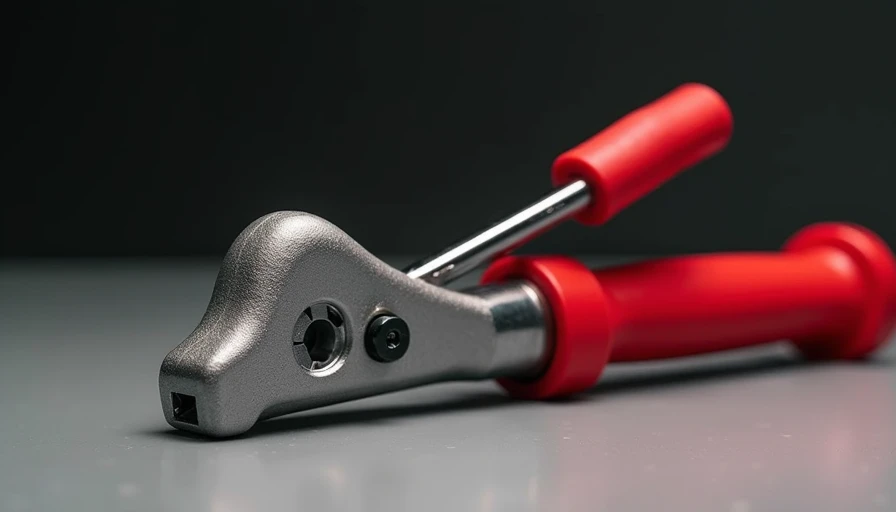
Here's what I see go wrong most often: people jack up the car first, then try to loosen tight lug nuts—the wheel spins, and you're stuck. When you need to **change flat tire**, always break the lug nuts loose before lifting. Use the lug wrench in a counterclockwise direction. If they're stubborn, use your body weight or slip a length of pipe over the wrench handle for extra leverage. Only loosen each nut about a quarter turn—do not remove them yet.
Step 2: Position the Jack Correctly
Every car has designated jack points—usually along the frame rail behind the front wheel or ahead of the rear wheel. Consult your owner's manual; some vehicles have a dedicated notch on the pinch weld. Placing the jack on the pinch weld without the proper adapter can damage the rocker panel. Raise the car until the flat tire is about two inches off the ground. Never put any body part under the car while it's supported only by the jack—use jack stands if you need to be underneath.
Step 3: Remove the Flat Tire and Mount the Spare
Fully remove the loosened lug nuts and place them in a clean spot (like your pocket or a magnetic tray). Pull the flat tire straight off the hub. Align the spare tire's holes with the wheel studs, push it on as far as you can by hand, then thread the lug nuts on finger-tight in a star pattern to keep the wheel centered.
Step 4: Lower the Car and Torque the Lug Nuts
Lower the car until the spare touches the ground but doesn't bear full weight. Then use the lug wrench to tighten the lug nuts in a star pattern as much as you can. After you **change flat tire**, the final torque should be 80–100 ft-lb for most passenger cars (check your owner's manual). If you don't have a torque wrench, tighten firmly with the wrench, then drive slowly (under 30 mph) to the nearest shop for final torquing. Over-tightening can warp brake rotors, and under-tightening can cause the wheel to come loose.
Step 5: Stow the Flat Tire and Check Spare Pressure
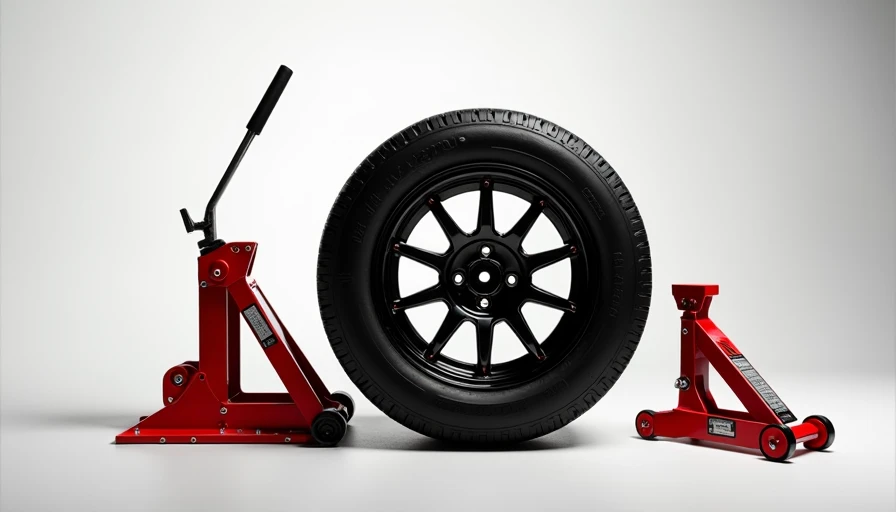
Put the flat tire in the trunk or cargo area. If it's a full-size spare, you may have limited trunk space. Don't forget to retrieve your wheel wedges. Drive cautiously—if your spare is a compact "donut" tire, it's rated for temporary use only. Maximum speed is 50 mph, and you should replace it with a proper tire as soon as possible. Before you drive, verify the spare's pressure with a tire gauge; many factory spares are underinflated from sitting.
When to Call a Pro Instead of Trying to Change Flat Tire Yourself
- On a narrow highway shoulder without a safe pull-off area
- On a steep incline or soft ground (like gravel or mud)
- If your car has run-flat tires (no spare included) or you don't have a working jack/lug wrench
- If you have a physical limitation that makes bending or lifting difficult
- In extreme weather (heavy rain, snow, or heat)
In those cases, call roadside assistance or a mobile tire service. Your safety is more important than saving a few dollars.
Final Thoughts
Knowing how to **change flat tire** is a basic skill every driver should have. Practice it once in your driveway so you're familiar with your jack points and tool locations. Carry a good spare, a torque wrench, and a tire gauge. You can do this. Here's the safe, right way.