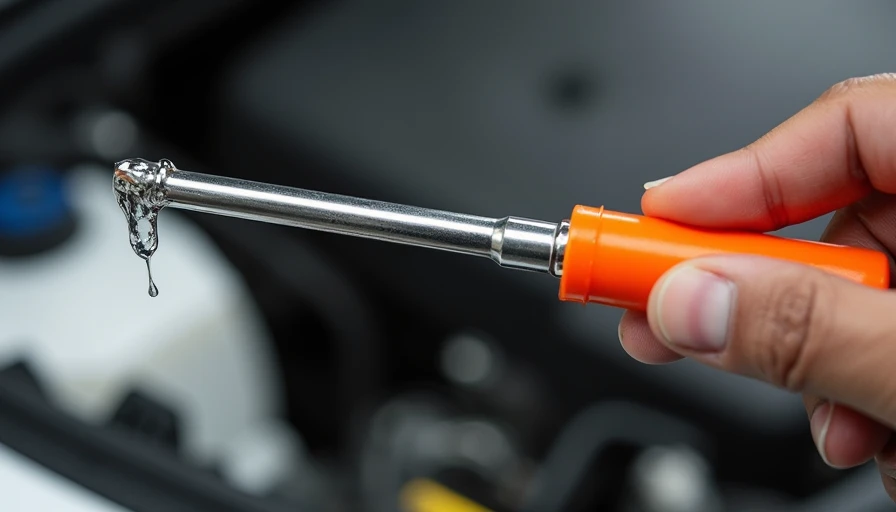
Do Hybrid Cars Need Oil Changes? Yes — Here's the Safe, Right Way
Do hybrid cars need oil changes? Yes, and skipping them leads to costly engine damage. Here's how often to change hybrid oil and which exact grade to use.
If you've been wondering, do hybrid cars need oil changes? The short answer is yes. Every hybrid on the road still has a gasoline engine under the hood, and that engine needs clean oil just like any other. The electric motor and battery pack change how often the engine runs, but they don't remove the need for lubrication. I spent 22 years in dealership service, and the most common hybrid repair I saw was engine damage caused by neglected oil changes. You can do this. Here's the safe, right way.
Why This Question Makes Sense
It's a fair question because a hybrid often runs on battery power alone. At a stoplight, the gas engine in a Toyota Prius or Honda CR-V Hybrid can shut off completely. That makes some owners think the engine isn't doing enough work to dirty the oil. But the engine still fires up under acceleration, on the highway, and whenever the battery needs a charge. Every cold start dumps unburned fuel into the oil, and every short trip lets moisture build up in the crankcase. Those contaminants break down the oil just as they would in a regular car. So the real issue is not whether to change it, but when.
Here's what I see go wrong most often. A driver buys a used Prius with 80,000 miles and trusts the oil life monitor's 6,000-mile reading. But the previous owner only drove three miles to work and back. The monitor may not have caught that, or it may have been reset improperly. I've pulled oil out of hybrids that looked like used motor oil from a diesel truck, with sludge already forming on the valve cover. Hybrid engines may work less, but they don't work cleaner.
What a Hybrid Oil Change Actually Involves
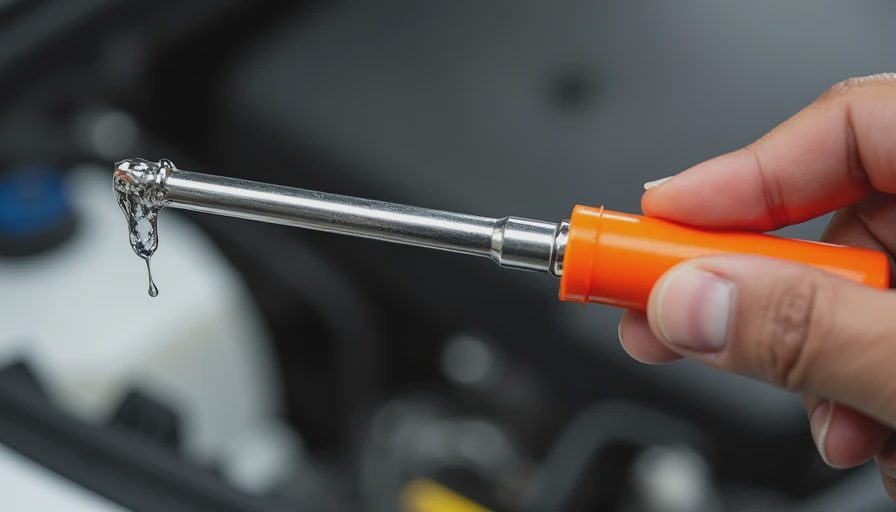
The procedure is the same as a regular oil change: drain, replace the filter, refill. The difference is the oil. Many modern hybrids specify a thin full synthetic like 0W-16 or 0W-20. The Atkinson-cycle engine has tight clearances, so the oil has to flow fast on cold starts. Don't assume 5W-30 works just because it's in your garage. The oil filter is often a cartridge mounted on top of the engine, which makes the job cleaner. Some hybrids, like the Toyota RAV4 Hybrid, tuck the filter under a plastic cover, but a filter cap and ratchet reach it easily. If you're doing the work yourself, use jack stands, never just the scissor jack.
How Often Should You Change Hybrid Oil?
The honest answer to do hybrid cars need oil changes is tied to your driving habits, not just the odometer. Most modern owner's manuals list 7,500 to 10,000 miles under normal driving. That sounds generous, but severe service is the default for many drivers. Short trips, extreme heat or cold, heavy stop-and-go traffic, and long hill climbs all count as severe, dropping the interval to around 5,000 miles. The oil life monitor is your best guide because it tracks engine starts, operating temperature, and driving patterns. Follow it, but don't reset it out of habit. If you just bought a used hybrid with unknown history, change the oil the day you bring it home and record the date, mileage, and oil type.
What Happens If You Skip a Hybrid Oil Change?
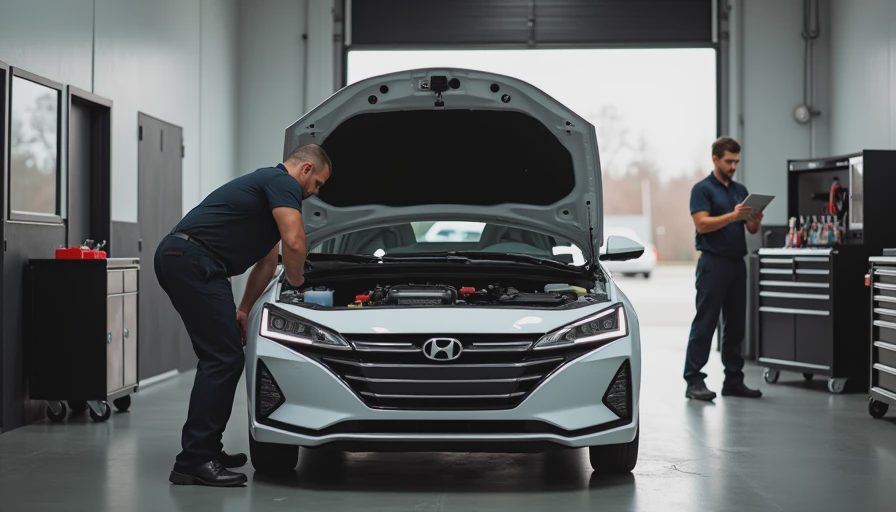
So do hybrid cars need oil changes less often than conventional cars? The answer is no. The gas engine in a hybrid is usually an Atkinson-cycle engine that runs at higher rpm and generates more heat under load. Old oil loses its ability to protect bearings and valve trains. The first sign is often a ticking noise on a cold start. Left long enough, sludge can clog oil passages, and the engine can fail with a thrown rod or seized camshaft. The battery and electric motor are usually fine, but the repair bill is five figures when the engine needs replacement. A $60 oil change once a year is far cheaper than a $5,000 used engine, never mind labor.
Safety First: If You're Doing It Yourself
Safety First: never go under a car supported by a jack alone. Use properly rated jack stands on level ground and chock the rear wheels. Tool Check: you'll want a socket set, an oil filter cap, a drain pan, a funnel, rags, and a torque wrench. Before you drain, run the engine until it reaches operating temperature, then let it sit a few minutes so the oil drains fast. When you reinstall the drain plug, torque it to spec. For most hybrids that's between 25 and 35 foot-pounds, but check the manual. Torque to spec, and yes, the spec matters. Overtightening strips the threads; undertightening causes a leak. If you're not comfortable under the car, take it to a shop. The important thing is that the oil gets changed on time.
The Bottom Line: Yes, On Schedule, With the Right Oil
So let's settle the question of do hybrid cars need oil changes with a clear answer: yes, on schedule, with the correct oil. The hybrid powertrain doesn't forgive neglect; it just hides the problem until the engine complains. Pay attention to the oil life monitor, stick with full synthetic in the recommended grade, and keep a simple maintenance log. If your hybrid is new to you, start with a fresh oil change and a clean filter. That one step protects the engine, maintains resale value, and gives you peace of mind. You can do this. Here's the safe, right way.
Comments
No comments yet — be the first to share a thought.