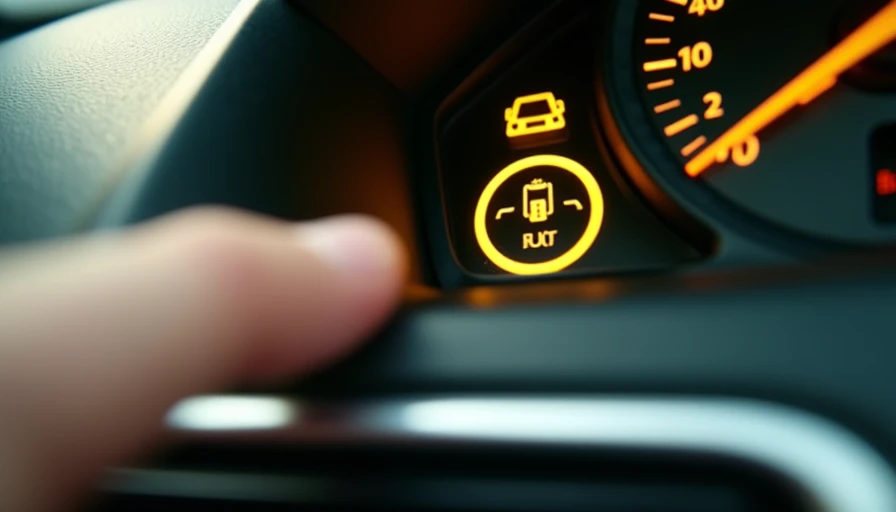
Engine Auto Stop-Start Feature: How It Works and When to Worry
Learn how the engine auto stop-start feature works, when it saves fuel, why it feels strange, and how to diagnose battery and warning lights safely.
Many drivers think the engine is stalling when the engine auto stop-start feature shuts it off at a red light. That is usually a normal operating event, not an immediate engine failure. I have seen plenty of owners pull into a service bay worried about a dead starter, only to find the vehicle working exactly as designed. The system stops the engine when conditions are suitable, then restarts it when you release the brake or press the accelerator.
The goal is to reduce fuel burned while idling. A vehicle sitting for 60 seconds at a traffic light is not moving, but a conventional engine continues consuming fuel. The system eliminates some of that waste. You can do this. Here's the safe, right way to understand what the feature is doing, recognize abnormal behavior, and avoid replacing expensive parts unnecessarily.
What the engine auto stop-start feature actually does
The system uses information from several sensors and control modules. It watches vehicle speed, brake-pedal position, engine temperature, battery state of charge, cabin temperature, outside temperature, steering input, and sometimes road grade. When those inputs meet the manufacturer's conditions, the computer turns the engine off. The transmission remains engaged or ready to move, and electrical accessories continue operating from the battery.
When you lift your foot from the brake, the engine auto stop-start feature commands a restart. On some vehicles, a mild-hybrid starter-generator performs the restart. On others, a reinforced starter motor and a battery designed for frequent cycling do the work. The restart should be quick and controlled, although you may feel a small vibration through the steering wheel or seat.
The system does not activate every time you stop. A cold engine, a weak battery, heavy defroster use, a steep hill, an open hood, or a recent diagnostic fault can prevent operation. That is intentional. The computer would rather keep the engine running than risk a no-start condition or poor windshield visibility.
Why the system sometimes stays off
A common mistake is assuming the feature is broken because the engine does not shut down on every trip. In reality, the engine auto stop-start feature is conservative. If the battery has been working hard to power heated seats, a rear defroster, headlights, and the blower motor, the system may pause to preserve starting power.
Short trips are another reason. If you drive two miles to the store in cold Minneapolis weather, the engine may never reach the temperature needed for an automatic stop. The air conditioner can also keep the engine running when the cabin needs maximum cooling. Turning the steering wheel sharply, parking on a steep incline, or using a trailer can change the system's decision as well.
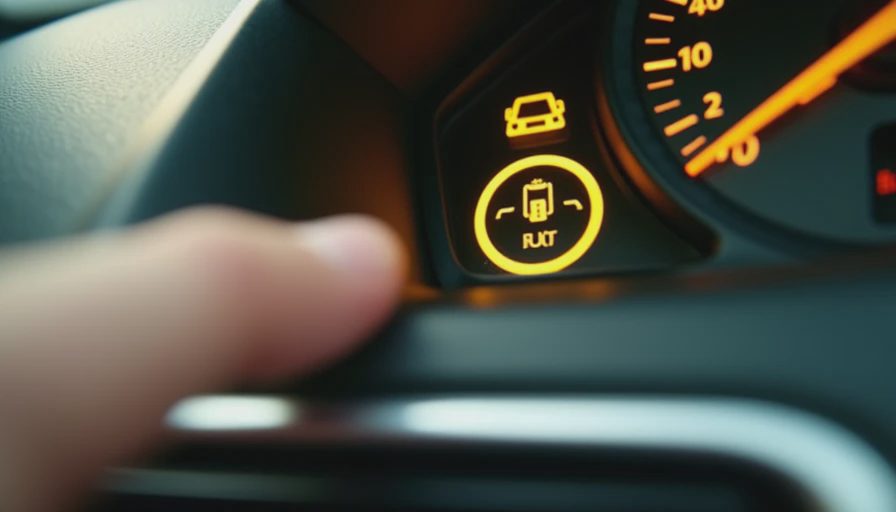
Look for a dashboard message such as “Stop/Start Unavailable,” “Battery Charging,” or a crossed-out A symbol. One message after a cold night is not necessarily a repair emergency. A persistent warning, difficult starting, dimming lights, or repeated slow cranking deserves diagnosis before the battery leaves you stranded.
Battery health is usually the first checkpoint
The engine auto stop-start feature places more demands on the vehicle's battery than ordinary driving does. Many equipped vehicles use an AGM battery or another enhanced flooded battery rather than a basic conventional battery. Installing the cheapest battery that fits the tray can lead to poor performance, premature failure, and repeated warning messages.
A proper diagnosis begins with a visual inspection. Check for swollen battery cases, loose terminals, white or green corrosion, damaged cables, and a hold-down that allows the battery to move. Do not disconnect a battery casually on a modern vehicle; memory settings, charging strategy, and battery-monitor calibration can be affected.
Tool Check: A digital multimeter, battery conductance tester, safety glasses, insulated gloves, and the vehicle service information are the right starting tools. A basic voltage reading is useful, but it does not prove the battery can deliver starting current. A battery can show approximately 12.6 volts at rest and still fail a load or conductance test.
Safety First: Keep sparks, cigarettes, and open flames away from the battery. If the battery case is swollen or leaking, stop and arrange professional service. Battery replacement torque is not universal; follow the vehicle's service manual for terminal and hold-down specifications. Torque to spec, and yes, the spec matters.

Is the engine auto stop-start feature bad for the starter?
The short answer is that the vehicle is engineered for this duty. The starter, ring gear, battery, and control software are selected for repeated starts. That does not mean those parts last forever, but normal operation does not automatically damage them. A starter replacement can cost roughly $400 to $1,000 installed, while an AGM battery commonly costs about $180 to $350 depending on size and vehicle access.
The important distinction is between normal restarts and harsh symptoms. A clean restart with a brief, even vibration is expected. Grinding, a delayed crank, repeated clicking, a metallic clunk, or a restart that feels like the engine nearly fails to catch is not something to ignore. Those signs can point to a weak battery, starter wear, poor cable connection, software trouble, or an engine problem unrelated to the stop-start system.
Do not repeatedly press the start button or disconnect random sensors to defeat a symptom. That can create additional fault codes and remove safety-related battery monitoring. If the engine stalls while driving, the check-engine light flashes, or the vehicle cannot restart promptly, move to a safe location and call for assistance.
Can you turn the feature off?
Many vehicles include a dashboard button with an A inside a circular arrow. Pressing it can disable the system for the current drive, but the setting often resets when the ignition is cycled. Some automakers provide a menu setting, while others do not offer a permanent factory switch. The owner's manual is the correct source because controls differ by model year.
I do not recommend pulling a fuse, installing a defeat device, or fitting an incorrect battery just to keep the engine running at stops. Those shortcuts can interfere with charging control, emissions systems, warranty coverage, or other vehicle functions. If the restart vibration bothers you, have the battery state, engine mounts, software updates, and starter operation checked instead of masking the cause.
A practical inspection plan
Start by recording when the engine auto stop-start feature refuses to activate. Note outside temperature, trip length, HVAC settings, warning messages, and whether the engine was fully warm. Next, inspect the battery and terminals without disconnecting anything. If the vehicle has an accessible battery-monitor sensor, do not damage or bypass it.
Have the battery tested with equipment suited to its type, then scan all relevant modules for stored and pending codes. A basic code reader may not access the body, battery, or hybrid-control modules. After a new battery is installed, some vehicles require battery registration or monitoring-system reset. Skipping that step can cause incorrect charging and another early failure.
The engine auto stop-start feature is useful when it operates quietly and predictably, but it is not more important than reliable starting or clear visibility. Learn its normal behavior, maintain the correct battery, and treat unusual noises or warning messages as diagnostic clues. When the test results point to high-voltage hybrid equipment, damaged wiring, or a no-start condition, stop and call a qualified professional.
Comments
No comments yet — be the first to share a thought.