ENGINE FLUSH - WHAT IS IT AND SHOULD YOU USE IT?
As engines operate over time, dirt, debris, and various contaminants gradually build up inside, reducing efficiency and placing extra stress on internal components. Neglecting engine cleanliness and proper maintenance can trigger a host of performance issues — among them decreased power output, diminished fuel economy, and in the worst cases, catastrophic engine failure that comes with a hefty price tag.
Among the most critical elements of engine upkeep is the engine flush. By clearing harmful deposits from the engine, it helps keep everything running smoothly — which can extend engine lifespan and lower the likelihood of costly repairs further down the line. A cleaner engine also operates more efficiently, translating to improved fuel economy and a meaningful drop in emissions.
What exactly is an engine flush? What advantages does it offer, and how is the process carried out? This concise guide addresses each of those questions.
An engine flush is a procedure designed to clean the interior of an engine. The process involves removing old oil together with any accumulated debris or deposits, ultimately improving the engine's overall health and performance.
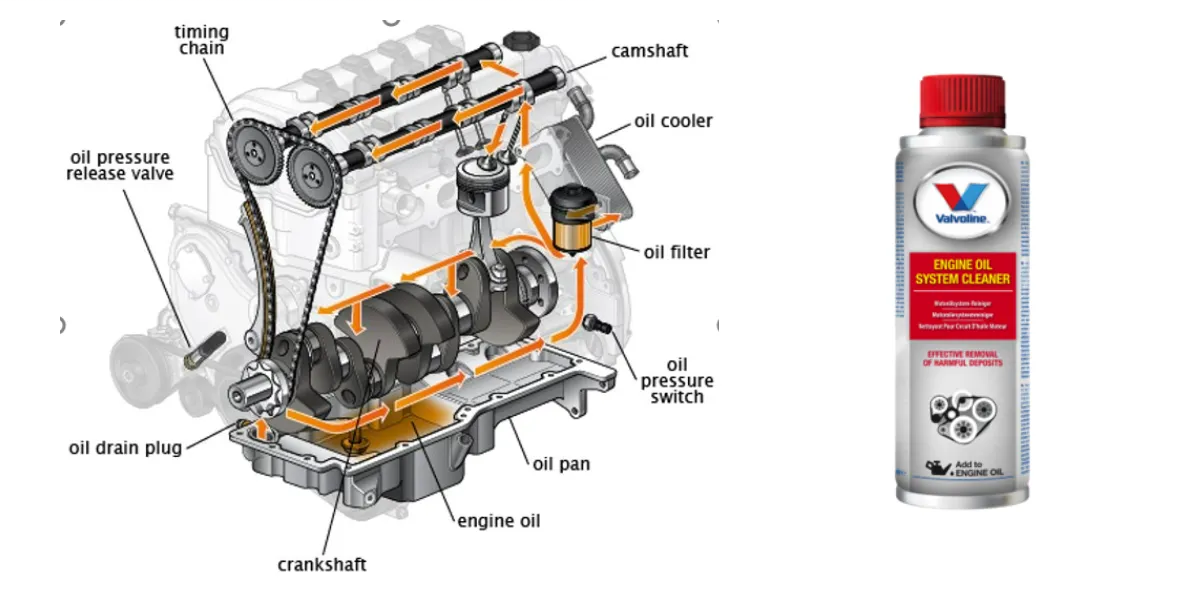
Engine flushes are generally carried out with the help of a cleaning solution that is introduced into the engine oil and then circulated throughout the engine to dislodge deposits. Valvoline Engine Oil System Cleaner, for instance, is a premium cleaning product formulated from the highest-quality ingredients. It eliminates contaminants and disperses sludge and soluble dirt in both diesel and petrol engines. Key characteristics include low viscosity, outstanding cleaning performance, and — most notably — universal application. Applied at every oil change, it delivers optimum engine performance.
Following the cleaning cycle, the contaminated oil is drained out and the engine is refilled with fresh oil.
The engine flush is a multi-step procedure that involves the following stages:
Always adhere to the manufacturer's recommendations when carrying out an engine flush. Begin by choosing a dependable, high-performing oil system cleaner suited to your engine type. If you remain uncertain about how to proceed, seeking advice from a qualified mechanic is the best course of action.
Performing an engine flush delivers a range of notable advantages, including:
Routine engine flushes offer wide-ranging benefits. They improve overall engine performance and extend its operational lifespan, while also helping to reduce engine wear and tear, boost fuel efficiency, and lower the risk of expensive repair bills.
Have additional questions about the engine flush? The team at Valvoline is here to help — don't hesitate to reach out to us.
Comments
No comments yet — be the first to share a thought.