Seasonal Maintenance Prevents Costly Breakdowns: A Mechanic’s Guide to Year-Round Care
Seasonal Maintenance Prevents Costly Breakdowns: A Mechanic’s Guide to Year-Round Care
Here's what I see go wrong most often: owners wait for a warning light or a strange noise before checking their vehicle, assuming seasonal maintenance is just a dealership upsell. In my 22 years at dealership service departments, I can tell you that timing your inspections around the calendar isn’t about chasing sales—it’s about matching your maintenance to the environmental stress your car actually faces. You can do this yourself. Here’s how to do it right.
Why This Matters
Skipping seasonal checks doesn’t just leave you stranded; it accelerates wear on components that are already fighting temperature extremes. Winter’s cold saps battery cranking amps, summer’s heat degrades coolant and stresses cooling system hoses, and constant thermal cycling (the repeated expansion and contraction of metal and rubber) cracks seals and warps rotors. Addressing these issues on schedule prevents catastrophic failures, overheating breakdowns, and tire blowouts. More importantly, it keeps your brakes, defroster, and lighting systems reliable when weather turns treacherous.
What You Need to Know
Your vehicle’s service manual dictates exact fluid types, part numbers, and torque specifications, but the seasonal focus areas remain consistent. You’ll be checking battery state-of-charge, tire tread depth and pressure, fluid viscosity (how thick the oil or coolant is at a given temperature), cooling system integrity, A/C refrigerant lines, brake pad thickness, and fuel system moisture. Never guess fluid types or torque values; always verify them against the factory specifications for your exact model year. Using the wrong coolant can cause electrolysis that eats aluminum radiators, while incorrect wheel lug torque leads to warped rotors or sheared studs.
How It Works
Before you lift a wrench, review these essentials:
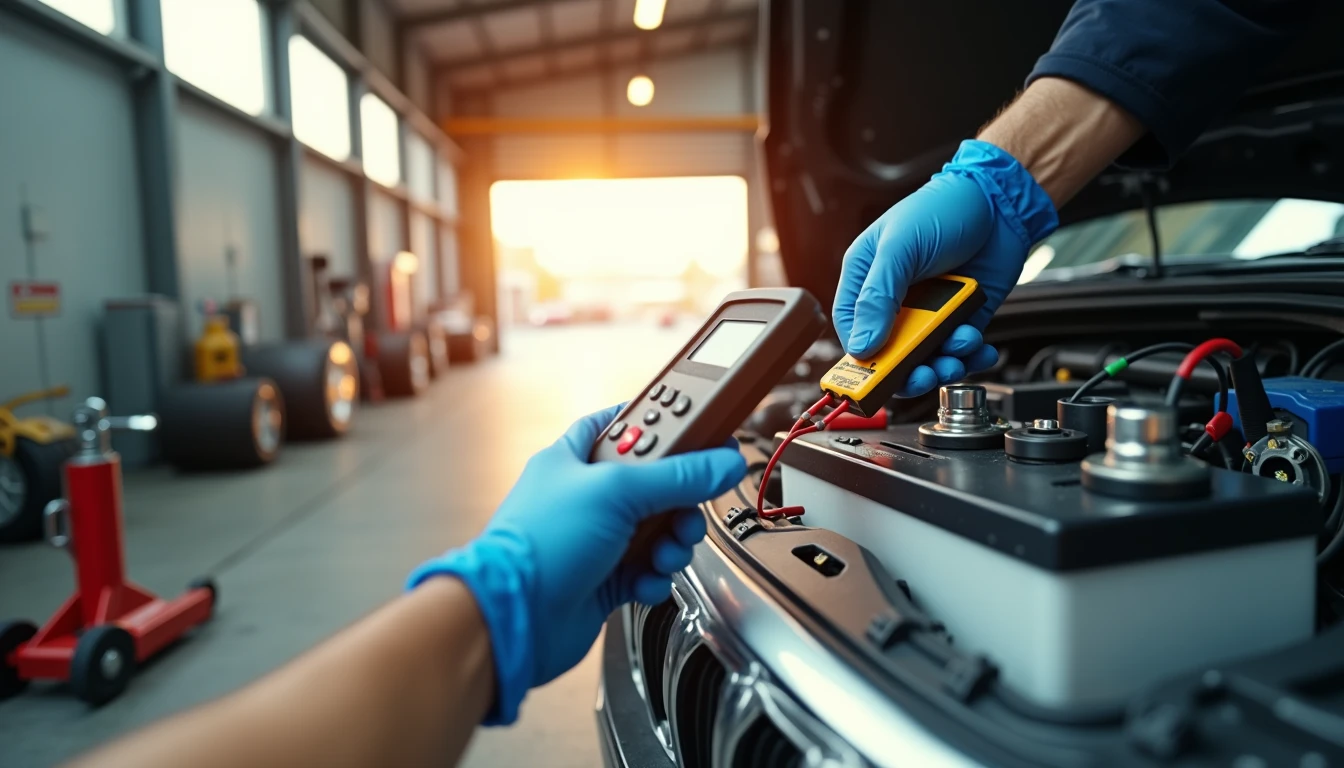
Tool Check: Floor jack and jack stands (rated for your vehicle weight), lug wrench, digital multimeter, tire pressure gauge, torque wrench, funnel set, safety glasses, nitrile gloves, and your owner’s manual.
Safety First: Never work under a vehicle supported only by a hydraulic jack. Always use rated jack stands on level, solid ground. Allow the engine and cooling system to cool completely before opening the radiator cap—pressurized hot coolant causes severe burns. Always torque fasteners to your vehicle manufacturer’s exact specification—never guess, and never rely on generic charts.
*Spring Focus:* Cold weather weakens battery plates. Perform a load test to verify cranking capacity. Inspect tires for winter-induced uneven wear, check pressure against the door jamb sticker, and rotate them to promote even tread wear. Top off windshield washer fluid and verify antifreeze concentration with a refractometer or hydrometer.
Pro Tip: Warm the engine for five minutes before checking fluids. Cold fluid doesn’t drain or circulate fully, giving you a false low reading.
*Summer Focus:* Heat pushes cooling systems to their limit. Inspect radiator hoses for soft spots or cracks, and verify coolant level and condition. Test the A/C system for proper cooling output and visible refrigerant leaks. Examine tires for sidewall bulges or heat-induced cracking, which drastically increase blowout risk.
Pro Tip: Check tire pressure when tires are cold. Driving heats the air inside, artificially inflating the reading and masking underinflation.
*Fall Focus:* Prepare for freezing temps. Re-test the battery, as cold dramatically reduces available cranking amps. If your area sees heavy snow, swap to dedicated winter tires for superior ice traction. Perform a thorough brake inspection—check pad thickness, rotor condition, and brake fluid moisture content.
Pro Tip: Keep your fuel tank at least half-full in winter. Condensation forms in empty tank space, and that water can freeze in the fuel lines, starving the engine.
Common Mistakes
Despite what online forums claim, you absolutely can overfill your oil or coolant. Overfilling creates excessive crankcase pressure that blows seals, or causes coolant to overflow and short-circuit engine bay wiring. Another myth is that tires only need replacing when the tread wears down. Heat and age cause rubber to harden and crack regardless of tread depth. Finally, never skip a proper brake fluid flush. Brake fluid is hygroscopic (it absorbs moisture from the air), and contaminated fluid boils under hard braking, causing complete pedal failure.
Bottom Line
Seasonal maintenance isn’t about memorizing complex procedures; it’s about consistent, methodical inspections timed to weather changes. Follow the factory service intervals, verify all torque specs and fluid types for your specific vehicle, and prioritize safety over speed. If a system feels off or you lack the proper tools, hand it to a certified technician. Your car will reward you with reliability, safety, and thousands in avoided repairs.
Comments
No comments yet — be the first to share a thought.