THE JOURNEY OF AUTOMOTIVE LUBRICANTS: FROM ORIGINS TO TOMORROW
From rudimentary oils to complex synthetic compounds, lubricants have undergone a remarkable transformation within the constantly shifting world of automobile technology. Just as engines themselves have changed, so too have the fluids responsible for keeping them running efficiently. As vehicles transitioned from bulky, smoke-producing contraptions into the refined, high-performing machines we encounter on today's roads, lubricants were compelled to match that pace of innovation. The story of automotive lubrication—spanning from the earliest applications of crude oils through to the current age of sophisticated synthetics—is one of technological advancement, deeply interwoven with the broader history of vehicle development.
This piece will trace the extraordinary transformation of engine oil, illuminating how this indispensable fluid has adapted and improved alongside progress in vehicle engineering. We will explore these critical fluids across three timeframes—their origins, their current state, and their projected future—while examining how each era has reshaped them to satisfy the demands of increasingly advanced engine technologies. Join us as we unpack the compelling evolution of automotive lubricants and consider their essential contribution to vehicle performance and innovation.
The function of automotive lubricants reaches well beyond simply oiling an engine. These essential fluids serve a central role in preserving engine health, boosting performance, and supporting broader goals of environmental sustainability.
When it comes to engine longevity, lubricants are often the overlooked contributors. By minimizing friction between components in motion, they substantially cut down on wear and tear, effectively prolonging the working life of an engine. Beyond this, lubricants are instrumental in fending off internal corrosion and curbing the accumulation of damaging deposits. This defensive layer is fundamental to preserving engine integrity across years of use, making lubricants an irreplaceable element of any maintenance regimen.
In pursuit of peak engine performance, lubricants occupy a central position. Advanced formulations help engines run cleanly and consistently, preventing the build-up of sludge and deposits that would otherwise compromise output. By keeping engines clean and properly lubricated, these fluids support steady power delivery and operational efficiency—qualities that are non-negotiable in today's high-performance vehicles.
Lubricant development has had a measurable impact on fuel economy over the decades. Modern lubricant formulations are engineered specifically to cut down on energy losses caused by friction, translating directly into more efficient fuel consumption. In an era where energy efficiency is a defining priority, this improvement demonstrates how advances in lubricant chemistry feed into larger energy conservation efforts.
The environmental consequences of lubricants have come under increasing scrutiny in recent years. Responding to this attention, the industry developed lubricants that perform better while simultaneously reducing their ecological impact. These contemporary formulations are crafted to lower emissions and break down more readily in natural environments, placing them in alignment with worldwide sustainability goals and the push to shrink environmental footprints.
The steady march of lubricant technology highlights its foundational importance within automotive engineering. As engines and vehicles grow more advanced, the lubricants that sustain their performance evolve in parallel—demonstrating that these fluids are far more than friction reducers. They are an integral part of the ongoing pursuit of engine health, operational efficiency, and environmental accountability.
Tracing the heritage of automotive lubricants takes us on a journey into the past, revisiting the origins and defining milestones that have shaped this critical dimension of automotive engineering. Examining these pivotal moments reveals how early breakthroughs established the foundation for today's sophisticated lubricants and pointed the way toward future progress. Let us move through these historical chapters and piece together the narrative of automotive lubrication's evolution.
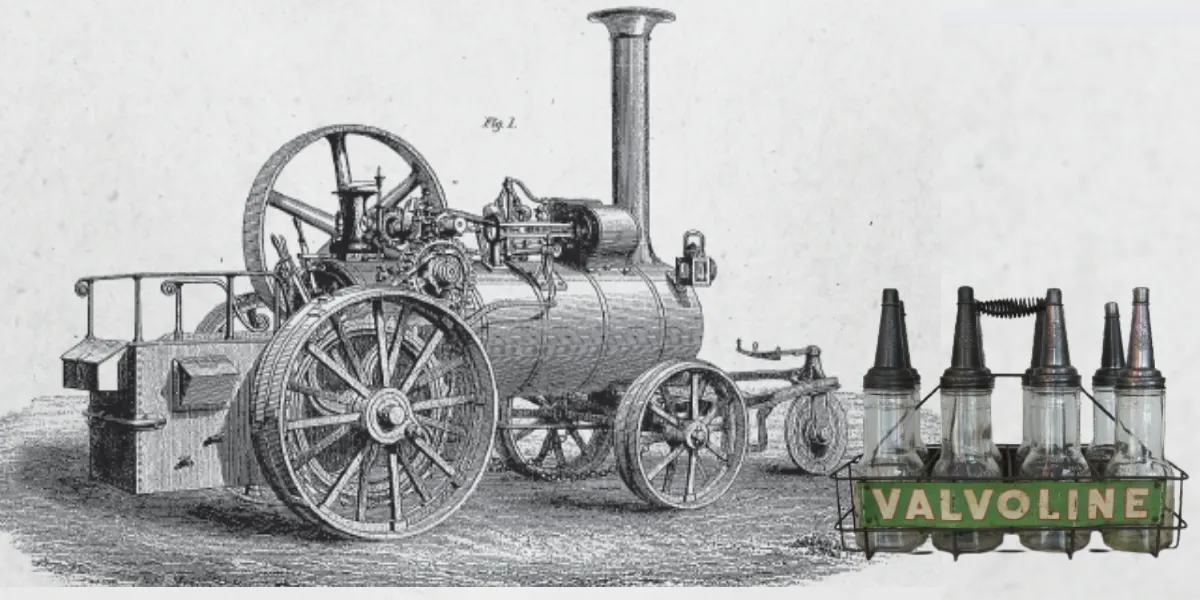
The origins of automotive lubricants can be traced to the final decades of the 19th century, coinciding with the emergence of the first combustion engines. Early engine oils were straightforward products, sourced mainly from crude oil, offering only fundamental lubrication. The central objective was to reduce friction and wear among the engine's moving components. During this formative period, companies such as Valvoline stepped forward as trailblazers, supplying lubricants that represented a notable improvement over the primitive greases and oils that had previously been used in mechanical equipment.
As engines grew in complexity and placed greater demands on their lubricants, the need for more capable solutions intensified. The creation of synthetic lubricants in the mid-20th century represented a pivotal shift in the industry. Compared to conventional mineral oils, these synthetic alternatives offered superior attributes—greater thermal stability, reduced susceptibility to oxidation, and improved performance under elevated temperatures. Valvoline was among the leaders driving this wave of innovation, introducing products that elevated engine life and efficiency while establishing new benchmarks for automotive care.
Over the course of the 20th century, the rapid pace of automotive development required lubricants to keep up with each new engineering achievement. The incorporation of additives—including detergents, dispersants, and anti-wear agents—represented landmark developments that further strengthened the performance and durability of engine oil. Valvoline consistently met these shifts head-on, offering product lines that addressed the changing requirements of both standard and high-performance engines. From fundamental motor oils to sophisticated multi-grade formulas, each stage in lubricant evolution represented a meaningful advance toward greater reliability, efficiency, and engine protection.
Turning attention to the present, we find lubricants operating at levels of sophistication and specialization previously unimaginable. Contemporary lubricants go beyond engine protection alone—they embody a convergence of advanced chemistry, environmental consciousness, and responsiveness to the latest developments in automotive design. In today's landscape, the standards of automotive care are being defined by breakthroughs in synthetic lubricants, purpose-built formulations for modern engine architectures, and environmentally responsible solutions. This section examines how current lubricant technology is meeting the needs of increasingly diverse and technologically complex vehicles, reflecting the industry's dedication to performance, sustainability, and forward-thinking innovation.
The current automotive landscape is characterized by striking progress in synthetic lubricants. Valvoline, drawing on its deep history of innovation, occupies a leading position in this advancement, offering an extensive lineup of premium synthetic products. These cutting-edge lubricants are engineered for superior engine protection, outstanding performance across extreme temperature ranges, and greater fuel efficiency—all while contributing to reduced emissions. This move toward advanced synthetic engine oil represents a major stride in automotive care, embodying Valvoline's enduring commitment to excellence and industry leadership.
The intricate demands of modern engines—particularly those found in hybrid and electric vehicles—call for lubricants that are not merely effective but precisely formulated to address their distinctive characteristics. Valvoline meets this challenge with a broad portfolio of products tailored to specific engine configurations. These specialized formulations deliver extended engine life and operational efficiency, yielding tangible benefits such as lower maintenance expenses, longer intervals between service visits, and consistently optimal performance. This degree of adaptability and precision reflects Valvoline's ongoing commitment to serving the needs of both conventional and hybrid vehicle owners.
In step with the global movement toward environmental responsibility, the development of eco-conscious and sustainable lubricants has become a central priority across the automotive industry. Valvoline's product range reflects this direction, striking a balance between high performance and environmentally aware formulation practices. These lubricants are designed to reduce ecological impact through the use of sustainable ingredients and a reduced carbon footprint across both production and application. In meeting and surpassing industry benchmarks for environmental safety, Valvoline affirms its dedication not only to advancing automotive technology but to protecting the natural world.
In a period when automotive technology is advancing at an accelerating pace, the lubricant industry finds itself in the midst of a meaningful transformation. The growing presence of hybrid and electric vehicles introduces both novel challenges and fresh opportunities for lubricant development. This section looks at how industry leaders such as Valvoline are reshaping their offerings to address the specific requirements of these contemporary vehicles, spotlighting the innovation and strategic vision underpinning this evolution.
The proliferation of hybrid vehicles has opened a new chapter for the lubricant industry, presenting both complications and possibilities. Hybrid cars, which couple conventional combustion engines with electric motors, require lubricants capable of performing reliably across both systems. Such lubricants must deliver strong engine protection while also safeguarding the longevity of electrical components. Companies including Valvoline are leading the effort to engineer lubricants that fulfill these specialized requirements, thereby improving the performance and durability of hybrid vehicles.
The growing adoption of electric vehicles (EVs) signals a profound shift in automotive technology. Electric cars present lubrication requirements that differ substantially from those of traditional vehicles, with priorities centered on gear systems and thermal management rather than conventional engine components. Lubricants developed for EVs are engineered to handle heat dissipation, facilitate smooth movement of mechanical parts, and offer protection against electrical conductivity issues. The creation of these purpose-designed lubricants is essential to supporting the expanding role of electric vehicles in the broader transportation landscape.
The automotive lubricant industry presses forward, propelled by a stream of emerging vehicle technologies. Forward-thinking companies like Valvoline are actively engaged in researching and engineering next-generation lubricants—products that not only address the current needs of hybrid and electric vehicles but are also designed with future automotive developments in mind. This sustained commitment to innovation ensures that lubricants will remain a cornerstone of the automotive world, continuously adapting to change and raising the bar for vehicle performance and environmental stewardship.
Looking ahead to the future of automotive lubricants, we find ourselves at the threshold of transformative possibilities. This section anticipates developments in synthetic technologies, the transition toward sustainable approaches, and the emergence of personalized, intelligent lubricants. These coming changes hold the potential to fundamentally reshape automotive lubrication in an era defined by rapid technological advancement and an intensifying focus on environmental sustainability.
The trajectory of automotive lubricants will likely be shaped significantly by continued progress in synthetic technologies. These developments will center on improving engine protection, boosting fuel efficiency, and reducing environmental impact. With companies such as Valvoline at the forefront, we can expect synthetic lubricants to achieve even greater levels of sophistication, delivering performance and protection capabilities that were previously out of reach—applicable to all engine types, including those in hybrid and electric vehicles.
As environmental concerns occupy an ever more prominent place in public and industrial consciousness, the lubricant sector is poised to place sustainability at the top of its agenda. Future lubricant formulations will likely incorporate biodegradable components and be engineered to minimize their carbon footprint throughout their lifecycle. Before long, industry leaders will be bringing these environmentally responsible solutions to market—products designed to protect both engines and the broader environment.
Peering further into the future, we may see the emergence of customized and 'smart' lubricants. These products will be individually tailored to the specifications of particular vehicles and may even possess the ability to adapt dynamically to shifting engine conditions in real time. Given Valvoline's long record of innovation, it is entirely plausible that the company will play a defining role in bringing these intelligent lubricants to life, fundamentally changing how we understand and utilize automotive lubrication.
The progression of automotive lubricants—from basic oils through to advanced synthetic solutions—captures a remarkable story of ingenuity and adaptation. Valvoline, sustained by its enduring dedication to excellence and a pioneering outlook, remains a central figure in this ongoing evolution. As the industry moves forward with sustainable, high-performance lubricants tailored for hybrid and electric vehicles, Valvoline's commitment to quality and environmental responsibility continues to set the benchmark, steering the automotive world toward a more efficient and sustainable future.
Valvoline stands as a symbol of innovation and dependability within the automotive lubricant industry. Since 1866, our unwavering pursuit of excellence has driven landmark achievements in engine and motor oil technology. Here is why Valvoline remains the preferred choice:
Comments
No comments yet — be the first to share a thought.