What Is Alcantara? Here's What Every Car Owner Should Know
What is Alcantara? It's the synthetic microfiber suede used in premium cars. Learn how to clean, protect, and care for Alcantara interiors the right way.
If you've been shopping for a new car or browsing used listings, you've seen the word on window stickers: Alcantara. What is Alcantara, exactly? Is it leather, suede, or some kind of space-age fabric? I get asked this all the time at the shop, and the answer matters if you want to keep your interior looking new.
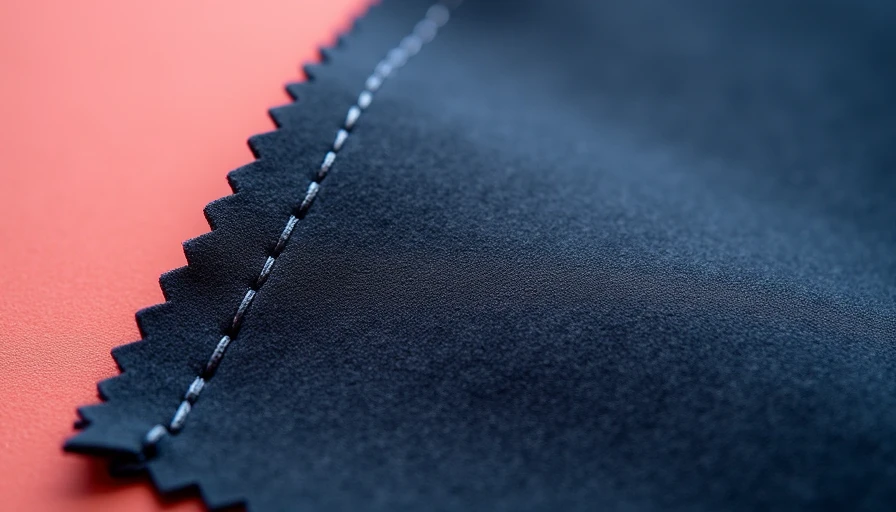
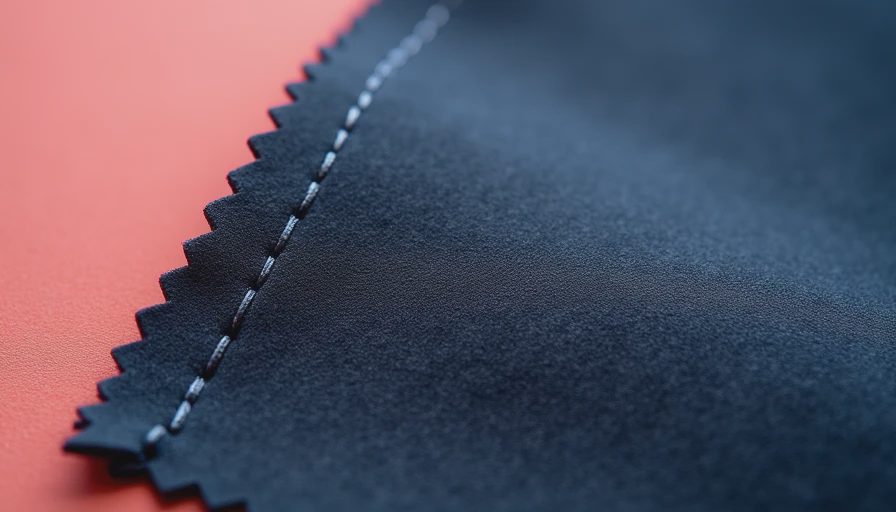
Alcantara is a premium synthetic microfiber suede made by an Italian company of the same name. It's around 68 percent polyester and 32 percent polyurethane, though the exact blend is proprietary. The result is a soft, grippy material that looks like suede and performs like a technical fabric. Automakers use it on seats, door panels, headliners, steering wheels, and console covers. You'll find it on factory options from Chevrolet, Toyota, BMW, Audi, Mercedes-Benz, Porsche, and others. It's not leather, and it's not animal suede. It's engineered to resist fading, hold its shape, and add a sporty feel to the cabin.
What Is Alcantara Made Of?
This is a synthetic microfiber, not a woven fabric in the traditional sense. The fibers are much finer than carpet fibers, which is what gives it that velvet-like nap. They're woven together and then finished so the surface rises into a soft, even texture. Because it's synthetic, it's lighter than leather and doesn't require animal hides, which is why it showed up first in race cars and later in mainstream performance trims. It also performs well in wear tests, but only if it's cared for properly.
What Is Alcantara and Is It Worth It?
If you're wondering what is Alcantara actually good for, the short answer is grip. On a steering wheel, your hands hold better than they do on smooth leather. On seats, the material counters sliding during hard cornering, which is why automakers like Ford Performance, Toyota GR, and BMW M use it. It's also more breathable than leather in summer and feels less cold in winter. The tradeoff is cleaning. Alcantara acts like a sponge for body oils, sunscreen, and anything with sugar in it. You can't just wipe it and walk away.
Here's What I See Go Wrong Most Often
Here's what I see go wrong most often: owners treat Alcantara like it's leather or cloth. They spray a leather cleaner on the seat, scrub with a stiff brush, and drive off. That pushes dirt deeper into the fibers and strips the protective coating that keeps the nap standing. Within a few months, you end up with a shiny, matted patch where your back sits. It doesn't look worn in a good way. It just looks ruined.
How to Clean Alcantara the Right Way
Safety First: if the interior is hot, wait for it to cool down. Cleaning a hot panel makes your cleaner dry too fast and leaves a chalky residue. And if you just spilled coffee, blot it now with a clean white towel. Never rub a spill while driving. Pull over, take care of it, then get back on the road.
Tool Check: a soft interior detailing brush, a dedicated Alcantara cleaner or pH-neutral upholstery foam, a small shop vacuum with a brush attachment, and plenty of clean microfiber towels.
Start by vacuuming the surface with the brush nozzle, moving in one direction to lift the nap. Next, spray your cleaner onto a towel or brush, not directly onto the material. Work it in with light circular strokes. Let it dry per the cleaner's instructions. Once dry, go over the area again with the dry detailing brush to restore the texture. The whole job takes about 20 minutes, and you can do this. Here's the safe, right way.

When to Stop and Call a Pro
If you're looking at a set-in oil stain, pet mess, or makeup transfer, don't grab the all-purpose cleaner. Those stains need extraction, not surface cleaning. A professional detailer with steam injection can flush the fibers without wrecking the nap. I've seen DIY attempts turn a $200 cleaning job into a $1,200 seat cover replacement. If your Alcantara already has a matted, shiny spot that won't respond to brushing, the coating is gone. That panel may only be salvageable with professional equipment. Call an interior specialist before you make it worse.
What Not to Use on Alcantara
Every week I see someone reach for the same products that ruined their leather seats. Don't do it. Stay away from silicone-based protectants, Armor All-style wipes, and any cleaner with bleach, ammonia, or strong solvents. These break down the polyurethane backing and leave a greasy film that collects dust. Even plain water is a problem if you soak the panel, because the fibers hold moisture and the backing can start to separate from the foam. If you're unsure about a product, test it on a hidden area first, then pat it dry with a towel. A cleaner that doesn't foam and doesn't have strong chemical smell is your best bet.
The Bottom Line
So what is Alcantara, in one sentence? It's a synthetic suede that gives a car interior a premium, performance-oriented feel, and it's worth choosing if you understand the upkeep. Brush it weekly, clean spills immediately, and use the right products. Do that, and Alcantara will still look good years down the road. Ignore it, and you'll be staring at a matted, shiny mess. You can do this. Here's the safe, right way.
Comments
No comments yet — be the first to share a thought.