
Catalytic Converter Diagnosis, Replacement, and Safety Guide
Catalytic converter problems can trigger a check engine light, poor performance, or a sulfur smell. Learn safe diagnosis, tool needs, costs, and repair limits.
A catalytic converter is often blamed the moment a check engine light appears, but that is one of the most common diagnostic mistakes I see. A fault code such as P0420 or P0430 tells you the emissions system is not meeting its expected efficiency; it does not automatically prove the converter itself has failed. You can do this. Here's the safe, right way: confirm the symptoms, test the related sensors and engine controls, and replace the part only when the evidence supports it.
What a Catalytic Converter Does
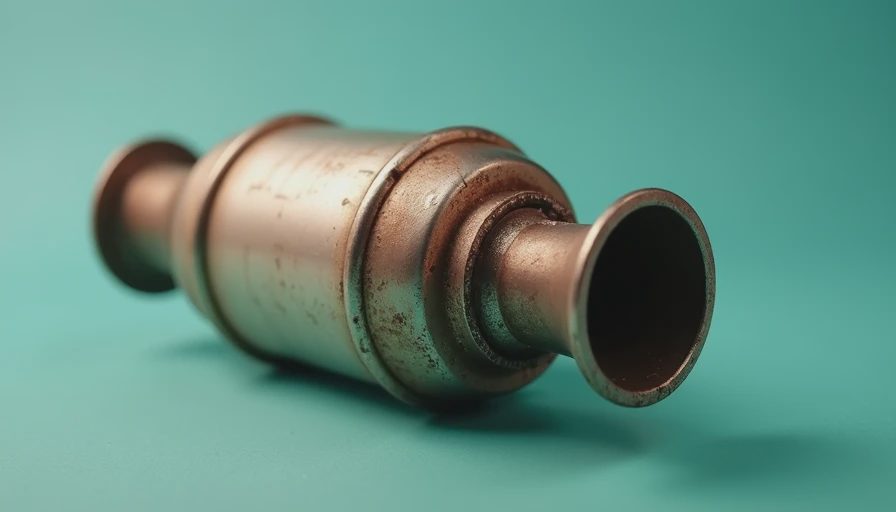
The catalytic converter sits in the exhaust system and uses precious-metal coatings to convert harmful gases into less harmful emissions. Depending on the vehicle, it handles hydrocarbons, carbon monoxide, and oxides of nitrogen. It operates extremely hot, often several hundred degrees Fahrenheit above normal exhaust temperatures, so location and safety matter before you touch anything.
A healthy catalytic converter usually does its work quietly. A restricted unit can cause weak acceleration, difficult starting, poor fuel economy, or an engine that will not rev freely under load. A damaged ceramic substrate can rattle like gravel inside a metal can. A rotten-egg smell points toward sulfur-related exhaust chemistry, but it can also appear when the engine is running too rich or misfiring.
Here's what I see go wrong most often: someone installs a new converter while ignoring a leaking injector, bad ignition coil, vacuum leak, or failed oxygen sensor. The replacement then overheats and fails again. Diagnose the cause first.
Confirming a Converter Problem
Start with a quality scan tool, not just a code reader that displays one sentence. Record every stored and pending code, freeze-frame data, engine temperature, fuel trims, and oxygen-sensor readings. Look for misfire, fuel-control, or air-leak codes before focusing on the emissions code.
Inspect the exhaust while the engine is cold. Check for black soot around flanges, cracked welds, loose heat shields, and dents that could restrict flow. Never crawl under a vehicle supported only by a jack. Use ramps rated for the vehicle or four properly positioned jack stands on a hard, level surface.
A backpressure test can help confirm restriction. A shop can measure pressure through an oxygen-sensor port, while a trained DIYer may compare vacuum behavior under load. Temperature readings before and after the converter can provide clues, but infrared temperature comparisons are not a final diagnosis by themselves. A scan tool, pressure test, and visual inspection produce a much stronger answer together.

Safety First and Tool Check
Safety First: work only on a completely cool exhaust system. Exhaust components can remain hot long after the engine is shut off. Wear safety glasses, gloves, long sleeves, and hearing protection when using an impact tool. Use penetrating oil in a ventilated area, keep it away from ignition sources, and never run the engine in a closed garage. If the vehicle uses a hybrid powertrain, stop and follow the manufacturer’s high-voltage service procedure instead of treating it like a conventional car.
Tool Check: gather a floor jack, rated jack stands or ramps, wheel chocks, penetrating oil, wire brush, oxygen-sensor socket, metric and SAE sockets, long extensions, breaker bar, torque wrench, exhaust hanger pliers, replacement gaskets, and new self-locking nuts or bolts when specified. An angle grinder or torch can make removal easier, but both create fire and injury risks near fuel lines, plastic shields, and underbody coatings. I recommend having a fire extinguisher within reach.
Before ordering parts, verify the vehicle year, engine, drive layout, emissions certification, and converter position. Many vehicles use separate front and rear units. A federal emissions part is not always the correct choice for a vehicle requiring California emissions equipment, and an inexpensive universal converter may not satisfy the vehicle’s diagnostic strategy.
Removing and Installing the Part
Disconnect the negative battery cable only if the service information permits it and you understand the effects on radio settings, learned values, and security systems. Mark oxygen-sensor connectors before unplugging them. Do not pull on sensor wires. Spray fasteners with penetrating oil and allow time for it to work; forcing a rusted stud can turn a straightforward repair into a broken-manifold job.
Support the exhaust before removing the final flange fastener. Remove the oxygen sensors with the correct socket, then loosen the converter-to-manifold and converter-to-front-pipe fasteners. Exhaust hangers may need lubricant and dedicated pliers. Compare the replacement with the old part before installation, including flange shape, sensor-bung location, heat shields, and pipe diameter.
Torque to spec — and yes, the spec matters. There is no universal catalytic converter torque value. The service manual must provide separate values for converter-to-manifold fasteners, converter-to-front-pipe fasteners, oxygen sensors, heat-shield bolts, and any brace or hanger hardware. Use the specified value for each fastener, with clean or lubricated threads exactly as directed. If the manual lists 35 lb-ft for one flange and 25 lb-ft for another, those numbers are not interchangeable. Tighten evenly so the gasket seals without warping the flange.
After-Repair Testing
Reconnect every sensor and secure wiring away from the exhaust. Check that no harness touches the pipe, driveshaft, steering linkage, or heat shield. Start the engine and listen for an exhaust leak. A cold-start ticking sound near a flange often indicates a gasket or fastener problem, while a loose heat shield produces a metallic buzz.
Clear codes only after recording them. Then perform the manufacturer’s required drive cycle, which commonly includes cold operation, steady cruising, deceleration, and several idle periods. Readiness monitors will not reset instantly. If the check engine light returns, do not keep clearing it; retrieve the new code and continue diagnosis.
A replacement catalytic converter can cost roughly $400 to more than $2,500 installed, depending on the vehicle, converter location, emissions certification, and whether the part is original-equipment or aftermarket. Labor rises sharply when studs break or the exhaust is heavily rusted. On an older vehicle, compare the repair estimate with its value and with other needed work, but do not remove or hollow out the converter. Tampering with emissions equipment is illegal under federal law and can create an unsafe exhaust system.
When to Stop and Call a Pro
Stop if you find a fuel leak, active misfire, damaged fuel line, severe rust, a hybrid high-voltage component, or a fastener that requires cutting near the fuel tank. Also stop if the converter glows red during normal operation. That usually means unburned fuel is entering the exhaust, and installing another part without correcting the engine problem is throwing money away.
If diagnosis requires live data you cannot interpret, exhaust backpressure testing, or welding, a reputable repair shop is the right next step. Ask for the diagnostic findings, the exact converter position, the emissions certification, and the warranty terms. A clear estimate should separate diagnosis, parts, labor, and any broken-hardware charge.
The goal is not simply to install a catalytic converter. The goal is to restore proper engine operation, seal the exhaust, protect passengers from fumes, and keep the repair from failing twice. Work slowly, use the correct support equipment, follow the vehicle-specific torque specifications, and call for help when the job exceeds your tools or experience.
Comments
No comments yet — be the first to share a thought.