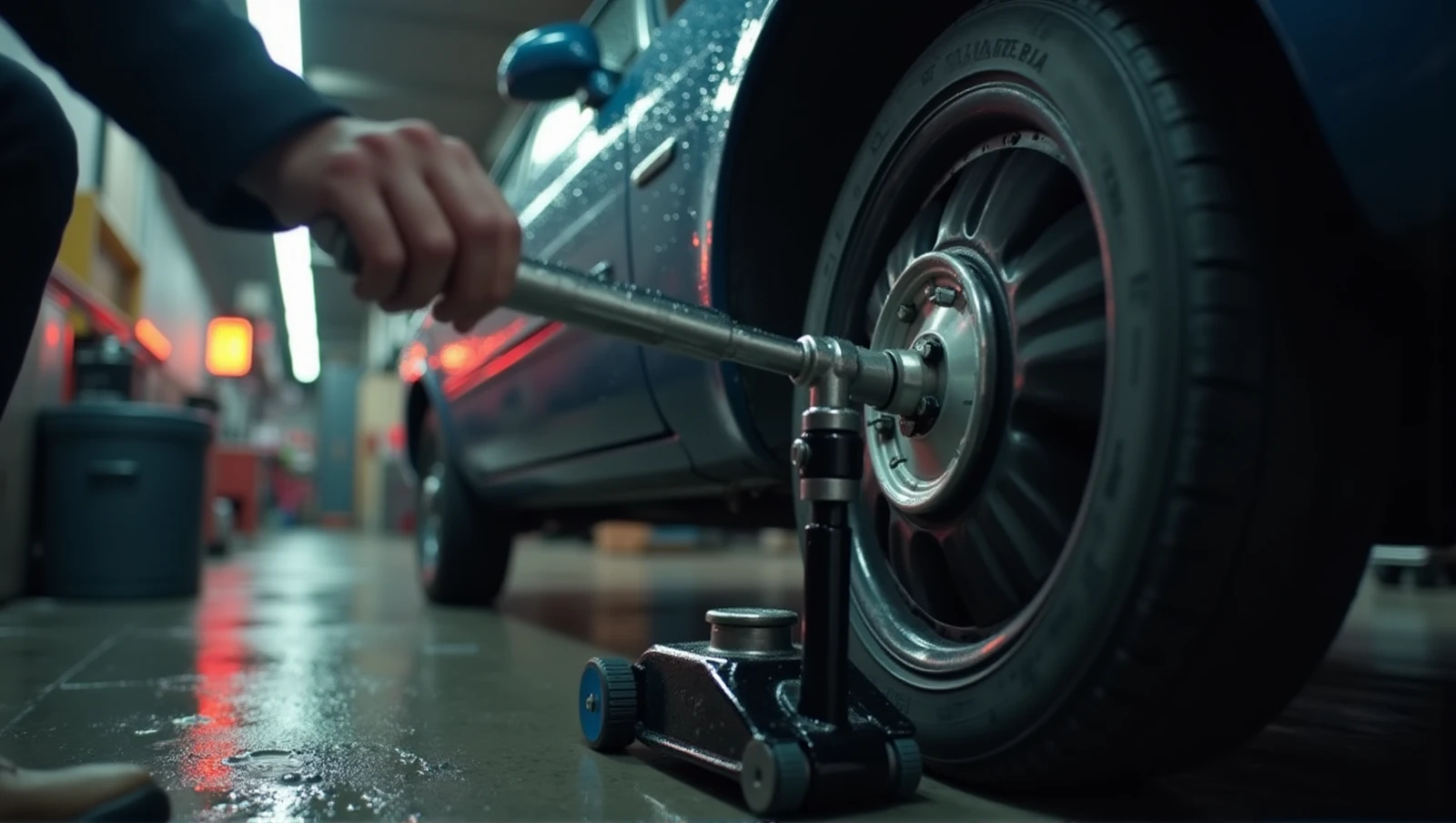
Save Tow Truck Fees and Stay Safe: How to Change a Flat Tire Correctly
Save Tow Truck Fees and Stay Safe: How to Change a Flat Tire Correctly
Here's what I see go wrong most often in my shop: folks try to loosen lug nuts after the car is already in the air. It's unstable and dangerous. I'm Dave Krueger, and I've spent 22 years in dealership service departments. I know you can do this — here's how to do it right. Changing a flat tire isn't just about getting moving again; it's about avoiding a costly tow bill and handling roadside stress with confidence.
Why This Matters
Owning a car is rewarding, but mechanical issues like a flat tire can quickly turn into a headache. Professional auto repairs and towing can be expensive. By mastering this skill, you save money on tow truck bills and empower yourself with essential automotive skills. Nothing is more disheartening than hearing that dreaded flapping sound and feeling your car wobbling while driving. Knowing how to handle this common roadside issue safely means you can navigate unexpected bumps in the road without panic.
What You Need to Know
Before we turn any wrenches, we need to talk about preparation. You cannot improvise safety on the side of the road.
Tool Check
- Spare tire (locate in trunk)
- Jack (locate in trunk)
- Lug wrench (locate in trunk)
- Owner's manual (for lift points and PSI)
Safety First
- Location: Find a flat, level surface away from traffic, like a shoulder or parking lot.
- Visibility: Turn on your hazard lights to alert other drivers.
- Body Safety: Be cautious not to place any body parts under the vehicle while it is lifted.
How It Works
Here is the methodical process I teach in my weekend workshops. Follow this order precisely.
Step 1: Secure the Scene
The moment you realize you have a flat tire, calmly steer your vehicle to the nearest safe location. Look for a flat, level surface. Turn on your hazard lights.
Step 2: Gather Equipment
Ensure your tools are in good working condition. Most cars come with a spare tire, a jack, and a lug wrench. Locate these items in your trunk.
Step 3: Loosen the Lug Nuts
Using the lug wrench, carefully loosen the lug nuts on the flat tire, but do not remove them completely just yet. Turn the wrench counterclockwise, applying steady pressure until the nuts start to come loose. This step is essential because it's easier to loosen the nuts with the weight of the car still on the tire.
Step 4: Elevate the Vehicle
Position the jack under the designated lift point, which can typically be found in your car's owner's manual. Crank the jack handle to raise the vehicle off the ground, allowing enough clearance to remove the flat tire easily.
Step 5: Remove the Flat Tire
Now that the vehicle is elevated, you can fully remove the loosened lug nuts. Take the flat tire off by pulling it straight towards you. Place the flat tire on its side, so it doesn't roll away.
Step 6: Install the Spare
Position the spare tire onto the wheel studs, aligning the holes with the studs. Push the tire all the way until it's snug against the brake rotor or drum.
Step 7: Hand-Tighten Lug Nuts
Start threading the lug nuts onto the wheel studs by hand. This ensures they're correctly aligned and minimizes the risk of cross-threading. Tighten each nut as much as you can without the aid of the wrench.
Step 8: Lower and Tighten
Carefully lower the vehicle using the jack until the spare tire makes full contact with the ground. Once the tire is supporting the weight of the car, use the lug wrench to tighten the lug nuts in a diagonal or star pattern. This prevents the wheel from going on unevenly. Tighten the nuts as much as possible, but avoid excessive force that could damage the studs.
Step 9: Verify Pressure
After installing the spare tire, it's crucial to check its pressure. Ensure the tire is inflated to the recommended PSI, which can be found in your owner's manual or on a sticker located on the driver's side door jamb.
Common Mistakes
Despite what forums say, you CAN damage your studs if you use excessive force. The source instructions specifically warn to avoid excessive force that could damage the studs. Another common pitfall is skipping the pressure check. A spare tire sitting in a trunk for years may be low on air. Always verify the recommended PSI using your owner's manual or door jamb sticker before driving any distance. Finally, never jack the car up before loosening the nuts; the wheel will just spin, and you risk knocking the vehicle off the jack.
Bottom Line
A flat tire is an inconvenience, but it doesn't have to be a crisis. By following these step-by-step tutorials, you save time and money while empowering yourself with essential automotive skills. Keep your tools in good condition, know where your lift points are before you need them, and always prioritize a flat, level surface. You've got the know-how to handle this safely.
Comments
No comments yet — be the first to share a thought.