Defensive Driving Saves Lives And Prevents Costly Collisions Here Is How To Do It Right
Defensive Driving Saves Lives And Prevents Costly Collisions Here Is How To Do It Right
Here's what I see go wrong most often in the shop: cars that didn't need a rebuild, just a little more attention from the driver. Changing your driving habits can prevent a $4,000 collision repair bill just as effectively as changing your oil prevents engine wear. I'm Dave Krueger, and after 22 years in dealership service departments, I know that protecting your vehicle starts before you turn the key. Defensive driving isn't just about rules; it's about preventative maintenance for your safety.
Why This Matters
The holiday season is a wonderful time to hit the road for a visit with family and friends, but it often means long drives in heavy traffic. According to the National Safety Council (NSC), more cars on the road means a higher chance of fatal crashes. When you bring a vehicle into my workshop with collision damage, we can fix the metal, but we can't fix the risk to your life. Defensive driving is your best ally during heavy traffic. By planning ahead and practicing safe habits, you navigate unpredictable conditions with confidence. This protects your investment and keeps you out of the insurance claim process.
What You Need to Know
Before you shift into drive, you need to understand the specs of safe operation. The NSC defines defensive driving as taking reasonable action to prevent a collision. This starts before you even get on the road. You must pack the car with basic supplies to ensure you're ready for emergencies on long drives. Your essential kit includes a first aid kit, flares, snacks, and blankets.
There are specific intervals you need to follow while operating the vehicle, just like maintenance schedules. Defensive driving instructors recommend checking your mirrors every three to five seconds. Regarding signaling, most traffic laws require you to signal within 100 feet of a turn, but you should check local regulations. These aren't suggestions; they are the operational parameters for safety.
How It Works
Planning: The First Line of Defense
Defensive driving starts before you even get on the road. Checking weather and road conditions in advance helps you plan a route and know what to expect along the way. If the conditions are wet or icy, you need to adjust your speed even if you're obeying the limit.
Traffic Watch
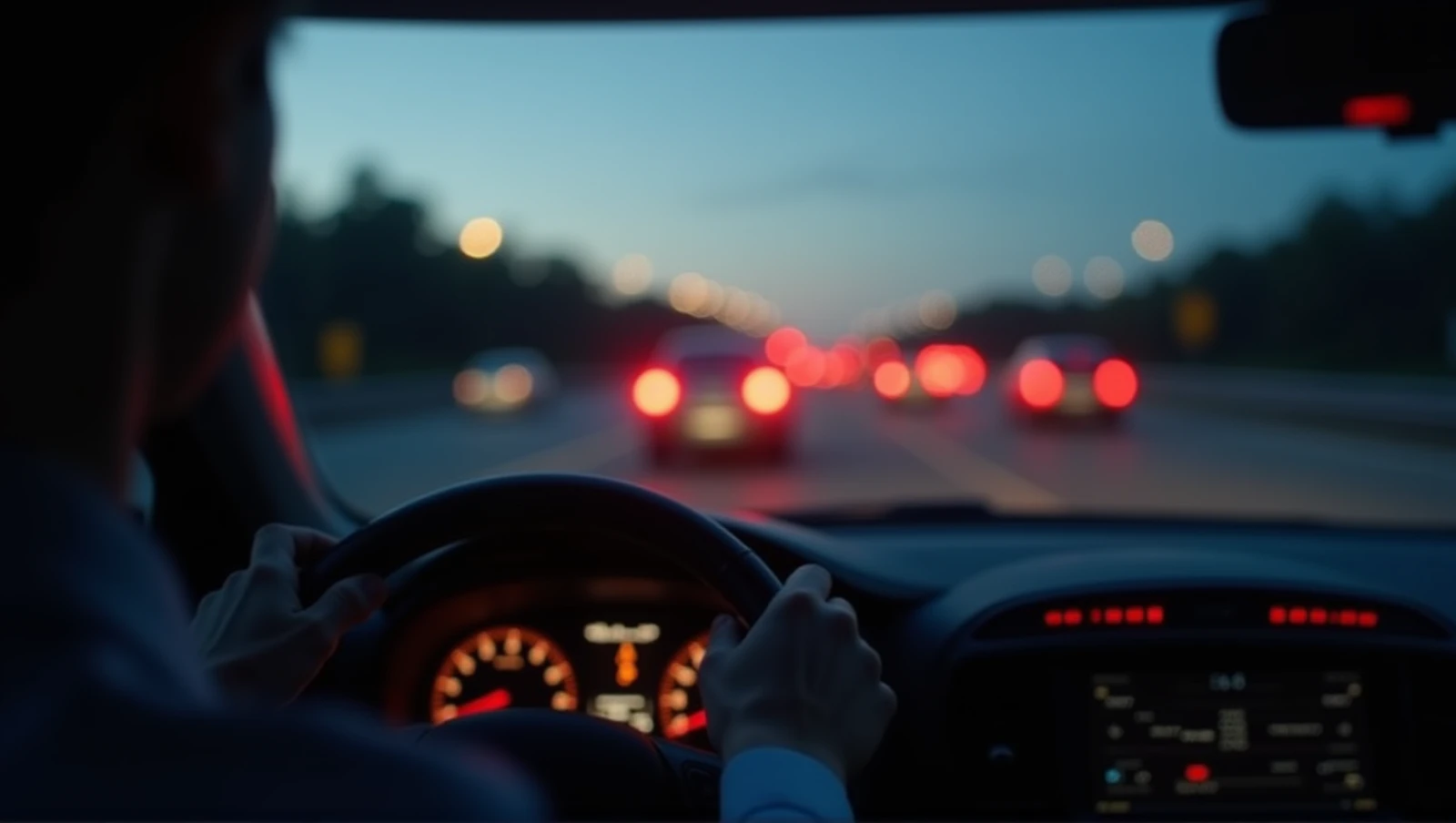
Once you are moving, continuously scan ahead for possible dangers. Always give the right of way to fellow motorists, but be prepared to react to unexpected lane changes and turns. During heavy traffic, keep a safe distance from other vehicles and give yourself ample response time by slowing your speed. Look for signs of impaired, distracted, and even aggressive driving.
Pro Tip: Develop techniques like deep breathing to keep calm under pressure. A stressed driver makes rushed decisions.
Collision-Proof Your Drive
The NSC has identified six unsafe driving behaviors that most often lead to collisions. By understanding each infraction, you can avoid them.
1. Improper speed: Keep a close eye on both the posted speed limit and weather conditions.
2. Violating right of way: Drive at an appropriate speed to give yourself time to react and scan intersections before entering them.
3. Driving left of center: Stay behind cyclists or pedestrians until it is safe to pass. Watch for animals or obstacles so you can brake instead of swerving into the other lane.
4. Turning improperly: Always use turn signals to let others know where you are going.
5. Passing improperly: Check your blind spots, as well as in front of and behind your vehicle. Ensure you can pass without getting too close or going over the speed limit.
6. Following too closely: At low speeds, this leads to fender benders; at high speeds, it can be deadly.
Common Mistakes
Myth: Obeying the Speed Limit is Always Safe
Despite what some drivers think, even if you're obeying the limit, you may need to slow down to drive safely on a wet or icy road. Speed limits are for ideal conditions, not heavy traffic or storms.
Myth: You Can React Instantly
Many drivers assume they can brake immediately when hazards appear. However, following too closely removes your ample response time. You need distance to compensate for human reaction lag.
Safety First: Never assume the right of way is yours even if the law says so. Be prepared to react to unexpected lane changes and turns from others who aren't driving defensively.
Bottom Line
Defensive driving means taking reasonable action to prevent a collision. It requires planning your route, packing emergency supplies like flares and blankets, and adhering to specific scanning intervals like checking mirrors every three to five seconds. Avoid the six unsafe behaviors identified by the NSC, such as improper speed and following too closely. Stay alert, keep calm, and treat every drive like a diagnostic procedure where safety is the priority. You can do this — here's how to do it right.
Comments
No comments yet — be the first to share a thought.