Follow NHTSA Safety Goals to Protect Your Family and Avoid Costly Crash Repairs This Year
Follow NHTSA Safety Goals to Protect Your Family and Avoid Costly Crash Repairs This Year
Here's what I see go wrong most often in the shop: folks think maintenance is just about oil changes and brake pads, but the most critical maintenance is how you operate the machine. I've spent 22 years in dealership service departments seeing the aftermath of preventable collisions. A $4,000 rebuild is nothing compared to the cost of a life lost. Changing your driving habits is the cheapest insurance you can buy. This year, consider making a commitment to safer driving with resolutions that can have a lasting impact.
Why This Matters
Safer driving not only protects you but also helps safeguard your loved ones and everyone on the road. From a mechanical standpoint, avoiding a crash means avoiding bent frames, deployed airbags, and totaled engines. It keeps your vehicle on the road longer and your insurance premiums lower. NHTSA encourages you to start the new year with a commitment to these important safety goals. When you drive sober and alert, you reduce the risk of injuries if you're in a crash. This isn't just about following laws; it's about understanding the physics of safety.
What You Need to Know
Before you turn the key, you need to understand the specific safety protocols recommended by experts. These aren't suggestions; they are engineered safety margins.
Safety First
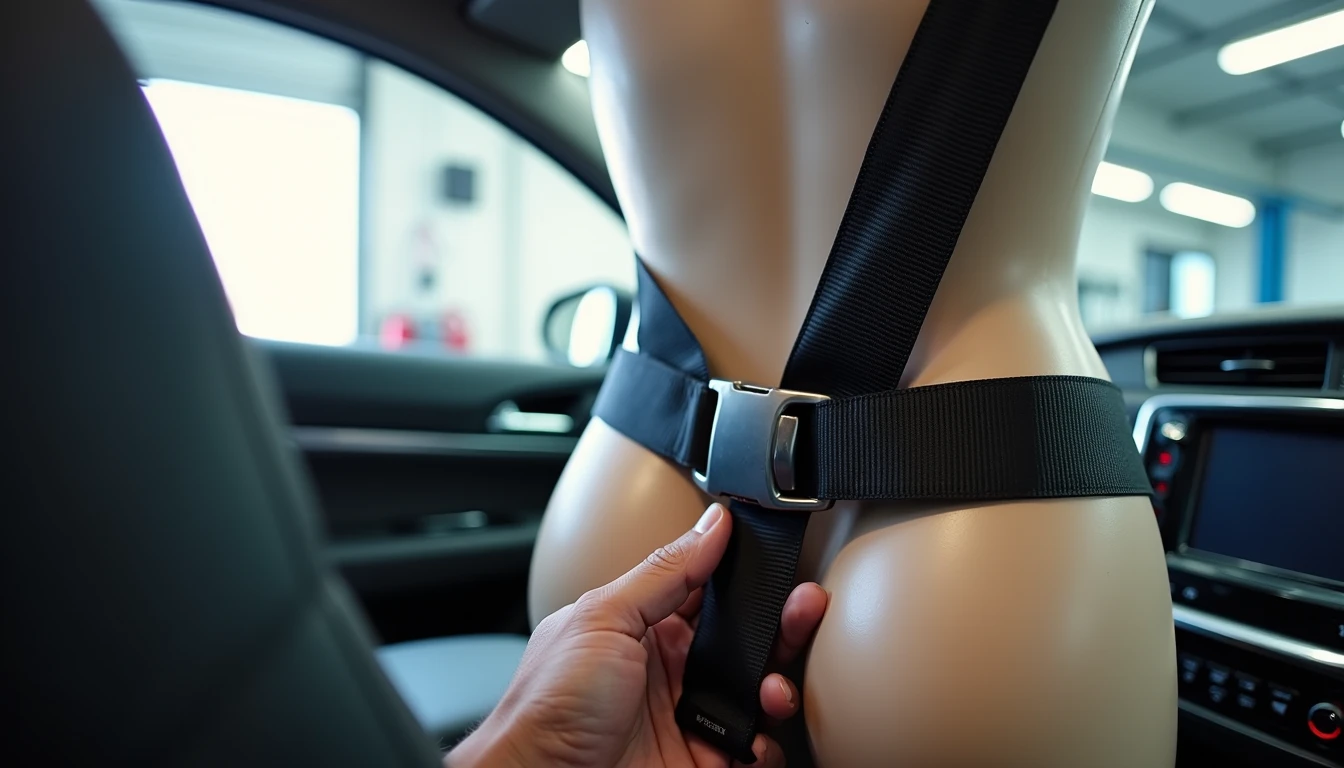
- Seat Belt Placement: Always place the shoulder belt across the middle of your chest and away from your neck. Place the lap belt across your hips, not your stomach.
- Child Safety: Remember that the back seat is the safest place for children under 13.
- Drowsiness Windows: Be alert for signs of drowsiness during peak sleepiness periods (midnight to 6 a.m. and late afternoon).
Tool Check
- Vehicle owner's manual for seat belt systems.
- Certified technician access for car seat inspection.
- Rideshare or taxi app for sober transport planning.
How It Works
Implementing these safety goals requires a methodical approach, similar to a pre-drive inspection.
1. Buckle Up. Every Trip, Every Time
Wearing your seat belt can save your life. If you have passengers, make sure everyone is properly buckled before hitting the road. You should never put the shoulder belt behind your back or under your arm. Misuse can have dangerous consequences during impact.
2. Ensure Children Are in the Right Seat
It's important to choose the right seat, install it correctly, use it every time your child is in the car, and know when it's safe to transition to another type of car seat or seat belt. NHTSA can help you through the process with car seat recommendations based on your child's age and size. You can find a car seat inspection station to have a certified technician check your work.
3. Drive Sober and Alert
Driving while impaired is a dangerous, deadly crime. In every state, it's illegal to drive impaired by any substance—alcohol or other drugs, whether legal or illegal. If you're impaired, do not drive. Instead, plan ahead and arrange a safe ride home before the event. If you must drive during peak sleepiness periods, be alert for signs of drowsiness, such as driving over roadway lines or rumble strips.
Pro Tip: If you take medications, make sure to understand how they may affect your ability to drive safely and adjust your schedule or arrange for alternative transportation if necessary.
4. Pay Attention and Obey Limits
Distracted driving includes talking or texting on your phone, eating and drinking, talking to people in your vehicle, adjusting the stereo, entertainment, or navigation system—anything that takes your attention away from the task of safe driving. Texting or holding a cell phone to talk is illegal in many states. Speeding puts you, your passengers, and all the people you share the road with in unnecessary danger. Remember that speed affects your safety even when you're driving the speed limit but too fast for road conditions, such as in bad weather, at dawn or dusk, at night, or through a construction zone.
5. Share the Road Responsibly
Be mindful that you share the road with not only other motorists, but also motorcyclists, bicyclists, and pedestrians. Learn about the safety challenges motorcyclists face because of their size and visibility.
Common Mistakes
Despite what forums say, you CAN compromise your safety with improper belt usage. Here's what happens.
- Belt Misuse: Placing the lap belt across your stomach instead of hips can cause internal injuries during a crash. The force must be distributed across the pelvic bone.
- Condition Ignorance: Many drivers believe staying within the posted speed limit is always safe. However, driving too fast for road conditions, such as in bad weather, is still dangerous.
- Distraction Underestimation: Adjusting the navigation system while moving takes your attention away from the task of safe driving. Driving safely always requires your full attention.
Bottom Line
Being a responsible driver is simple: if you're impaired, do not drive. If you're hosting an event where alcohol will be served, make sure all guests leave with a sober driver and don't hesitate to stop someone from getting behind the wheel after drinking. As we step into a new year, it's a perfect time to reflect on our goals. Many of us focus on self-improvement, but improving our driving habits offers the best return on investment for your safety and your vehicle's longevity. Commit to these goals, and you'll keep your car out of my repair shop and your family safe at home.
Comments
No comments yet — be the first to share a thought.