Take Control of Your Car Maintenance and Save Thousands on Repair Costs With These DIY Steps
Take Control of Your Car Maintenance and Save Thousands on Repair Costs With These DIY Steps
Here's what I see go wrong most often in my shop: folks panic over a flickering light or a strange noise because they don't speak the language their car is using. They hand over credit cards instead of picking up wrenches. I'm Dave Krueger, and after 22 years in dealership service departments, I'm here to tell you that learning automotive repair isn't just about saving money; it's about empowerment, understanding, and building a deeper connection with your vehicle. You can do this — here's how to do it right.
Why This Matters
There's a unique satisfaction in troubleshooting a problem, understanding its root cause, and implementing a solution. But beyond the pride, regular vehicle maintenance is the cornerstone of a long-lasting car and can prevent many costly issues down the road. Tasks like checking your oil, understanding tire pressure, and ensuring your fluid levels are correct might seem small, but they are critical.
Consistency in these basic checks can be the difference between a smooth ride and an unexpected breakdown. When you transform complex automotive issues into manageable steps, you foster a sense of accomplishment and self-reliance. This guide is designed to light the path to mastering your vehicle's needs, turning what feels like an expensive mystery into an exciting educational adventure.
What You Need to Know
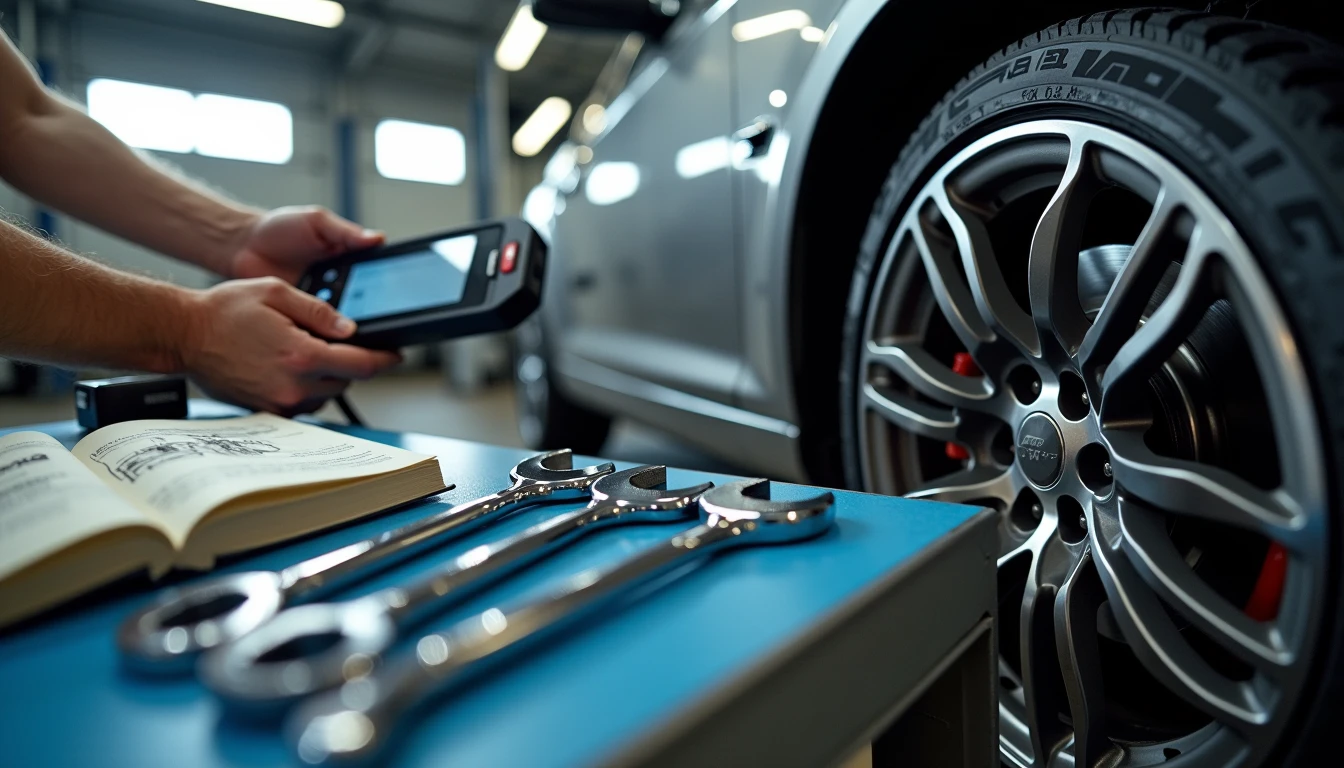
Just as an artist needs brushes, a DIY mechanic needs the right tools. Before you lift a wrench, you need to assemble your kit. We're talking about everything from basic hand tools to understanding how diagnostic scanners can read your car's computer codes, revealing hidden issues. Note that some scanners often require specialized software, so do your research before buying.
Access to reliable repair manuals and online communities also plays a crucial role. Empower yourself with knowledge and the right equipment, and you'll find that even an intimidating engine fix becomes approachable. Below are the core categories you should focus on as you begin your journey:
- Oil Change: Draining old oil, replacing oil filter, refilling with new oil.
- Brake Service: Inspecting pads/rotors, replacing worn components, bleeding brake lines.
- Battery Health: Cleaning terminals, testing voltage, replacing weak battery.
- Tire Rotation: Moving tires to different positions for even wear and extended lifespan.
- Spark Plug Replacement: Removing old plugs, gapping new ones, installing for efficient combustion.
- Air Filter Change: Replacing engine and cabin air filters for better performance and air quality.
- Coolant Flush: Draining old coolant, flushing system, refilling with fresh coolant.
- Wiper Blade Replacement: Removing worn blades and installing new ones for clear visibility.
- Headlight Restoration: Cleaning and polishing hazy headlight lenses for improved brightness.
- Fluid Checks: Regularly monitoring brake fluid, power steering fluid, and transmission fluid levels.
Safety First: Always work on level ground. Use jack stands—never rely on a jack alone. Wear safety glasses when draining fluids or working under the hood.
Tool Check: Basic socket set, oil filter wrench, floor jack, jack stands, diagnostic scanner, funnel, and drain pan.
How It Works
The journey begins with basic car maintenance you can do. Every great mechanic started with the basics. These simple steps give you immediate insight into your car's health and build the confidence to tackle more.
Consider the methodical approach we discussed in Mastering Microsoft Project – applying a structured mindset to your car's maintenance schedule can dramatically improve outcomes. Don't jump straight into a transmission rebuild. Start with the fluid checks. Monitor your brake fluid, power steering fluid, and transmission fluid levels regularly. Once you are comfortable identifying where these fluids live and what they should look like, move to component swaps like wiper blades or air filters.
When you encounter a strange new sound or a flickering warning light, remember these aren't necessarily signs of impending disaster, but rather your car's way of communicating. Our tutorials guide you through diagnosing common problems, from identifying the source of unusual noises to interpreting dashboard warning lights. Learning to accurately pinpoint problems is the first step in any successful car troubleshooting.
Pro Tip: Keep a maintenance log. Write down every time you check a fluid or change a part. This structured record helps you spot trends before they become failures.
Common Mistakes
Don't let uncertainty lead to panic; instead, let it inspire you to learn and resolve. One major myth is that you need specialized equipment for everything. While diagnostic scanners are essential for modern codes, many issues are mechanical and visible.
Another pitfall is skipping the basics. People want to fix the engine noise but haven't checked their tire pressure or oil level in months. These simple steps are critical. Also, be wary of online advice that doesn't match your specific vehicle. Access to reliable repair manuals is crucial because specs vary by make and model. Never assume a fluid type or torque specification; always verify with your manual.
Bottom Line
Whether you're a complete novice or looking to expand your skills, these tutorials will light the path to mastering your vehicle's needs. There's a unique satisfaction in troubleshooting a problem and implementing a solution. By empowering yourself with knowledge and the right equipment, you transform your relationship with your car. Start with the fluid checks, grab your basic hand tools, and embark on this exciting educational adventure together. Your trusted companion gets you to work, on adventures, and home again—now you can return the favor.
Comments
No comments yet — be the first to share a thought.