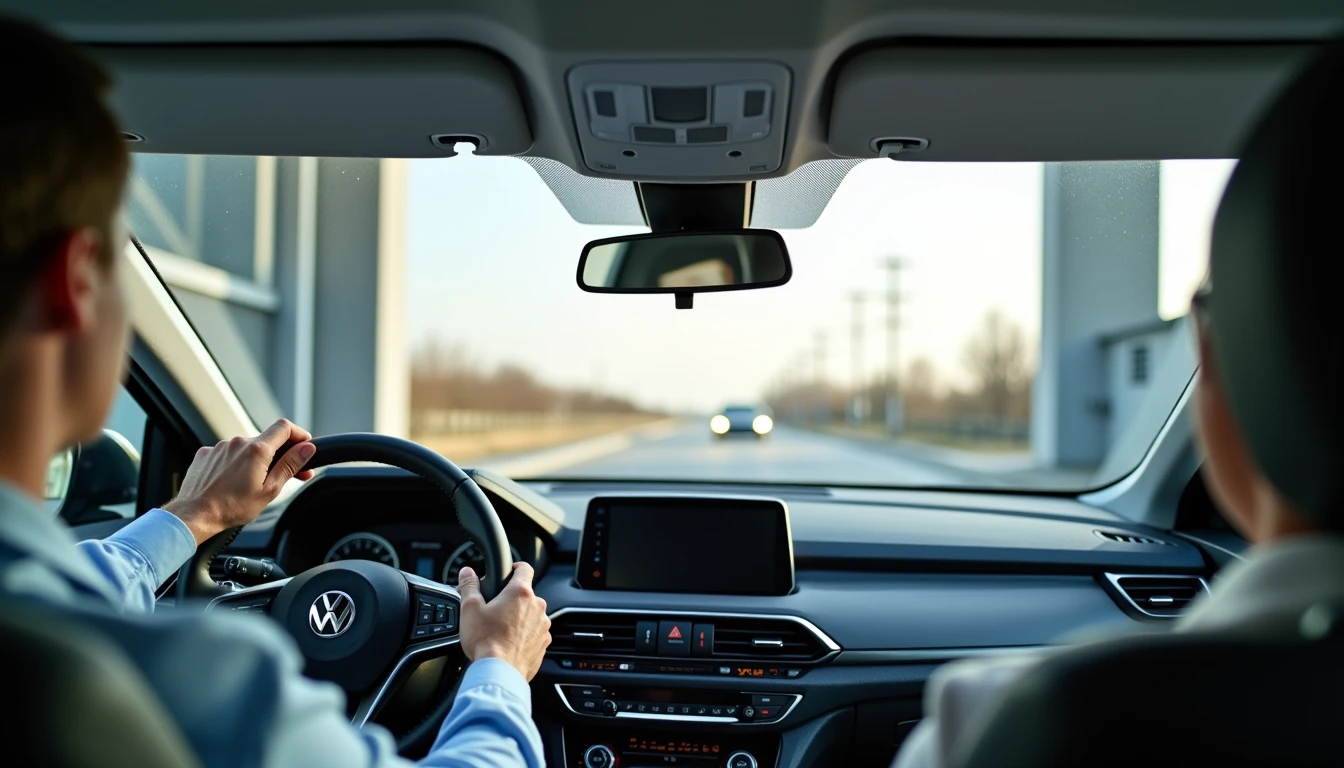
Defensive driving habits can cut your crash risk—and help prevent the kind of wreck that totals your car
This guide turns HSI’s defensive driving rules into a practical routine—pre-trip setup, 10-second scanning, speed control, and impairment checks to reduce crash risk.
Defensive driving habits can cut your crash risk—and help prevent the kind of wreck that totals your car
Why This Matters (cost/safety/longevity payoff)
Here’s what I see go wrong most often: people think “defensive driving” means driving slow. It doesn’t. Defensive driving means driving *prepared*—so you’re not relying on luck when someone does something unpredictable.
The payoff is real. Motor vehicle accidents cause more workplace deaths than anything else. In 2020, 37% of on-the-job deaths in the United States were caused by vehicular accidents, and more than 1,700 workers died. On the business side, traffic crashes cost companies big money—$72.2 billion in 2019 for medical care, liability, property damage, and lost productivity. Even if you’re not driving for work, the “cost of crashes” hits you the same way: injuries, downtime, insurance headaches, and vehicle repairs that can snowball fast.
Defensive driving is about building time and space into every decision so you can avoid the crash in the first place.
What You Need to Know (specs, types, intervals)
This guide is built around core defensive-driving rules that stress patience, caution, and consistency—the exact mindset that keeps you out of trouble when the road throws you a surprise (road rage, bad weather, distracted drivers, aggressive drivers).
Key “numbers” and concrete targets from the source:
- Scan ahead at least 10 seconds, about a quarter mile, or to the next intersection—so you have time to react.
- Do not exceed posted speed limits. A defensive driver matches traffic *as closely as possible* without exceeding speed limits.
- Seatbelts matter: wearing a seatbelt cuts the likelihood of dying in a traffic accident in half.
Safety tools/resources mentioned in the source:
- Employers can quantify crash costs using the Network of Employers for Traffic Safety Cost of Crashes Calculator.
- Defensive driving courses (including online courses created by HSI) are commonly used by employers to standardize good habits.
Safety First
- If you’re fatigued, ill, or affected by medications, alcohol, or drugs, don’t drive. Impairment is not just “drunk driving.”
- If you feel rushed or stressed, delay the trip. Rushing is a major upstream cause of bad decisions.
Tool Check (before you drive)
You don’t need fancy equipment—just a quick, repeatable routine:
- A few extra minutes in your schedule (seriously—this is the “tool” most people skip)
- A habit of doing a walk-around visual inspection
- A phone set to Do Not Disturb
- Proper seat and mirror adjustment before moving
How It Works (step-by-step)
Defensive driving works because it reduces two things that cause collisions: surprise and reaction delay. Here’s a practical way to apply the rules every single trip.
1) Prepare before you leave (eliminate preventable distractions)
Why: Most “sudden problems” start with you being behind the curve—rushing, fumbling with controls, or not knowing where you’re going.
How:
1. Build in enough time so you’re not rushing—and so you can take breaks and needed stops.
2. If it’s a vehicle you’re unfamiliar with, do a quick walk-around and visual inspection to make sure it’s operational.
3. Before you start moving, set up your environment:
- Adjust seat and mirrors
- Set climate control
- Set GPS/directions
- Set music
4. Put your phone on “Do Not Disturb” to limit distractions.
Pro Tip: Do your setup while parked. If you catch yourself thinking “I’ll fix it once I’m rolling,” that’s your warning sign.
2) Scan like a pro (buy time with your eyes)
Why: You can’t react to what you don’t see. Scanning is how you turn “unexpected” into “anticipated.”
How:
1. Scan ahead at least 10 seconds, a quarter mile, or to the next intersection.
2. Scan behind you as well. Defensive drivers monitor what’s coming up *and* what’s closing in.
Pro Tip: Think of scanning as keeping an “exit plan” updated—where you could go if something changes fast.
3) Prepare for the unexpected (assume other drivers will do the wrong thing)
Why: Other drivers can be erratic—drunk drivers, drivers on mobile devices, and anyone who changes lanes or speed unexpectedly.
How:
1. Keep an eye on other drivers’ actions continuously.
2. Stay ready to react quickly—especially near intersections, merges, and heavy traffic.
Pro Tip: When something feels “off” about another vehicle (wandering in the lane, random braking), give it space early. Space is your safety buffer.
4) Choose the right speed (reaction time and impact energy matter)
Why: Driving above the posted speed limit increases risk in two ways:
- It cuts reaction time
- It results in more damage if there’s a wreck
How:
1. Choose a speed that matches traffic as closely as possible without exceeding speed limits.
2. If traffic is moving at high speeds and aggressive drivers are present, keep to the right and out of the way.
Pro Tip: “Going with the flow” never means breaking the limit. It means staying predictable without becoming an obstacle.
5) Don’t drive impaired (and yes, fatigue counts)
Why: Impairment isn’t only alcohol. Fatigue, illness, medications, alcohol, and drugs can all reduce your ability to process hazards and respond.
How:
1. If you’re not at your best, reschedule, get a ride, or rest first.
2. Treat fatigue like a real hazard—because it is.
6) Buckle up every time (this is non-negotiable)
Why: Seatbelts provide impact protection, absorb crash forces, and prevent ejection. The source notes seatbelts cut the likelihood of dying in a traffic accident in half.
How:
1. Buckle up before the vehicle moves—driver and passengers.
Common Mistakes (myths, pitfalls, warnings)
- Myth: Defensive driving = driving slow. Reality: It’s driving *prepared*—scanning, planning, and staying predictable.
- Mistake: Setting GPS or music while driving. Fix it before you roll. Distraction is one of the easiest risks to eliminate.
- Mistake: Assuming you’ll “notice” an unsafe driver in time. If you’re not scanning ahead 10 seconds / a quarter mile / to the next intersection, you’re already late.
- Mistake: Speeding to “get away from traffic.” Higher speed reduces reaction time and increases crash damage.
- Mistake: Driving while tired because “it’s just a short trip.” Fatigue is impairment. Short trips still have intersections and surprises.
Bottom Line (summary, recommended action)
Defensive driving is a repeatable system: prepare before you leave, scan ahead 10 seconds, expect other drivers to do the unexpected, match traffic without exceeding speed limits, don’t drive impaired, and wear your seatbelt every time. Do those consistently, and you dramatically reduce your odds of ending up in a crash—along with the injuries, vehicle damage, and massive real-world costs that come with it.
Comments
No comments yet — be the first to share a thought.