Five simple driving habits that can cut your crash risk by up to 40% and keep you out of the body shop
This guide turns Traffic Safety Store’s five safe-driving tips into step-by-step habits, including the 3-second rule, weather spacing, and a pre-drive distraction checklist.
Five simple driving habits that can cut your crash risk by up to 40% and keep you out of the body shop
Why This Matters (cost/safety/longevity payoff)
Here’s what I see go wrong most often: drivers think “I’m careful” is enough, so they keep the same habits in rain, glance at a phone “just for a second,” or follow too close because traffic is moving. That’s how perfectly good cars get totaled and people get hurt.
The practical payoff is real. According to traffic safety data, following basic safety principles can reduce your risk of being in an accident by up to 40%. That’s not theory—that’s fewer hard-braking events, fewer close calls, and a much better chance you’re not dealing with injuries, insurance claims, or weeks without your vehicle.
You can do this. The goal isn’t to drive scared—it’s to drive prepared.
What You Need to Know (specs, types, intervals)
This isn’t a “buy more gadgets” guide. These are five skill-based habits you can apply today:
- Following distance: Use the three-second rule in normal conditions. In adverse weather, increase to four to six seconds.
- Distraction control: Handle distractions before you start driving with a simple pre-drive checklist.
- Weather adjustments: Rain, snow/ice, and fog require immediate changes in speed, spacing, and control inputs.
- Defensive driving: Constantly scan, check mirrors, manage blind spots, and keep escape routes.
- Vehicle condition: Regular maintenance matters—specifically, check tire pressure monthly and inspect tread depth regularly (both directly affect grip and stopping).
Safety First
- If you need to take a call or check directions, pull over safely. Don’t “multitask” at speed.
- In fog, use low-beam headlights, not high beams, to avoid glare and reduced visibility.
- Avoid sudden steering, braking, or throttle inputs on slippery roads—those are the triggers for loss of control.
Tool Check (yes, even for driving habits)
You don’t need fancy equipment, but you do need a setup that prevents avoidable mistakes:
- Working seat belt and properly adjusted seating position
- Mirrors adjusted before moving (so you’re not fiddling while rolling)
- Phone set to silent or do-not-disturb mode
- GPS destination entered before you leave
- Music set before you roll
How It Works (step-by-step)
1) Maintain proper following distance (space buys you time)
Why before how: Following distance isn’t about being polite—it’s about reaction time and braking distance. If the driver ahead hits the brakes hard, you need enough room to react without panic braking.
How to do it (three-second rule):
1. Pick a fixed point ahead (signpost, shadow line, overpass marker).
2. When the car in front passes it, count: “one-thousand-one, one-thousand-two, one-thousand-three.”
3. If you reach the point before you finish, you’re following too close—back off.
In adverse conditions: In rain, snow, or fog, extend that gap to at least four to six seconds. Poor weather reduces tire traction (how well the tire grips the road) and visibility, and it increases stopping distance.
Pro Tip: If someone cuts in front of you, don’t “take it personally.” Re-establish your three seconds (or four to six in bad weather) by easing off the accelerator smoothly.
2) Eliminate distractions and stay focused (eyes and brain on the road)
Why: Distracted driving is a leading cause of traffic accidents because it steals attention at the exact moment you need it.
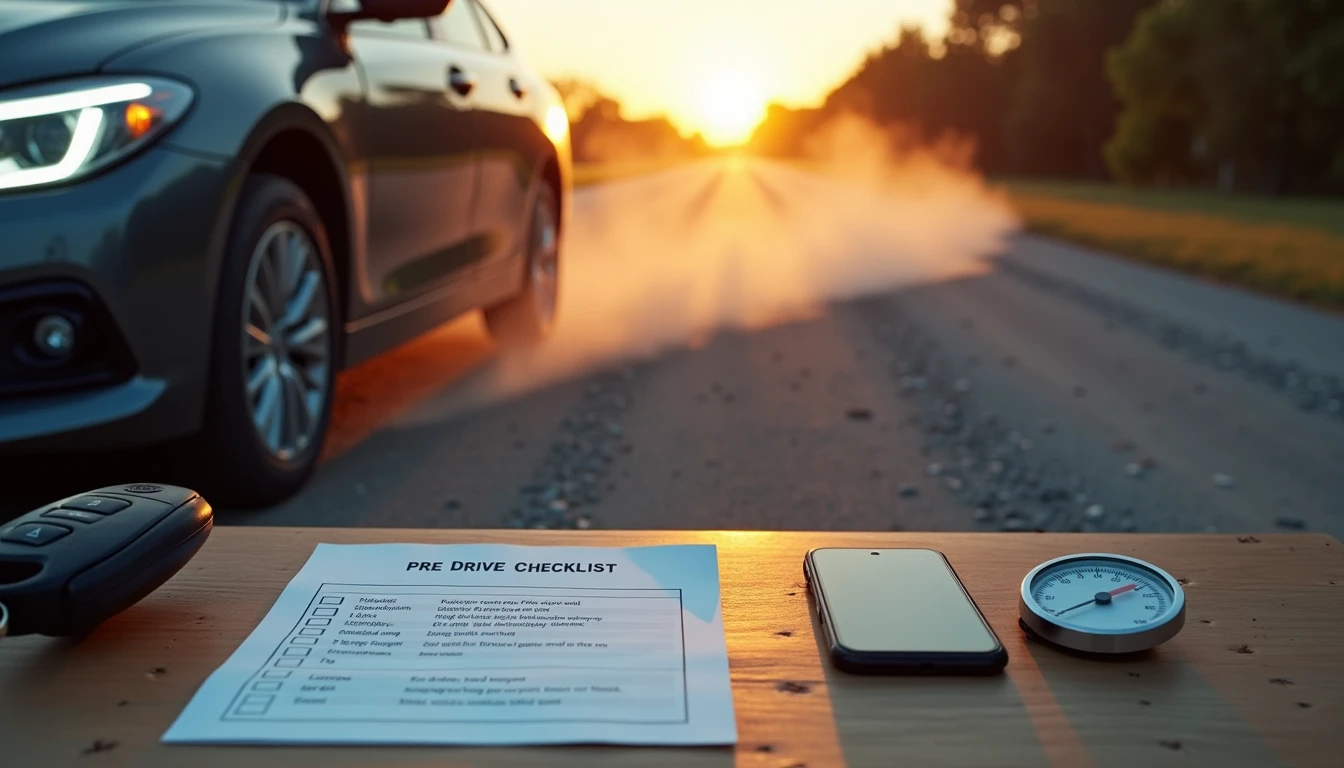
Pre-drive checklist (do this before you shift into gear):
- Set your GPS destination
- Adjust mirrors and seats
- Select your music
- Put your phone on silent or do-not-disturb mode
If you must take an important call or need to check directions, pull over safely rather than trying to do it while driving.
Here’s the gut-check: taking your eyes off the road for just two seconds at 60 mph means traveling 176 feet essentially blind—more than half a football field.
Pro Tip: If you catch yourself wanting to “just look quick,” that’s your cue to make a safe stop instead. Two seconds is longer than you think.
3) Adjust your driving for weather and road conditions (traction changes fast)
Rain: Roads get especially slippery in the first few minutes, when oil and debris mix with water.
- Reduce speed
- Increase following distance
- Avoid sudden steering, braking, or acceleration
Snow and ice: Everything above becomes more critical. Use gentle inputs for all controls. If your car starts to skid, don’t overcorrect. Ease off the accelerator and steer gently in the direction you want to go.
Fog: Reduce speed and use low-beam headlights. High beams can reflect back and reduce visibility further.
Pro Tip: Smooth beats fast. On slick surfaces, “slow hands and slow feet” keeps the tire contact patch working instead of sliding.
4) Use defensive driving techniques (assume the other guy might mess up)
Why: Defensive driving is about anticipating hazards and preparing for unexpected moves—because they happen.
How to do it:
- Constantly scan the road ahead, not just the bumper in front of you
- Check mirrors regularly
- Stay aware of vehicles in your blind spots
- Watch for signs of risky drivers (weaving between lanes, distracted behavior)
- Signal early and clearly
Also: make sure others can see your brake lights, turn signals, and hazard lights when appropriate.
At intersections, even with a green light, slow down slightly and check for vehicles that might run red lights. And whenever possible, position yourself so you have escape routes—avoid being boxed in.
Pro Tip: Leave yourself an “out.” If there’s no shoulder and you’re trapped between vehicles, you’ve surrendered options.
5) Keep your vehicle in optimal condition (your car can’t save you if it’s neglected)
Why: Mechanical condition directly impacts safety. Maintenance prevents breakdowns and ensures critical safety systems work when needed.
Start with the basics the source calls out:
- Check your tire pressure monthly
- Inspect tread depth regularly
Both affect traction and stopping, especially in rain and snow.
Pro Tip: Make tire checks part of your calendar—same weekend every month. Consistency beats good intentions.
Common Mistakes (myths, pitfalls, warnings)
- Myth: “Tailgating saves time.” Reality: it dramatically increases rear-end collision risk and rarely improves arrival time in real traffic.
- Mistake: Keeping the same following distance in bad weather. You need four to six seconds in rain, snow, or fog.
- Mistake: High beams in fog. Use low beams—high beams can bounce light back at you.
- Mistake: Overcorrecting a skid. Gentle steering where you want to go plus easing off the accelerator beats a panic snap of the wheel.
- Mistake: “I can look at my phone for a second.” At 60 mph, 2 seconds is 176 feet blind. That’s enough to miss a stopped car, a pedestrian, or a red light change.
Bottom Line (summary, recommended action)
If you only change five things, change these: hold the three-second rule (and four to six in bad weather), lock down distractions before you roll, drive smoother in poor conditions, practice defensive scanning, and keep your tires maintained with monthly pressure checks and regular tread inspections. Do that consistently, and you materially reduce your risk—by as much as 40% per the traffic safety data.
Comments
No comments yet — be the first to share a thought.