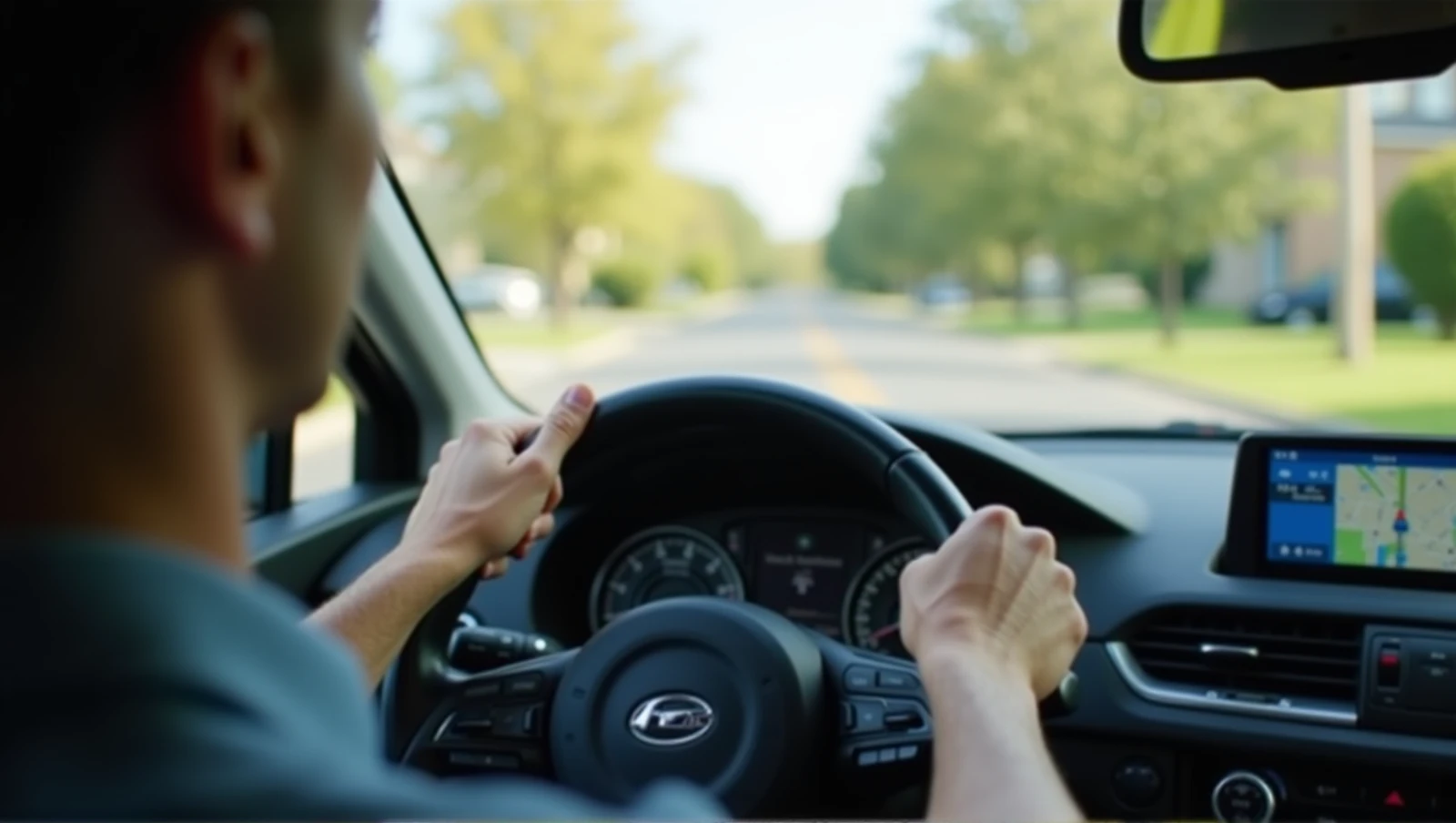
Adopt These Defensive Driving Habits to Prevent Crashes and Reduce Road Stress
Adopt These Defensive Driving Habits to Prevent Crashes and Reduce Road Stress
Here's what I see go wrong most often in my 22 years behind the lift: folks think a well-maintained engine is enough to keep them safe. I've seen plenty of perfect cars come in with crash damage because the operator behind the wheel wasn't tuned up. Driving is a procedure just like changing oil, and it requires the same methodical approach. You can do this — here's how to do it right.
Safety First: Aggressive driving creates dangerous road conditions for everyone. Speeding and unsafe behaviors can be contagious. Reacting to them contributes to the problem. Stay calm and follow traffic laws to set a positive example.
Tool Check:
- GPS or Map programmed before driving
- Clock set to depart 10-15 minutes early
- Cellphone stowed away
Why This Matters
Adopting these nine tips for being a defensive driver improves the safety and enjoyment of your drive. When you anticipate conditions and avoid aggressive behaviors, you minimize lane changes, sudden stops, and last-minute turns. This means less frustration and safer driving conditions for you and others on the road. In my line of work, I see the aftermath of ignored safety margins. Preventing a crash is far cheaper than any repair bill, and it keeps you out of harm's way.
What You Need to Know
Defensive driving isn't just about speed; it's about time and space management. The Maryland Highway Safety Office outlines specific intervals you should follow to maintain control.
- Following Distance: Maintain a minimum of three or four seconds of stopping time from the vehicle in front. Increase this in poor road conditions or when speed limits are higher.
- Departure Buffer: Always leave at least 10-15 minutes earlier than you think you need to.
- Distraction Cost: Sending or receiving a text message takes your eyes away from the road for five seconds. At 55 mph, that's like driving the length of a football field with your eyes closed.
You need to understand that anything taking your eyes off the road, hands off the wheel, or mind off driving is dangerous. This includes eating, drinking, adjusting the radio, or even passengers in the vehicle.
How It Works
Execute your drive using this step-by-step protocol to ensure safety.
1. Plan Your Route
Map out your route ahead of time or program your GPS to steer you in the right direction before you start to drive. This minimizes sudden maneuvers.
2. Anticipate Conditions
Before departure, consider all factors that might impact travel. Dense traffic can slow speeds, so plan to leave earlier and avoid peak travel times. Inclement weather makes travel more dangerous and slower. Use this as a reminder to increase following distance and lower your speed.
3. Brake Early
There is no need to ride your brakes. Give yourself plenty of time to come to a complete stop. This gives the person behind you time to see your brake lights and do the same.
4. Pass Safely
If you pass other vehicles, leave plenty of space when you move in front. That way they won't feel crowded and suddenly apply their brakes. Once you've passed a vehicle, move out of the left lane to allow other vehicles the chance to pass, especially if you are moving slower than most of the traffic.
5. Expect the Unexpected
You can prevent crashes by expecting the unexpected. For example, when your light turns green, wait to ensure no cars are running the red light. When something unexpected does happen, stay calm. Even the most attentive drivers can make mistakes.
Common Mistakes
Despite what forums say, you CAN create danger by reacting poorly to others. Here are the pitfalls I see constantly.
Tailgating Slow Drivers
Never tailgate a slow driver. This is aggressive driving, and dangerous because it could lead to a crash. Maintain that three or four-second gap regardless of their speed.
Distraction at Stoplights
Looking at your phone at a stoplight might seem harmless, but you could miss a signal change and potential oncoming hazards. Be The Focused Driver and stay alert. Distractions while driving are a danger to yourself and others on the road.
Running Late
Aggressive driving behaviors tend to come out when we're running late or feeling stressed about getting to our destination. Always leave early to avoid this pressure.
Road Rage
We all find ourselves stuck in traffic, feeling impatient. Speeding and driving aggressively only increases the chance of a crash. The best thing you can do is relax, stay calm and be respectful to your fellow drivers by following the rules of the road.
Bottom Line
Follow and spread the word about these tips to ensure everyone gets to their destination. By staying calm, planning ahead, and respecting safe distances, you protect your vehicle and your life. It's not just about knowing the route; it's about managing your mindset. Treat every drive like a safety inspection, and you'll reduce wear on your car and your nerves.
Comments
No comments yet — be the first to share a thought.