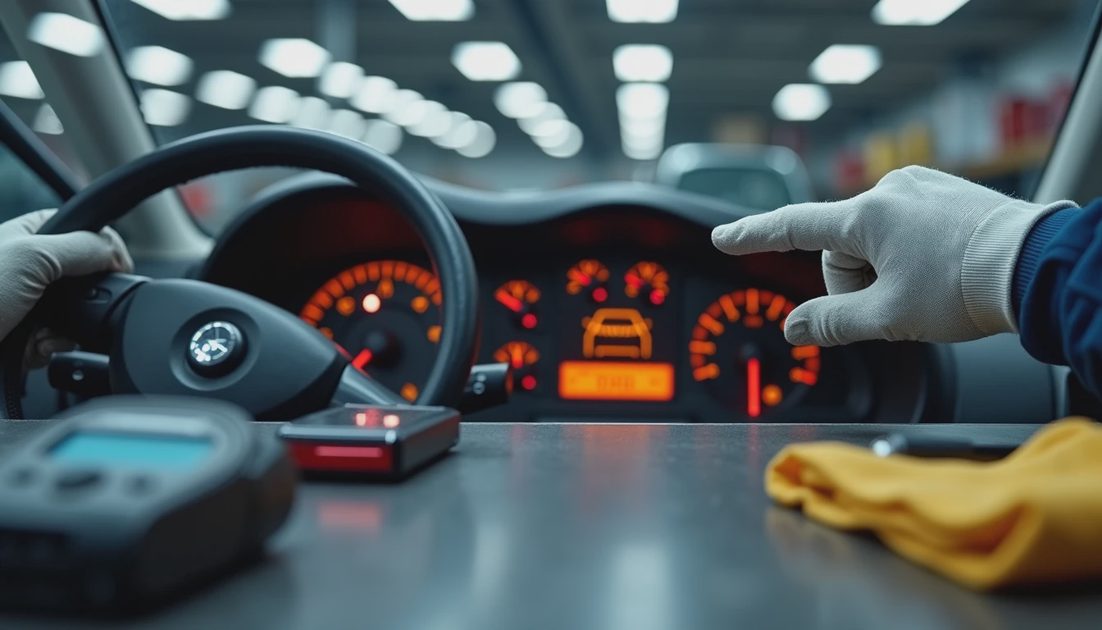
Dashboard warning lights explained so you know when to stop NOW and when you can safely drive to the shop
Why This Matters (cost/safety/longevity payoff)
Here’s what I see go wrong most often: a driver treats every dashboard light the same—either they panic and shut the car off for something minor, or they keep driving with a red warning because “it still runs fine.” Both mistakes can cost you money, but the second one can cost you an engine.
A red oil pressure warning isn’t a suggestion. According to the source, if your engine loses oil pressure, it “will seize within minutes.” That’s the kind of moment that turns a manageable issue into a catastrophic repair. On the flip side, a yellow/orange light usually means “address soon,” not “park it immediately,” and driving it briefly (while you plan the next step) is typically the safer, smarter move than doing something abrupt.
The practical payoff: if you understand the color code and the most common symbols, you can make the right call in real time—protecting your engine, brakes, and your wallet.
What You Need to Know (specs, types, intervals)
The dashboard color code (urgency levels)
Most modern vehicles use a “traffic light” system:
- Red = Critical Warning
Action: Pull over safely and turn off the engine immediately. Red indicates a serious malfunction or safety issue.
- Yellow/Orange = Advisory/Caution
Action: The vehicle may be safe to drive short-term, but a system needs attention soon. Ignoring it can lead to expensive repairs.
- Green/Blue = Information
Action: A system is active (for example, high beams or cruise control). Not a fault by itself.
Tool Check (before you do anything)
- Your vehicle owner’s manual (for the exact symbol definitions for your model)
- A safe place to pull over (shoulder, parking lot, or side street)
- A tire pressure gauge (for TPMS issues)
- A flashlight (night checks)
- Gloves and a rag (for checking oil level safely)
Safety First (non-negotiable)
- Never ignore a red warning light. Safely pull over and shut the engine off.
- Do not open the hood immediately if you suspect overheating. Let things cool down first.
- If you must exit the vehicle on a roadside, move well away from traffic and stay visible.
Torque specs note: The source article does not provide any torque specifications. When a warning light leads to a repair (oil drain plug, wheel lug nuts, battery terminals, etc.), use the manufacturer’s torque spec from the service manual or a trusted OEM database—don’t guess.
How It Works (what the lights mean and what to do)
Step 1: Look at the color before the icon
This is your “triage” move. Color tells you urgency faster than trying to interpret a symbol while stressed.
Step 2: Use these common symbols as your baseline
Below are the top lights the source calls out, with the actions that keep you safe and prevent damage.
#### Check Engine Light (Malfunction Indicator) — Yellow/Amber engine outline
What it means: Your car’s computer has detected a fault in the emissions, ignition, or fuel system. The cause could range from a loose gas cap to a failing catalytic converter.
What to do (in order):
1. Safely pull over when convenient (not necessarily immediately if it’s yellow and the car is driving normally).
2. Tighten your gas cap first (the source specifically calls this out).
3. If the light stays on, schedule a diagnostic check. The source notes that factory-grade diagnostic tools can find the root cause rather than just clearing codes.
Pro Tip: If the vehicle is running rough, misfiring, or feels low on power, treat it more urgently. A “simple” check engine light can become expensive if you keep driving with a serious fault.
#### Oil Pressure Warning — Red oil can with a dripping drop
What it means: The engine has lost oil pressure, and without pressure it cannot lubricate itself. The source is blunt: it can seize within minutes.
What to do:
1. Stop immediately and shut the engine off.
2. Check your oil level.
3. Do not drive until oil pressure is restored.
Safety First: Low oil pressure is not the same as “low oil level,” and topping off oil does not guarantee pressure returns. If the light stays on, the safest next move is towing—not “limping it home.”
#### Tire Pressure Monitoring System (TPMS) — Yellow exclamation inside a horseshoe
What it means: One or more tires is significantly under-inflated. The source notes that cold winter mornings can trigger this as air density drops (common in places with real winters).
What to do:
1. Check tire pressures (PSI) with a gauge at a gas station or at home.
2. Inflate to the vehicle’s recommended PSI (check the label on the driver’s door jamb—exact PSI is vehicle-specific and not provided in the source).
Pro Tip: Check pressures when tires are cold (before driving much). Warm tires read higher and can mislead you.
#### Battery/Charging System Light — Red rectangle with plus (+) and minus (-)
What it means: The battery is not being charged, often due to a failing alternator or a broken serpentine belt.
What to do:
1. Reduce electrical load (turn off unnecessary accessories).
2. Plan to get the charging system tested immediately—this can leave you stranded fast.
Safety First: If you suspect a broken belt, avoid driving—on many vehicles the belt also drives the water pump, and overheating can follow quickly.
Other common lights from the source glossary
- Brake System — Red
Meaning: Parking brake is on or brake fluid is low.
Action: Check brakes immediately.
- Engine Temperature — Red
Meaning: Engine overheating.
Action: Turn off the car and let it cool to avoid total engine failure.
- ABS Warning — Yellow
Meaning: Anti-lock braking system is deactivated. Normal brakes work, but emergency braking is compromised.
- Traction Control — Yellow
Meaning: Flashing means the system is active; solid can indicate a fault in stability control.
Common Mistakes (myths, pitfalls, warnings)
1. Mistaking yellow/orange for “ignore it.”
Yellow means “address soon.” Delaying can turn a manageable fix into a bigger repair.
2. Assuming a red light means “drive gently to the next exit.”
Red means stop safely and shut down—especially oil pressure and engine temperature warnings.
3. Clearing a code without fixing the cause.
The source emphasizes root-cause diagnosis. Clearing a warning doesn’t repair anything.
4. TPMS light = “my tires are fine because they look fine.”
Tires can be dangerously low and still look okay. Use a gauge.
5. Not accounting for weather effects.
The source notes winter cold can trigger TPMS, and low voltage in winter can contribute to electronic issues that show up as warning lights.
Bottom Line (summary, recommended action)
Use the color code first: red = stop immediately, yellow/orange = address soon, green/blue = system active. If you see the red oil can, shut it down—engines can seize within minutes without oil pressure. If it’s check engine, tighten the gas cap first, then get a proper diagnostic if it stays on. And if TPMS lights up, verify PSI with a gauge—especially in cold weather.