Stop Guessing: How Dashboard Warning Lights Save You Thousands in Repairs
This guide breaks down ten common dashboard warning lights, explaining their urgency levels and step-by-step diagnostic responses to help DIY owners prevent costly repairs and maintain vehicle safety.
Stop Guessing: How Dashboard Warning Lights Save You Thousands in Repairs
Here's what I see go wrong most often: drivers ignore a glowing dashboard symbol until a minor warning turns into a catastrophic failure. Understanding what each light means before you need it can prevent a $4,000 engine rebuild, keep your airbags ready for an emergency, and save you from getting stranded on the shoulder. You can do this — here's how to do it right.
Why This Matters
Your dashboard isn't just a collection of icons; it's your vehicle's primary communication system. Every warning light is tied to a specific sensor or control module monitoring critical functions. Ignoring them doesn't make the problem disappear—it compounds it. A steady check engine light might seem harmless, but over time it can lead to catalytic converter damage or internal engine wear. A persistent traction control light on slick roads means you're driving without electronic stability assistance, drastically increasing your risk of a loss-of-control incident. Treating these signals with respect protects your safety, extends component lifespan, and keeps repair bills predictable.
What You Need to Know
Before you react to any warning, you need to know what you're looking at. I've broken down the most common indicators into three response categories based on urgency:
- Informational: Fog Lights Indicator. Confirms your fog lights are active. Turn them off in clear conditions to avoid blinding other drivers.
- Caution: Low Fuel, Low Tire Pressure, Traction/Stability Control. Require prompt attention but don't usually demand an immediate roadside stop.
- Critical: Check Engine, Airbag, Coolant Level, Battery, Brake System, Engine Oil. Demand immediate inspection or safe shutdown.
How It Works
When a light illuminates, follow this methodical response protocol. Never assume the light is a glitch.
Tool Check
- Owner's manual (for vehicle-specific light locations and definitions)
- Tire pressure gauge
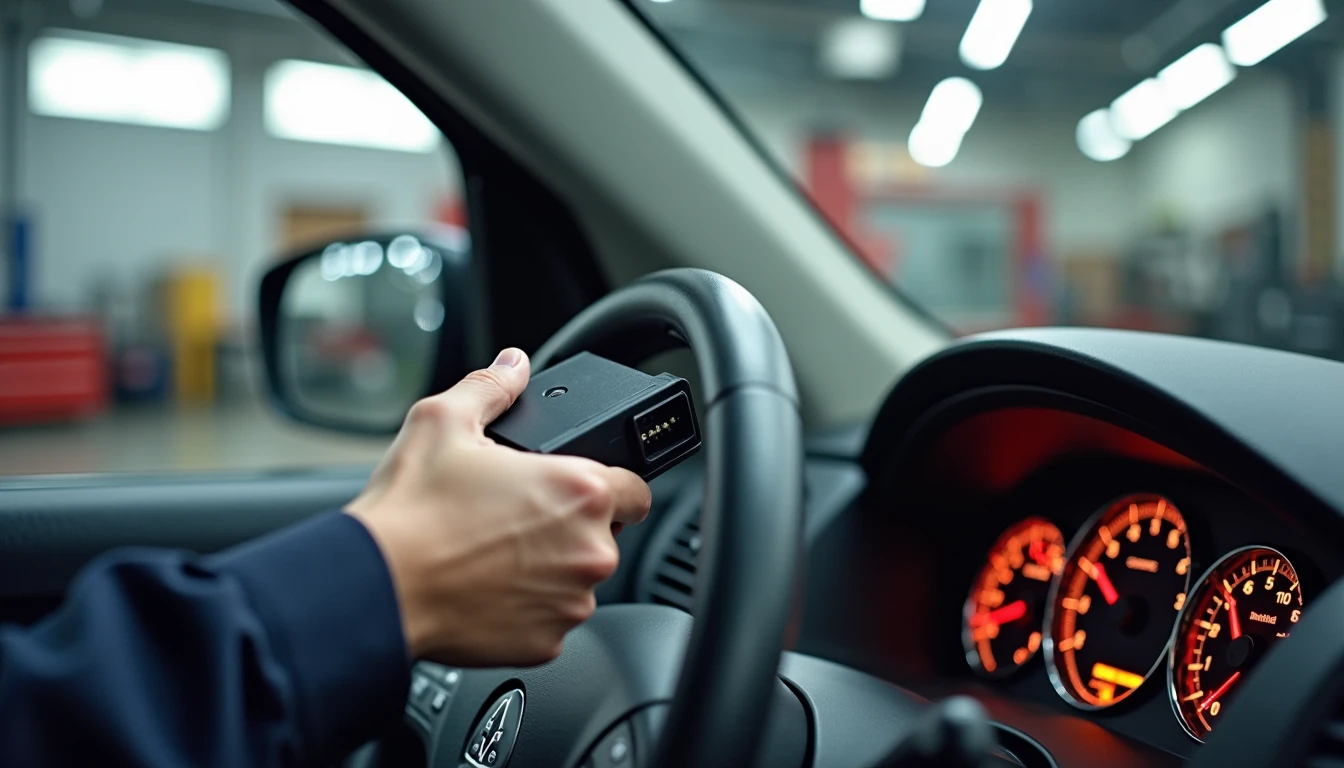
- OBD-II scanner (a diagnostic tool that reads engine management trouble codes)
- Flashlight or work light
- Basic hand tools (for visual inspections under the hood)
- Calibrated torque wrench (when securing any fasteners during inspection, always consult your factory service manual for the exact torque specifications to prevent stripping threads or causing leaks)
Safety First
- Always pull over to a safe, flat surface before inspecting any warning light.
- Never open a coolant reservoir or radiator cap while the engine is hot. Hot coolant is under extreme pressure and can cause severe burns.
- If the brake or battery warning light illuminates while driving, reduce speed immediately and avoid highway travel until the system is verified.
Response Steps by Light:
1. Fog Lights Indicator: Verify your switch position. This light confirms operation, not failure.
2. Airbag Warning Light: Looks like a seated figure with a circle. Indicates a fault in the supplemental restraint system. Airbags may not deploy in a collision. Schedule a diagnostic inspection immediately.
3. Check Engine Light: Signals a fault in the engine management or emissions system. Connect an OBD-II scanner to read the trouble code, then address the root cause.
4. Low Fuel Warning: Resembles a gas pump. Refuel promptly. Consistently running on fumes can overheat and damage the in-tank fuel pump, which relies on fuel for cooling and lubrication.
5. Coolant Level Warning: Thermometer in liquid icon. Low coolant risks engine overheating. Pull over safely, let the engine cool completely, then check the overflow reservoir. Top off with the manufacturer-recommended coolant mixture if low.
6. Battery Warning Light: Battery-shaped icon. Indicates a charging system fault, usually a failing alternator (the component that generates electricity while the engine runs) or corroded terminals. Have the electrical system tested immediately.
7. Brake System Warning Light: Exclamation point in a circle. Could mean the parking brake is engaged, brake fluid is low, or pads are worn. Verify the parking brake release, check fluid levels, and inspect pad thickness.
8. Traction/Stability Control Light: Car with squiggly lines. Flashes when the system is actively modulating wheel slip. Stays solid if disabled or faulty. While drivable, a persistent light means reduced grip on uneven or wet surfaces.
9. Low Tire Pressure Warning: Exclamation point in a tire shape. Under-inflation reduces fuel economy, accelerates tread wear, and increases blowout risk. Check all four tires with a gauge and inflate to the manufacturer's recommended pressure found on the driver's door jamb sticker.
10. Engine Oil Warning Light: Oil can icon. Signals critically low oil pressure or level. Stop driving immediately. Check the dipstick. If low, add the correct viscosity oil (how thick the oil is at a given temperature) specified in your manual. Running an engine without adequate oil pressure will cause rapid, irreversible internal damage.
> Pro Tip: Warm the engine for five minutes before checking fluid levels or tire pressure. Cold fluid doesn't circulate fully, and cold tires give falsely low pressure readings, leading to inaccurate diagnostics.
Common Mistakes
Despite what online forums claim, you cannot simply reset a check engine light by disconnecting the battery and expect the problem to vanish. The code will return, and you'll erase valuable diagnostic data. Another frequent error is topping off coolant or oil with the wrong specification. Using the wrong fluid type can cause seal degradation or pump failure. Finally, many drivers ignore the brake warning light because the car still stops. Modern brake systems have dual circuits; if one fails, you may still have braking power, but your stopping distance will increase dramatically and the remaining circuit will wear out rapidly.
Bottom Line
Dashboard lights are early warning systems, not suggestions. Treat every illumination as a direct message from your vehicle's sensors. Match the light to its category, follow the safety protocols, and perform the necessary checks or schedule a professional inspection. Consistent, prompt responses to these indicators will keep you safe, protect your investment, and prevent minor alerts from becoming major repairs.
Comments
No comments yet — be the first to share a thought.