Undercoating vs Rust Proofing: What's the Best Protection for Your Vehicle?
Undercoating vs rust proofing: understand the key differences, costs, and effectiveness. Learn which method protects your car's frame and body longer.
If you live in the Rust Belt or anywhere roads get salted in winter, you've probably heard the debate: undercoating vs rust proofing. I've seen plenty of cars come into the shop with rust holes that could have been prevented—and I've also seen the damage done by the wrong rust protection. Here's what you need to know to make the right call.
What's the Difference?
Undercoating is a thick, tar-like or rubberized coating sprayed onto the underside of your vehicle. It's designed to seal metal from moisture and salt. Rust proofing, on the other hand, typically uses a thinner, oil-based or wax-based spray that creeps into seams and cavities to displace moisture. The key difference: undercoating stays on the surface; rust proofing penetrates deeper.
**Safety First:** Never apply either product over rust you haven't removed. It'll trap moisture and accelerate corrosion underneath. Always start with a clean, dry surface.
When Undercoating Makes Sense (and When It Doesn't)
Undercoating is great for new cars or vehicles with zero rust. It adds a durable barrier that can last years if properly applied. But here's the catch: if your car already has light surface rust, a rubberized coating can peel off, creating moisture pockets. I've seen frames rotted out underneath an intact undercoating layer.
**Common mistake:** People think a thick coat is better. Not true. A 1-2mm layer is plenty. Thicker applications crack and trap moisture.
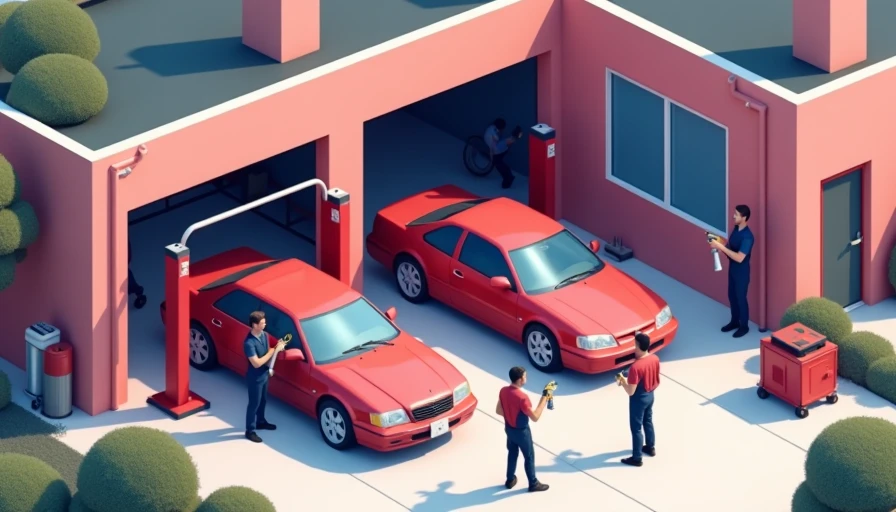
Rust Proofing: The Modern Approach
Oil-based rust proofing has been around for decades, but today's formulas are better. Products like Fluid Film or Krown penetrate fasteners, inside rocker panels, and into body seams. They don't harden, so they self-heal if scratched. This makes them ideal for older vehicles or used cars with existing minor rust—they won't trap moisture like undercoating can.
**Tool Check:** You'll need a spray gun or aerosol cans, jack stands, and a mask (oil mist isn't good for your lungs). Plan for drips—spread a tarp.
Step-by-Step Comparison
Let's break down the application process for both:
**Undercoating:**
- Wash underside thoroughly, let dry completely.
- Mask off exhaust, driveshaft, and any moving parts (coating them creates a fire hazard).
- Spray in even passes, starting from front to back.
- Let cure 24 hours before driving in wet conditions.
**Rust proofing:**
- Wash and dry, but less fussy about perfect cleanliness—oil will cling to light surface rust.
- Use a spray wand to inject into frame cavities, rocker panels, door bottoms.
- Spray in a light mist over the whole underside.
- Wipe excess off visible areas; it's normal to drip for a day or two.
**Torque spec reminder:** If you're removing underbody shields or skid plates, re-torque fasteners to factory spec. I've seen undertrays rattling loose because someone cranked them down finger-tight.
Cost and Longevity
Undercoating applied professionally runs $150-$400, depending on vehicle size and product. DIY aerosol kits are $30-$60 but don't last as long—expect 2-3 years vs. 4-6 years for a pro job. Rust proofing treatments are typically $100-$200 annually at shops like Ziebart or Krown. DIY gallons of Fluid Film cost about $40 and can do one car per year if you're thorough.
**My take:** For a new car you plan to keep 5+ years, a quality undercoating job plus annual touch-ups is great. For a used car or lease return, annual oil-based rust proofing gives you better protection per dollar.

My Recommendation
After two decades under cars, here's what I tell friends: **Undercoating vs rust proofing isn't an either/or—it's about your car's condition.**
- **New cars:** Undercoat now. Then touch up with oil spray in spring after winter. This combo has saved countless Chevy Silverados in Minnesota.
- **Used cars (5+ years old):** Skip the undercoating. Go with oil-based rust proofing every fall. It gets into spots you can't reach.
- **Classic cars:** Use a wax-based cavity wax like Waxoyl. It stays flexible and doesn't attract dirt.
**Safety First:** Never spray anything on exhaust components or brakes. And if you're using a lift, always double-check the lift arm placement—rust-through frames have collapsed under cars.
FAQs
**Can I do both at the same time?** No—undercoating seals the surface, preventing oil from reaching metal. Apply one or the other.
**Does undercoating void my warranty?** Some automakers warn against aftermarket undercoating if it's applied improperly. Check your owner's manual or ask your dealer.
**How long does each last?** Undercoating 3-6 years if applied to clean metal; oil rust proofing needs yearly reapplication to maintain protection.
**Tool Check for DIY:** For undercoating: floor jack, jack stands, spray gun or aerosol cans, wire brush, rags, mask, eye protection, tarp. For rust proofing: same plus wand applicator (often included with products like Fluid Film).
---
You can do this. Here's the safe, right way: pick the method that matches your car's age and care, and don't skip the prep. A weekend spent under your car now can add years to its life—and save you from a scary repair bill down the road.