
The Best Rust Prevention Spray for Cars: A Master Tech's Honest Picks
Looking for the best rust prevention spray for cars? I’ve tested dozens. Here are my top recommendations and how to apply them correctly for long-lasting...
I’ve seen more cars sent to the crusher by rust than by mechanical failure. After 22 years in dealership service, I know that rust is the silent killer of vehicles—especially here in the salt-belt Midwest. If you’re looking for the **best rust prevention spray for cars**, you’ve come to the right place. I’ve tested dozens of products on customer cars, my own fleet, and my shop truck. In this guide, I’ll walk you through what actually works, what doesn’t, and how to apply it right the first time.
Why Rust Prevention Matters More Than You Think
Rust isn’t just cosmetic—it weakens structural components like frame rails, suspension mounting points, and brake lines. A small rust spot can turn into a hole the size of your fist in one winter. The **best rust prevention spray for cars** creates a barrier that keeps moisture and oxygen away from bare metal. But not all sprays are created equal. Some wash off after one car wash; others get brittle and crack. You need something that stays flexible, penetrates seams, and won’t attract dirt.
Safety First: Rust repair often involves grinding and welding. If you’re patching a hole, make sure you have proper ventilation and a fire extinguisher handy. Don’t spray any rust preventer near hot exhaust components—most are flammable while wet.
What to Look for in a Rust Prevention Spray
Tool Check: You’ll need the spray product, a wire brush, a scraper, safety glasses, gloves, and a drop cloth. Optional: a lift or ramps to get underneath the car.
Here’s what I look for when evaluating the **best rust prevention spray for cars**:
- **Penetrating ability** – It should creep into lap seams and spot welds where rust starts.
- **Flexibility** – A hard, brittle coating will crack with temperature changes and trap moisture underneath.
- **Self-healing** – Some sprays have a “memory” that re-coats scratches over time.
- **Salt resistance** – Does it hold up against road salt spray? This is critical for winter driving.
- **Ease of application** – Can you apply it with an aerosol can, or do you need a compressor? For most DIYers, aerosol is simpler.
Top Contenders: My Honest Recommendations
1. Fluid Film – The Go-To for Penetration
Fluid Film is based on lanolin (wool grease). It’s not a paint—it stays wet and creeps into every crevice. I use it on pinch welds, inside doors, and frame cavities. It won’t dry out, so it keeps protecting year after year. The downside: it’s messy and you’ll want to reapply annually.
2. Woolwax – Thicker, Longer-Lasting
Woolwax is similar to Fluid Film but thicker. It holds up better on exposed underbody parts like control arms and sway bars. If you live in the Rust Belt and want the **best rust prevention spray for cars** that stays put through winter slush, Woolwax is my top pick. It does require a spray gun, but aerosol cans are available too.
3. CRC Heavy Duty Corrosion Inhibitor – For Spot Repairs
CRC’s product dries to a waxy film that’s less messy. Ideal for rocker panels and fender edges that already have surface rust. It’s not as penetrating as Fluid Film, but it’s easier to apply in tight spots.

How to Apply the Best Rust Prevention Spray for Cars – Step by Step
Start with a clean, dry car. Pressure-wash the underside, let it dry overnight, or use compressed air to blow out moisture. Wire-brush any loose rust flakes—you don’t need bare metal, but the surface has to be sound.
**Step 1:** Protect your eyes and skin. Lanolin products are greasy and hard to wash off.
**Step 2:** Tape off any areas you don’t want overspray: exhaust hangers, brakes, rubber bushings.
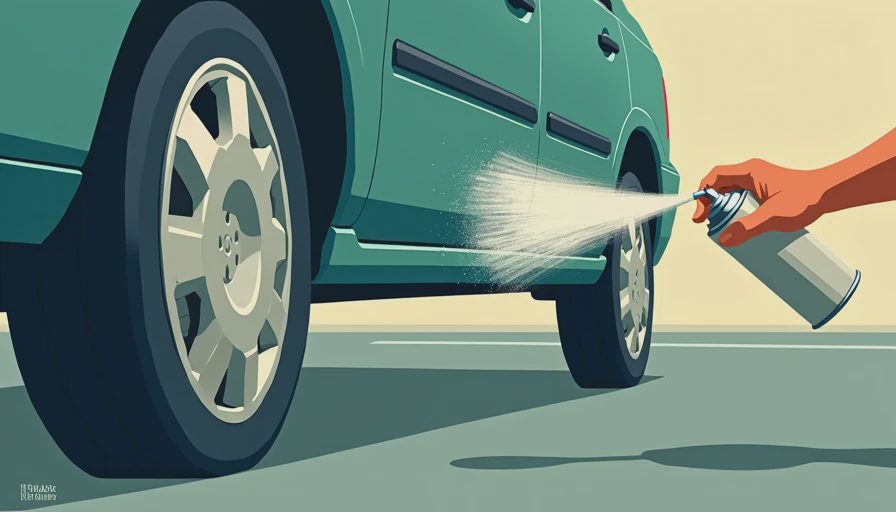
**Step 3:** Apply the spray in sweeping passes about 12 inches from the surface. Focus on seams, inside frame rails, and behind plastic liners.
**Step 4:** Let it cure as directed. Some products need 24 hours to set.
Here’s what I see go wrong most often: people spray too thin. You need a visible coating—a thin film won’t last until spring. For critical spots like subframe mounts, I like two coats.
Common Mistakes That Ruin Rust Prevention
Even the **best rust prevention spray for cars** fails if you skip these steps:
- **Applying over wet surfaces.** Moisture trapped under the coating will rust faster.
- **Forgetting hidden cavities.** Spray inside doors and rockers through existing drain holes.
- **Neglecting to clean the underbody after off-road or winter driving.** Salt residue eats through anything.
- **Using a cheap spray that washes off with soap.** Stick with reputable brands.
How Often Should You Reapply?
For most DIYers, once a year before winter is enough. If you drive in extreme salt areas or on gravel roads, do a midwinter touch-up. I pull the carpet and check the floor pans every spring. Surface rust? Spray more **best rust prevention spray for cars** and don’t panic.
Final Word: You Can Do This. Here’s the Safe, Right Way.
Rust prevention is one of the most satisfying DIY jobs because you can actually see the protection. It takes an afternoon and a few cans of quality spray, but it can add years to your car’s life. My personal choice for the **best rust prevention spray for cars** is Woolwax for its durability and self-healing properties. But Fluid Film is a close second if you want easier application.
Safety First: Never spray on a freshly painted surface that needs to be etched. Always check the product data sheet for compatibility with rubber and plastic. And torque your drain plugs to spec after applying rust spray—yes, the spec matters.
Remember: you don’t have to be a master tech to keep your car rust-free. Pick the right spray, prep the surface, and apply generously. Your car—and your wallet—will thank you.
Comments
No comments yet — be the first to share a thought.