
Does Synthetic Oil Extend Engine Life? What an ASE Master Tech Wants You to Know
Does synthetic oil extend engine life? Learn how it protects against heat, sludge, and wear, plus when it’s worth the extra cost.
A lot of drivers ask the same question after staring at the oil shelf: **does synthetic oil extend engine life**, or is it just a more expensive bottle with better marketing? After 22 years in dealership service, I can tell you the short answer is yes—**if** the engine gets the right oil, changed on time, and kept at the proper level. Synthetic oil is not magic, but it does give an engine better protection in several real-world situations that wear parts out early.
You can do this. Here's the safe, right way: understand what oil actually does before you spend extra. Engine oil lubricates moving parts, carries away heat, traps contamination in suspension, and helps prevent sludge and varnish. When oil breaks down, the engine pays for it in friction, deposits, and long-term wear.
Why synthetic oil can help an engine last longer
Synthetic oil is built to resist breakdown better than conventional oil. That matters because modern engines run hotter, use tighter internal clearances, and often rely on turbochargers, variable valve timing, and direct injection. Those systems are harder on oil than the old small-block engines many of us grew up with.
Here's what I see go wrong most often: drivers think any oil that feels slippery is good enough. It isn't. Synthetic oil typically handles heat better, flows faster during cold starts, and leaves fewer deposits behind. Cold starts are a big deal because a large share of engine wear happens in the first few seconds before full oil pressure stabilizes. In a cold climate like Minnesota, that faster flow is not a small advantage.
Synthetic also tends to hold its viscosity longer. That means a 0W-20 or 5W-30 oil is more likely to stay in the grade the engine was designed for over the full service interval. Better viscosity control means a stronger protective film between metal parts.

What synthetic oil does better than conventional oil
If you're still asking, does synthetic oil extend engine life, compare how each oil behaves under stress. Conventional oil can do a perfectly acceptable job in many engines, but it usually loses performance faster under heat, oxidation, and contamination.
Synthetic oil's biggest benefits are practical, not theoretical:
- Better cold-start flow in winter
- Stronger resistance to sludge formation
- Better high-temperature stability
- Improved protection in turbocharged engines
- More consistent lubrication during longer drain intervals when approved by the manufacturer
That does not mean you should double your oil change interval just because the label says synthetic. Follow the owner's manual or the oil-life monitor, especially if you do short trips, towing, repeated stop-and-go driving, or long idling. Those are severe conditions, and they age oil faster.
A good example is a turbocharged 4-cylinder. The turbo center section sees intense heat after a hard drive. Synthetic oil is much less likely to cook into carbon deposits there, which can help the turbo and the engine survive longer.
Safety First and Tool Check before your next oil change
If you want synthetic oil to actually help, the oil change has to be done correctly.
**Safety First:** Never work under a vehicle supported only by a jack. Use a level surface, quality jack stands rated for the vehicle, wheel chocks, gloves, and eye protection. Let the exhaust cool enough that you can work safely. Warm oil drains better, but hot oil burns skin fast.
**Tool Check:** Confirm the exact oil viscosity, oil specification, filter part number, drain plug washer type, socket size, oil filter wrench, drain pan capacity, funnel, torque wrench, and shop rags before you start. No guessing.
Torque to spec—and yes, the spec matters. Most passenger-car drain plugs land somewhere around 20 to 30 lb-ft, but you must verify your engine's spec before tightening. Spin-on oil filters are often tightened by gasket contact plus about three-quarters of a turn, while cartridge filter caps usually have a torque spec commonly in the 18 to 25 lb-ft range. Check the manual or service information for your exact setup.
When synthetic oil is absolutely worth the money
In my shop experience, synthetic oil is worth it for most drivers, and it's a clear yes in certain cases. If your vehicle has a turbocharger, start-stop operation, direct injection, or a manufacturer requirement for synthetic, don't cheap out. The extra cost per oil change is small compared with engine or turbo repairs.
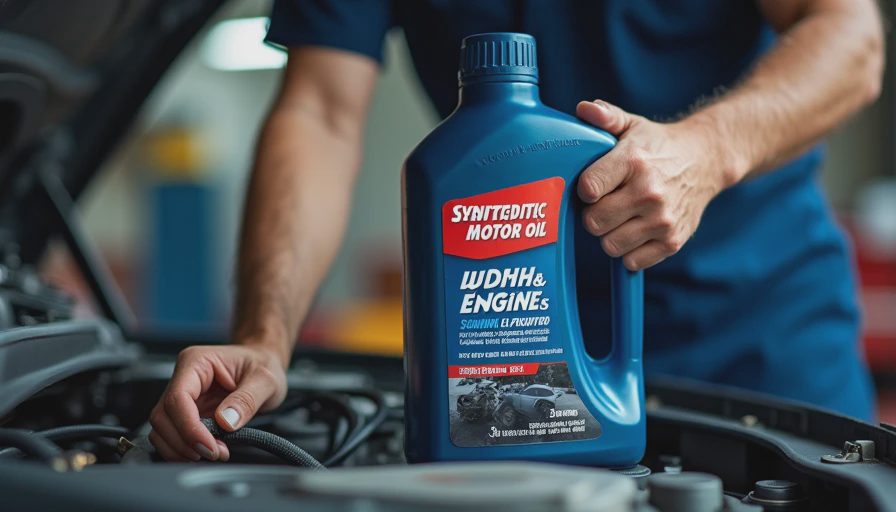
Synthetic also makes sense if you:
- Live where winters are harsh or summers are very hot
- Drive short trips where condensation and fuel dilution are common
- Tow, haul, or climb long grades
- Keep vehicles a long time
- Want cleaner internals over the long haul
On the other hand, if you have an older naturally aspirated engine with modest mileage and easy driving habits, a quality conventional or synthetic blend changed on schedule can still serve you well. The bigger mistake is neglect, not brand type. Low oil level, overdue changes, wrong viscosity, and cheap filters cause more engine damage than most people realize.
If your owner's manual calls for dexos, API SP, ILSAC GF-6, or another specific standard, match that standard first. The label matters as much as the word synthetic.
The bottom line: does synthetic oil extend engine life?
Yes, in a real and measurable way, synthetic oil can extend engine life by reducing wear during cold starts, resisting heat breakdown, controlling sludge, and protecting tight-tolerance modern engines better than conventional oil. But the full answer to **does synthetic oil extend engine life** is this: only when it's the correct oil, used with the correct filter, kept full, and changed on time.
If you want the best payoff, do the basics right. Check oil level regularly. Use the viscosity on the oil cap or in the manual. Replace the drain plug washer when required. Torque the drain plug to spec. Inspect for leaks after service. Stop and call a pro if the drain threads feel damaged, the filter housing is cracked, or the low-oil-pressure light stays on after startup.
My advice is simple: if your budget allows it, run a quality full synthetic from a reputable brand like Mobil 1, Pennzoil Platinum, Valvoline Extended Protection, Castrol EDGE, or the OEM-branded oil that meets your spec. It is one of the easiest ways to give your engine a better shot at a long, clean life.
Comments
No comments yet — be the first to share a thought.