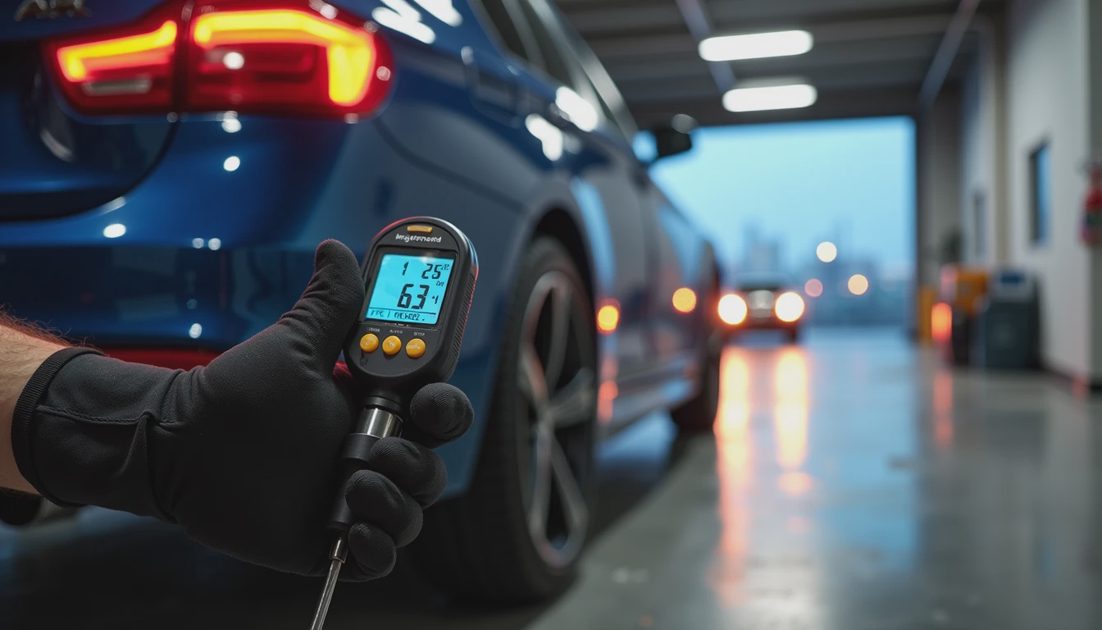
Basic car care every month can prevent breakdowns and keep repair bills from snowballing
Why This Matters (cost/safety/longevity payoff)
Here’s what I see go wrong most often with first-time car owners: they wait until something feels “really wrong” before they look under the hood or check their tires. By then, a small, cheap problem (low tire pressure, an ignored leak, overdue service) has had time to turn into a big, expensive one.
The payoff for doing the basics is real. Keeping tires at the correct pressure improves safety and handling, helps tires last longer, and can save fuel. Washing and waxing protects paint from corrosion (especially where road salt is used). And following the owner’s manual service schedule helps you avoid the kind of “cascade failures” that happen when one worn-out item damages others.
You can do this — here’s how to do it right, and when to hand it off to a pro.
What You Need to Know (specs, types, intervals)
Before you touch anything, know where your *official* specs live:
- Owner’s manual: This is your car’s maintenance “rule book.” It tells you what specific oil or fluid to use and what maintenance schedule to follow. If you didn’t get one, you can usually find it on the manufacturer’s website.
- Tire pressure placard: The correct tire inflation pressure is printed on a placard usually inside the driver’s doorjamb (sometimes inside the glove box or fuel-filler door). This placard is the spec — not the number molded into the tire sidewall.
Intervals the source calls out:
- Check tire pressure at least once a month and before any long trip.
- Wax jobs don’t last more than a few weeks at best (so plan accordingly).
- Follow the owner’s manual recommendations for oil-change intervals and major services like replacing the timing belt.
- If you tow or drive in hot, dusty conditions, it may be advisable to do some services more often than the manual suggests (the source specifically mentions oil and filter, air filter, and brake services).
What to DIY vs. what to outsource (per the source):
- Often DIY-friendly: checking tire pressure, washing the car, installing new windshield wipers.
- Better left to trained mechanics: oil changes, brake replacements, major repairs.
How It Works (step-by-step)
Safety First
- Work on a cool, stable vehicle parked on level ground whenever possible.
- If you’re checking tires in a parking lot or roadside area, stay out of traffic, use hazard lights, and keep yourself visible.
- If you notice diminished braking, steering problems, strong fuel smells, or significant fluid leaks, don’t “test drive it to see.” Park it and get professional help.
Tool Check (basic starter kit)
- Tire pressure gauge (the source prefers digital with an illuminated readout)
- Access to an air source (home compressor or a gas-station inflator)
- Basic car-wash supplies (soap made for cars, wash mitt, drying towel)
- Wax (paste or liquid is fine — source notes paste isn’t necessarily better)
- Replacement windshield wipers (correct fitment for your vehicle)
1) Read the owner’s manual (yes, really)
Why before how: The manual prevents wrong-fluid mistakes and wrong-interval habits. It also explains features you may not realize you have.
How:
1. Find the maintenance schedule section.
2. Note your oil-change interval and any “severe service” notes (towing, dusty, hot conditions).
3. Write down the specified fluids and any special instructions.
4. If you don’t have the manual, look it up on the manufacturer’s website.
2) Watch for warning signs early
Why: Catching issues early can prevent huge repair bills.
What to watch for:
- Unusual noises
- Unusual smells
- Fluid leaks
- Changes in performance like diminished braking, acceleration, or steering ability
If you notice any of those, don’t ignore them. Document what you see (when it happens, how often) and schedule a diagnosis.
3) Check and set tire pressure (monthly + before trips)
Why: Underinflated tires wear faster, waste gas, and degrade handling.
How:
1. Locate the tire pressure placard (driver’s doorjamb is most common).
2. Remove the valve cap on a tire.
3. Use your tire pressure gauge to measure current pressure.
4. Add air until you match the placard spec.
5. Repeat for all tires.
Pro Tip: Keep your tire pressure gauge in the car so you’re not tempted to “do it later.”
4) Wash and wax to protect paint
Why: Washing and waxing helps preserve paint from corrosive salt, bug splatter, bird droppings, and road grime.
How:
1. Wash regularly to remove grime and contaminants.
2. Wax for added protection — but keep expectations realistic.
Myth-buster (from the source):
- “Long-lasting wax” marketing is usually optimistic. No wax job lasts more than a few weeks at best.
- Paste wax isn’t necessarily better than liquid wax.
- Premium brands don’t necessarily outlast cheaper ones.
5) Know when to use a dealer vs. an independent shop
Why: Smart shopping saves money, and warranties matter.
Guidance from the source:
- If your car is new or almost new and under warranty, use the dealership for repairs where warranty work is free.
- For expensive out-of-pocket repairs, call several repair shops and get more than one estimate.
- You don’t have to go to the dealer for scheduled maintenance (tire rotations, oil changes, tune-ups) and it won’t void your warranty if you don’t.
Common Mistakes (myths, pitfalls, warnings)
- Using the tire sidewall number as the target pressure. The source is clear: use the placard spec.
- Only checking tire pressure when the tire “looks low.” Make it a routine: once a month and before long trips.
- Ignoring small leaks or smells. Early action prevents “mystery failures” later.
- Assuming ads are truthful about wax durability. Plan on waxing more often than marketing suggests.
- Skipping the owner’s manual. This leads to wrong fluids, wrong intervals, and missed major services like the timing belt schedule.
- Believing dealer service is the only way to keep your warranty. The source notes scheduled maintenance at non-dealers won’t void your warranty.
Bottom Line (summary, recommended action)
If you only build a few habits, make them these: read your owner’s manual, check tire pressure monthly and before trips, stay alert to leaks/noises/smells, and follow the manual’s maintenance schedule (adjusting more frequently if you tow or drive in hot, dusty conditions). That’s the difference between a car that quietly does its job for years and one that surprises you with avoidable repair bills.