Car Maintenance: A Safe, Practical Guide for DIY Drivers
Car maintenance made simple: follow a safety-first service schedule, use the right tools, check torque specs, and know when to call a professional.
The most expensive car maintenance mistake is not missing an obscure service item. It is ignoring small warning signs until a minor repair becomes a tow bill. As an ASE Master Technician, I have seen low oil, underinflated tires, worn belts, and neglected brake fluid turn into avoidable failures. You can do this. Here's the safe, right way.
Start With a Maintenance Schedule
Your owner's manual is the primary source for car maintenance intervals because mileage, engine design, driving conditions, and fluid types differ. A vehicle driven short trips in Minneapolis winter traffic works harder than one cruising 20 miles on warm, dry roads each day. Severe-service schedules often call for more frequent oil changes, inspections, and fluid replacement.
Write down the vehicle identification number, current mileage, engine size, tire size, and last service date. Keep receipts in a folder or use a notes app. For many gasoline vehicles, an oil and filter change falls somewhere around 5,000 to 10,000 miles, but the manual wins over a sticker on the windshield. Rotate tires according to the manufacturer schedule, commonly every 5,000 to 8,000 miles, and inspect the brakes whenever the wheels are removed.
A simple monthly check catches problems early. Look at oil and coolant levels, tire pressure, exterior lights, windshield washer fluid, and the ground beneath the vehicle. A dark wet spot does not identify a fluid by itself, so note its color, smell, and location before assuming it is an oil leak.
Safety First and Tool Check
Safety First: Never work under a vehicle supported only by a jack. Park on level ground, set the parking brake, switch off the engine, and use wheel chocks. Wear safety glasses and gloves. Let the exhaust and engine cool before checking belts, hoses, or fluids. If you lift a vehicle, place it on properly rated jack stands at the specified lift points.
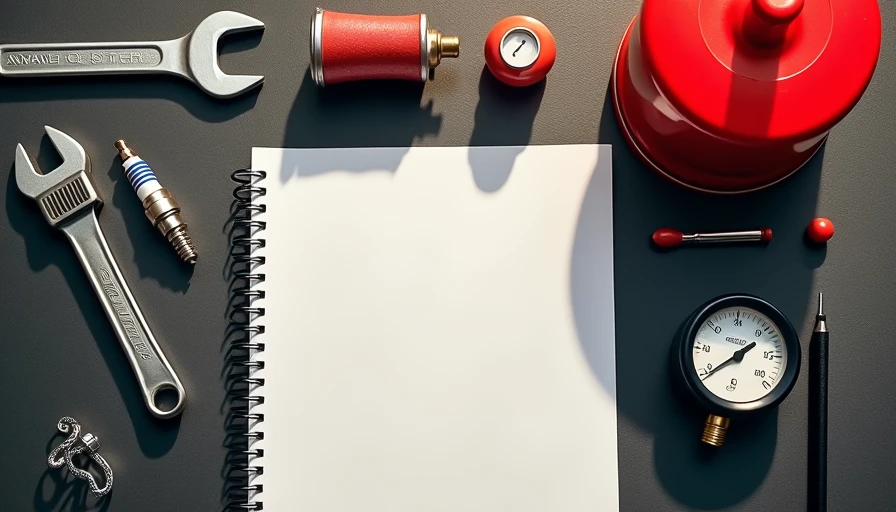
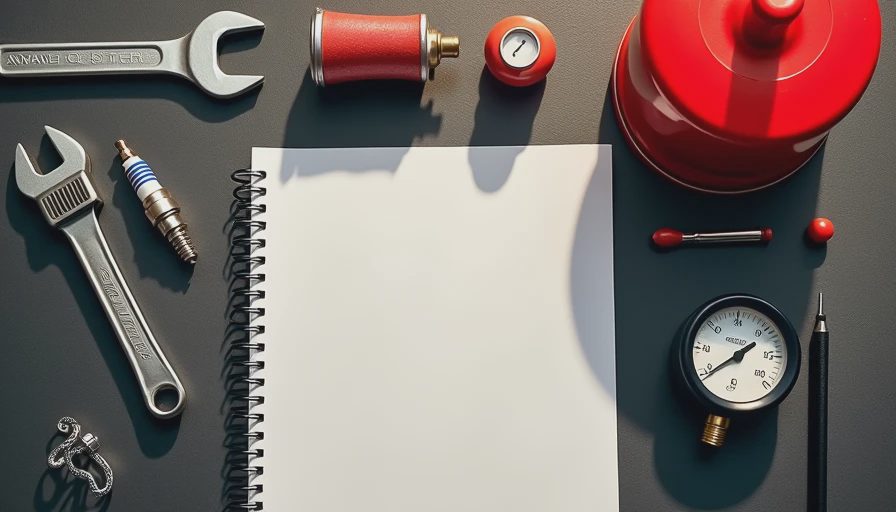
Tool Check: For routine car maintenance, keep a calibrated torque wrench, floor jack, jack stands, wheel chocks, tire-pressure gauge, metric and SAE socket sets, ratchets, screwdrivers, a drain pan, funnel, work light, and nitrile gloves nearby. Use a fluid-transfer pump for gear oil and a scan tool rated for your vehicle when diagnosing warning lights. A $25 to $60 torque wrench is cheaper than replacing a stripped drain plug or broken wheel stud.
Torque to spec, and yes, the spec matters. Wheel lug torque, drain-plug torque, battery-terminal fastener torque, and spark-plug torque vary by vehicle. Find the value in the service information for your exact year and model. Never copy a number from a different car simply because the threads look similar.
The Essential Under-Hood Checks
Begin with the engine off and parked level. Check the oil after following the manual's instructions; some engines require a few minutes of drain-back, while others specify a cold reading. Pull the dipstick, wipe it clean, reinstall it fully, and check again. The oil should sit between the marks. Do not overfill. One extra quart can create problems in some engines, including foaming and crankcase pressure.
Inspect coolant only when the engine is cold. The level should be between the reservoir markings. Never remove a radiator cap from a hot engine. Coolant is poisonous to people and animals, so clean spills immediately and store containers securely. If the level keeps dropping, stop treating it as routine car maintenance and look for a leak or have the cooling system pressure-tested.
Look for cracked serpentine belts, swollen hoses, loose clamps, and oil around the valve cover or front cover. A belt with missing ribs or deep cracks deserves prompt replacement. If you hear squealing, grinding, or a rhythmic chirp, do not spray belt dressing on it and hope for the best. Find the cause first.
Brake fluid should be checked at the reservoir, not topped off repeatedly to hide a problem. As brake pads wear, fluid level can fall slightly; a sudden drop may indicate a leak. Never mix fluids unless the manual permits it, and never use power-steering fluid in a brake reservoir.
Tires, Brakes, and Battery
Tires are the only parts connecting your vehicle to the road, so pressure is a safety item rather than a comfort preference. Use the pressure listed on the driver's door label, not the maximum molded into the tire sidewall. Check all four tires and the spare when the tires are cold. Uneven wear can point to alignment, suspension, inflation, or rotation problems.
For brake inspection, look through the wheel openings for friction material and rotor condition. A squeal does not always mean the pads are finished, while grinding usually means you should stop driving except to reach a repair facility. Pulsation through the brake pedal, pulling during braking, or a soft pedal also deserves prompt attention. Brake hardware has vehicle-specific torque values, so use the repair manual rather than guessing.
Battery terminals should be tight and free of heavy corrosion. Before disconnecting a battery, know whether the vehicle has radio codes, electric seat memory, or a battery-management sensor. Many newer vehicles require battery registration after replacement. A battery test is more useful than judging its condition by appearance; cold weather exposes weak batteries quickly.

A Smart DIY Service Sequence
When changing engine oil, first confirm the correct oil viscosity, filter, drain-plug gasket, capacity, and torque specification. Warm oil flows better, but avoid burns. Raise the vehicle safely, remove the drain plug with the pan positioned correctly, and let the oil drain fully. Replace the gasket when required, install the new filter according to its instructions, and torque the plug to the exact specification.
Add most of the stated capacity, wait a minute, and verify the dipstick rather than pouring in everything blindly. Start the engine briefly, inspect for leaks, shut it off, wait, and check again. Record the mileage and dispose of used oil at an approved collection location. This is basic car maintenance, but rushed filter installation and cross-threaded plugs cause plenty of unnecessary repairs.
Air filters, cabin filters, wiper blades, and light bulbs are usually approachable jobs. Photograph connector positions before unplugging anything. Keep removed fasteners organized by location. If a connector will not release, stop pulling harder; many use a locking tab that must be pressed or slid first.
When to Stop and Call a Professional
DIY work becomes unsafe when you lack stable lifting equipment, cannot identify a fluid, or encounter a seized fastener that could damage an aluminum housing. Stop for fuel leaks, high-voltage hybrid or EV components, an overheating engine, a flashing check-engine light, loss of brake pressure, or steering looseness. A flashing check-engine light can indicate a severe misfire that may damage the catalytic converter, so continuing to drive is a poor gamble.
A professional inspection is also smart before a long trip or after hitting a deep pothole. Ask for written findings, photos when useful, and the measured brake-pad thickness or tire tread depth. Good car maintenance is not about proving you can do every job in the driveway. It is about making sound decisions before a small defect becomes a roadside emergency.
For routine work, compare parts and service prices from reputable suppliers and local shops. A synthetic oil change might cost roughly $60 to $120, while a battery, brake service, or tire replacement can run several hundred dollars depending on the vehicle. Spending an hour on inspections can help you plan that expense instead of discovering it after a breakdown.
Your Repeatable Maintenance Routine
Set one calendar reminder for a monthly inspection and another for mileage-based service. On inspection day, check fluids, leaks, tire pressure, lights, wipers, and warning messages. At every oil service, inspect the belt, hoses, battery, brakes, and underbody. After any repair, take a short test drive in a safe area, listen for unusual sounds, and recheck for leaks.
Keep the manual, torque references, service records, and emergency supplies in one place. Use the correct jack points, tighten wheel lugs in a star pattern, and recheck lug torque after driving the distance specified by the wheel or vehicle manufacturer. That disciplined routine is what turns car maintenance from a stressful chore into a predictable skill. Safety First, use the right tool, torque to spec, and stop when the job exceeds your equipment or experience.
Comments
No comments yet — be the first to share a thought.