Sidewall Puncture: What to Do, What Not to Repair, and When to Replace the Tire
Sidewall puncture damage usually means tire replacement, not repair. Learn the safe roadside steps, what to inspect, costs, and when to call a pro.
A sidewall puncture is one of those tire problems that makes people reach for a plug kit and a can of spray sealant before they stop to think. That is the wrong move more often than not. The sidewall flexes every time the tire rolls, and once that structure is cut or pierced, the repair is usually not reliable. You can do this. Here's the safe, right way.
Why the tire sidewall is different
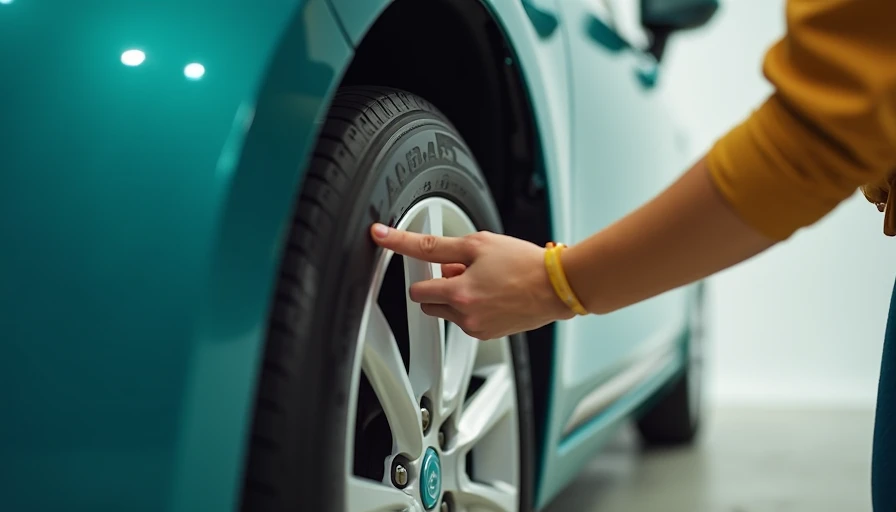
A sidewall puncture is different from a tread puncture because the sidewall is part of the tire’s flex zone, not the thick, reinforced area that sits under the tread. That flex generates heat, and heat is what turns a questionable repair into a failure. A plug may hold air for a while, but it does not restore the cords that give the tire its shape and strength. When I inspect one in the shop, I look for a nail, a tear, a cut from road debris, and any bulge that tells me the internal belts are damaged. If the damage is in the sidewall, I treat the tire as finished.
Here’s what I see go wrong most often: a driver gets a slow leak on the shoulder of the road, inflates the tire twice, and keeps driving to work. That can turn a small sidewall puncture into a shredded tire and a bent wheel. The safer choice is to reduce speed, get off the road, and inspect the tire before the carcass heats up and fails completely.
Safety First: park on level ground, set the parking brake, and use wheel chocks if you have them. If you are changing a tire at the roadside, keep your body out of traffic and do not crawl under the vehicle. Tool Check: flashlight, lug wrench, jack, jack stand if you are in a driveway or garage, tire pressure gauge, gloves, and the spare tire or tire inflator kit that came with the vehicle. If the wheel has a locking lug nut, find the key before you start. Torque to spec — and yes, the spec matters.
What to do at the roadside
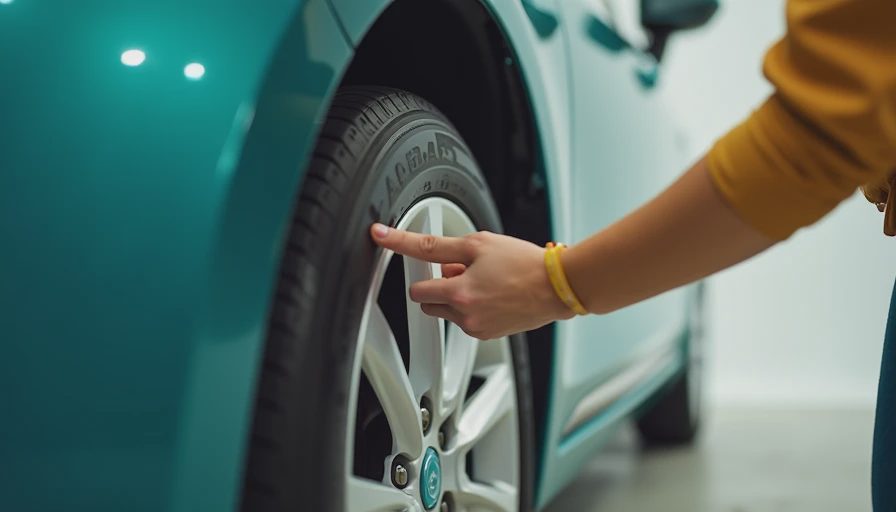
If you are stuck with a sidewall puncture on the shoulder, the first goal is to make the car visible and stable. Turn on the hazards, get clear of traffic, and inspect the tire only when it is safe to stand still. If the tire is visibly flat, swap to the spare if your vehicle carries one and you know how to use it. A compact spare is meant for short trips and lower speeds, usually 50 mph or less, so treat it as a get-home tool, not a normal tire. If the tire is a run-flat, do not assume it can keep going for miles after a puncture; many run-flats still need a shop visit soon.
When you install the spare, snug the lug nuts in a star pattern, lower the car fully, and torque them to the manufacturer specification. On many passenger cars that lands somewhere around 80 to 100 lb-ft, but the owner’s manual wins every time. If you do not have a spare, the tire is shredded, or the wheel is damaged, call for roadside assistance and a tow. A tow bill is annoying, but it is cheaper than a crash caused by a failed tire.
What the tire shop will tell you
When a tire shop sees a sidewall puncture, the answer is usually replacement, not repair. That is not upselling; it is how the tire is built. The industry repair standards for passenger tires allow certain tread-area repairs, but sidewall damage falls outside that normal repair window. If the puncture is near the shoulder but still in the tread area, a tire professional still has to inspect it closely before approving anything. Once the sidewall is involved, the safe call is almost always a new tire.
Budget matters, so plan for a replacement in the roughly $120 to $300 range for many common passenger-car tires, with mounting and balancing often adding another $20 to $40 per tire. Larger trucks, performance tires, and some all-weather models cost more. If you have a tire-road-hazard plan through a dealer, Costco, or a local tire chain, it can soften the hit. Some auto policies also include towing or roadside coverage, which helps when the tire is not worth saving.
How to avoid the next one
The best way to avoid a sidewall puncture is to keep enough air in the tires and pay attention to what the tire is scraping against. Underinflated tires flex too much and are easier to pinch on pothole edges, curbs, and broken pavement. Check pressure once a month and before long trips with a decent gauge, not just the dash light. The number on the door jamb sticker is the one to use. If the tire looks bruised after a hard hit, have it inspected that day instead of waiting for the next fill-up.
A lot of tire failures start with everyday habits. Drivers cut corners, brush curbs, and let low pressure run for weeks because the car still drives straight. That is how a small defect turns into a sidewall puncture or a bubble that shows up later on the interstate. In winter, frozen potholes make the problem worse because the tire gets hit harder and the rubber is less forgiving. Slow down for rough pavement, and if you carry a lot of cargo, keep the tires at the correct pressure for the load.
When to stop and call a pro
Stop and call a pro if the sidewall puncture came with a bent wheel, a TPMS warning that keeps coming back, a bulge, visible cords, or a tire that loses pressure again after being aired up. Those are signs that more than a simple repair is on the table. If the car shakes after the flat, the wheel may need balancing or replacement. If you hit something sharp enough to cut the tire and damage the rim, that is a good time to let a shop inspect the suspension too, especially on a front-wheel-drive car that took the hit at speed.
My rule is simple: if the damage is in the sidewall, do not gamble on a patch, and do not keep driving because the tread still looks good. Replace the tire, torque the wheel correctly, and get back on the road with a tire you can trust. That is the safe, right way.
Comments
No comments yet — be the first to share a thought.