What Does a Bad Caliper Sound Like? A Mechanic’s Guide to Brake Noise
what does a bad caliper sound like? Hear the squeal, scrape, and grind clues, then learn quick checks, safety tips, and repair costs before damage spreads.
A lot of drivers blame the pads first, but what does a bad caliper sound like is usually a story about heat, drag, and uneven wear. A stuck caliper can make a light squeal at first, then a scraping noise, and finally a hard grind if the pads run down to metal. Sometimes the first clue is not the sound at all. It is a car that pulls to one side, a wheel that smells hot after a short drive, or one front wheel that is much warmer than the others.
Safety First: if you hear a sudden grinding noise, smell burning, or see smoke around one wheel, do not keep driving it around the block to “see if it goes away.” That is how a cheap repair turns into a rotor, pad, hose, and caliper job.
What does a bad caliper sound like when it is just starting?
The early sound is often a brake squeal that shows up after a few miles, especially after the car has sat overnight. A seized slide pin or piston keeps one pad touching the rotor just enough to sing. On a dry road, you may hear it more when you are not on the brake pedal because the pad is already dragging. On a harder stop, the sound can change to a harsh scrape as the pad gets cooked and the rotor develops hot spots. When I inspect brakes, I also look for one wheel with darker dust than the others, because that is often the wheel doing the extra work.
If the sound gets louder after a highway exit or a long downhill, think heat. A caliper that is not releasing can overheat the pad material, glaze the rotor, and boil the brake fluid in that corner. Once that happens, the noise gets worse and the braking feel can go soft or grabby.
How to separate caliper noise from pads, rotors, and bearings
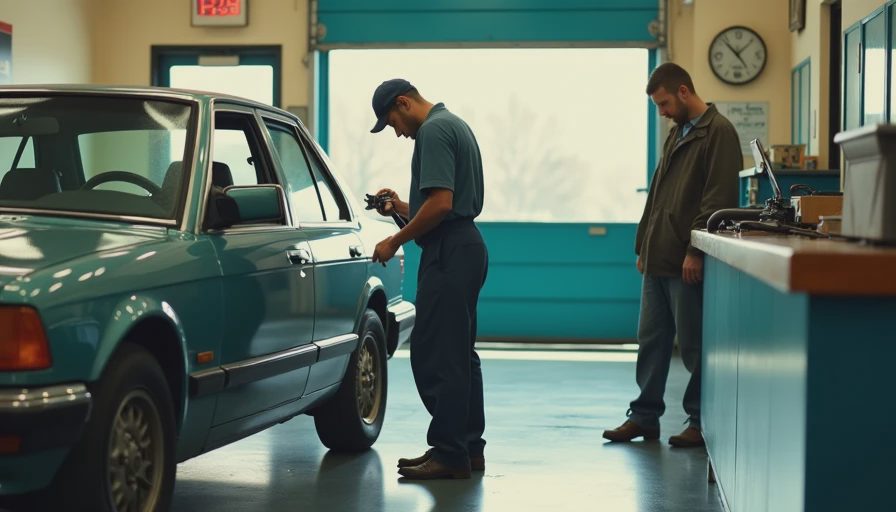
A worn pad usually makes a steady squeal that changes with pedal pressure. A warped or rusted rotor usually gives you a rhythmic scrape or pulse that matches wheel speed. A wheel bearing hum is more of a growl that gets louder with speed and changes when you steer left or right. A bad caliper is different because the sound often starts after braking, then sticks around when you let off. That drag is the clue.
What does a bad caliper sound like on a parking-lot test? Often it is a single corner making a faint metallic whisper as the car rolls slowly, then a heavier scrape once the brakes get warm. If you jack up the car safely and spin the wheel by hand, the bad corner may be harder to turn than the others. You might also see one pad worn much thinner than the pad on the other side of the rotor.
Tool Check and a safe driveway inspection
Tool Check: floor jack, jack stands, wheel chocks, flashlight, mechanic’s gloves, a lug wrench, and if you have one, an infrared thermometer. Do not use the jack alone as a support. Chock the opposite wheels and crack the lug nuts loose before you lift the car.
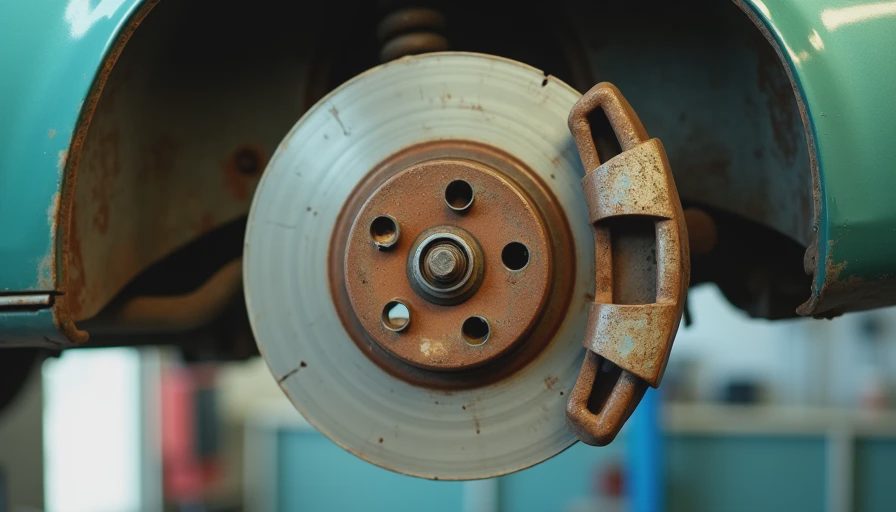
With the wheel off, inspect the caliper slide pins for torn boots, rust, or dry movement. Check the outer and inner pads for uneven wear. If one pad is almost gone while the other still has meat left, the caliper or slide hardware is suspect. Spin the rotor by hand. A dragging wheel will feel rough or hard to move. After a short drive, an infrared thermometer helps a lot: one front rotor that is 50 to 150 degrees hotter than the other side is a big clue that something is sticking.
If you remove the wheel, torque the lug nuts back to the exact factory spec when you are done. Many passenger cars land in the 80 to 100 lb-ft range, while many trucks are higher, often 100 to 140 lb-ft, but the service data for your exact vehicle is the number that matters.
What the repair usually costs before the damage spreads
A sticky caliper is cheap to ignore for about ten minutes and expensive to ignore for a month. A basic pad and rotor job may run about $300 to $700 on one axle at an independent shop, while a single caliper replacement can land around $250 to $600 per corner depending on the vehicle and parts quality. If the caliper cooks the rotor, ruins the pads, and damages the brake hose, the bill climbs fast. On some vehicles, a reman caliper plus pads and rotors is still a sensible repair; on others, especially newer models, OEM parts are worth the extra money because the slide hardware and piston finish are better matched.
Torque to spec matters here too. Caliper slide pin bolts are commonly in the 20 to 35 lb-ft range, and bracket bolts are often much tighter, sometimes 70 to 120 lb-ft. Those are common ranges, not universal numbers. If you do not have the factory spec, stop and look it up before you tighten anything.
When to stop driving and call a pro
If the car pulls hard under braking, the wheel is smoking, the pedal feels soft after one hot stop, or the parking brake warning comes on with a hot smell, park it. A brake hose can collapse internally, a piston can seize in the bore, and either one can make the problem look random when it is not. That is the point where a professional inspection saves money, not just time.
What does a bad caliper sound like when it has crossed from nuisance to damage? By then it is usually a scrape or grind that does not fade, and the wheel may be much hotter than the rest after a short drive. If you hear that, do the safe thing and get it checked before the rotor, pads, and fluid all pay the price. You can do this. Here’s the safe, right way.
Comments
No comments yet — be the first to share a thought.