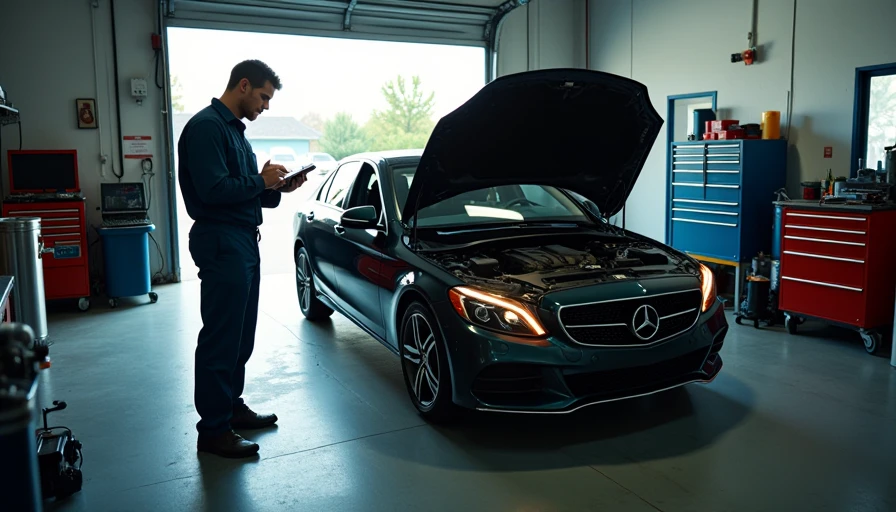
Transmission Oil Temperature High: What to Do Before Damage Starts
Transmission oil temperature high? Learn what the warning means, safe checks to make, fluid and cooling faults to find, and when to stop driving and call a pro.
A transmission oil temperature high warning is not a message to ignore until your next oil change. It means the transmission fluid has exceeded, or is approaching, a temperature range the vehicle considers unsafe. Heat breaks down fluid, hardens seals, reduces clutch friction control, and can turn a small cooling problem into an expensive transmission repair. You can do this. Here's the safe, right way.
What the warning actually means
Automatic transmissions generate heat whenever the torque converter slips, gears change, or the vehicle works hard. Normal fluid temperature depends on the vehicle, load, outside temperature, and transmission design. Many automatic transmissions operate roughly between 160 and 200 degrees Fahrenheit, while towing, climbing, or stop-and-go traffic can push temperatures higher.
When the computer detects excessive temperature, it may command earlier upshifts, reduce engine power, or hold a lower gear to protect the unit. Some vehicles display a message such as transmission oil temperature high, while others illuminate a transmission, check-engine, or powertrain warning light. The exact threshold is programmed by the manufacturer, so do not treat one universal temperature as a pass-or-fail rule.
A hot warning can come from towing beyond the vehicle's rating, driving through deep sand, repeated hard acceleration, a plugged transmission cooler, low fluid, incorrect fluid, a failing cooling fan, or internal transmission slip. The warning tells you there is heat; it does not identify the failed part.
First response: protect yourself and the transmission
Safety First: If the warning appears while driving, reduce throttle, turn off cruise control, and move to a safe shoulder or parking area. Avoid stopping on a narrow shoulder if you can safely reach a lot or rest area. Do not crawl under a running vehicle, and never open a hot radiator or coolant reservoir cap. Transmission fluid and exhaust parts can cause severe burns.
If the vehicle is slipping, refusing to move, banging into gear, producing smoke, or leaking a large amount of red, brown, or dark fluid, shut it off and arrange a tow. Continuing for even a few miles can damage clutch packs and hard parts. A temperature warning that disappears after a cool-down still deserves diagnosis; the underlying cause has not necessarily gone away.
Place the transmission in Park, set the parking brake, and wait at least 30 minutes before inspecting anything near the drivetrain. Look for fresh fluid under the vehicle without touching it. A small wet spot near the transmission pan is useful information, but do not assume the fluid is transmission oil. Engine oil, coolant, power-steering fluid, and air-conditioning water can land in similar areas.
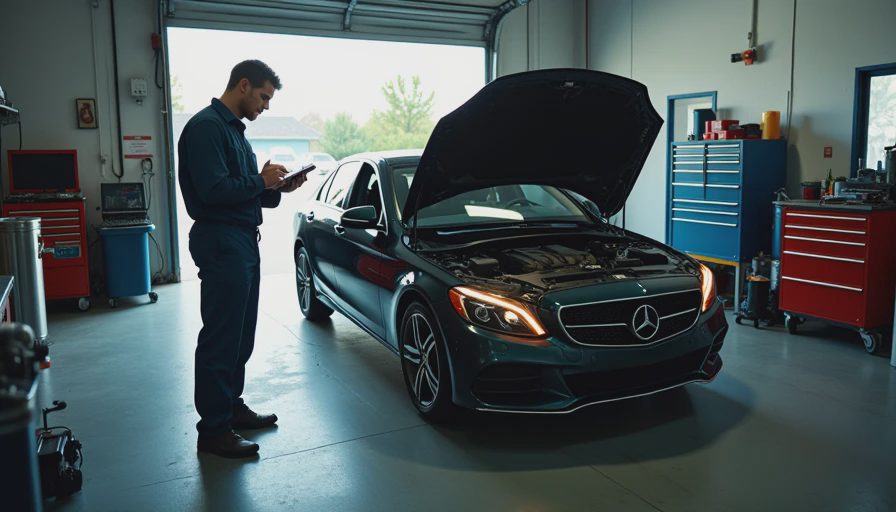
Tool Check: what you can inspect at home
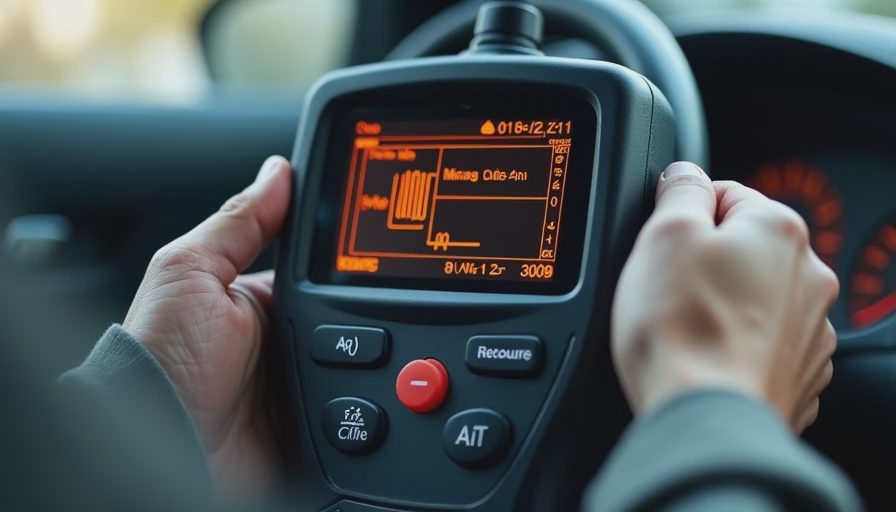
You do not need a lift to perform the first checks. Gather a flashlight, clean shop towels, safety glasses, nitrile gloves, cardboard for leak detection, an infrared thermometer, and the owner's manual. An OBD-II scanner that can read transmission data is helpful, but a basic code reader may not display temperature or manufacturer-specific codes.
The manual will tell you whether the transmission has a dipstick, the approved fluid type, the checking temperature, and the checking procedure. Some newer units are sealed and use an overflow or level plug instead of a dipstick. Do not remove a level plug on a hot transmission unless the service procedure specifically calls for it. Fluid can spray out, and the correct level often depends on a narrow temperature range.
If your vehicle has a dipstick, check the level exactly as directed. Some procedures require the engine idling in Park; others require moving the selector through each range first. A low reading can indicate a leak, but adding fluid blindly can cause foaming and erratic shifting. Use only the specified fluid. Dexron VI, Mercon LV, Toyota WS, Honda ATF DW-1, and CVT fluid are not interchangeable simply because they are all sold as transmission fluids.
Common causes of excessive transmission heat
The simplest cause is workload. A trailer, roof cargo, steep grade, deep snow, or repeated low-speed maneuvering can create substantial heat. If the transmission oil temperature high message appears during a long climb and clears after a proper cool-down, review the owner's towing guidance and use the recommended tow/haul mode. Tow/haul changes shift timing and helps reduce unnecessary gear hunting; it does not make an overloaded trailer safe.
Cooling problems are also common. Many vehicles route transmission fluid through a cooler inside the radiator or through a separate external cooler. A damaged cooler line, bent cooler fins, blocked airflow, failed radiator fan, or low engine coolant can reduce heat transfer. Mud and road debris packed into an external cooler can be cleaned carefully with low-pressure water, but bent fins and leaking lines need repair.
Internal slip is more serious. If engine speed rises without a matching increase in road speed, the clutches may be slipping. Delayed engagement, shuddering, harsh shifts, or a burnt odor on the dipstick are additional warning signs. Changing fluid can sometimes improve shift quality when maintenance is overdue, but it will not repair worn clutch material or a failing pump.
A safe diagnostic sequence
Start with stored diagnostic trouble codes and freeze-frame information. Record the code numbers rather than relying on a generic description. Check fluid level and condition, inspect cooler lines, and look for evidence of leaks. With the vehicle fully cool, compare the temperature of the transmission cooler inlet and outlet after a short drive using an infrared thermometer. This is only a screening test because surface readings are not the same as fluid temperature.
Do not use a floor jack alone to support a vehicle. If an underside inspection is necessary, use a level surface, properly rated jack stands, wheel chocks, and the factory lift points. Keep clothing, hair, and hands away from rotating components. Never loosen a transmission pan, cooler line, or fill plug simply to see what happens.
Torque to spec — and yes, the spec matters. Pan bolts, drain plugs, cooler fittings, and level plugs have vehicle-specific torque values. A common drain-plug range on some vehicles might be around 15 to 25 pound-feet, but that is not a universal specification. Use the service manual or a reliable repair database for your exact year, engine, and transmission. Over-tightening can strip an aluminum case; under-tightening can create a leak.
When you should stop driving
Treat the warning as urgent if it returns quickly, appears during ordinary flat-road driving, or arrives with slipping, violent shifts, a flashing check-engine light, fluid leakage, or a burning smell. Do not try to cool the transmission by pouring water over the case. Thermal shock can damage components, and water will not correct low fluid or internal friction.
A shop can verify live temperature data, pressure, commanded gear, converter slip, and cooler flow. Ask for those findings instead of approving an automatic flush based only on a dark fluid sample. Some transmissions require a drain-and-fill, while others need a controlled service procedure. A power flush can be inappropriate on certain high-mileage or damaged units, especially when the shop cannot confirm the correct equipment and fluid.
Preventing the next temperature warning
Follow the maintenance schedule for fluid inspection and replacement, particularly if you tow, drive in mountainous terrain, or spend winter navigating deep snow. Keep the engine cooling system healthy, because the radiator and transmission cooler often share airflow or fluid paths. Inspect for leaks at every oil change and pay attention to new shift behavior.
If you tow regularly, confirm the vehicle's rated capacity, use the correct trailer setup, and consider an approved auxiliary cooler when the manufacturer allows one. Do not install a universal cooler without understanding line fittings, mounting, airflow, and bypass requirements. The cheapest prevention is usually catching a damp cooler line before it becomes an empty transmission.
A transmission oil temperature high warning is a request for action, not a reason to panic. Cool the vehicle safely, check the basics with the correct tools, document any codes or leaks, and stop when symptoms point to internal damage. A careful diagnosis now can protect the transmission and save you from replacing it later.
Comments
No comments yet — be the first to share a thought.