White Gunk on Oil Cap: What It Means and What to Do Next
White gunk on oil cap? Learn the common causes, safe inspection steps, and when that milky residue means a coolant leak before it gets worse on cold starts.
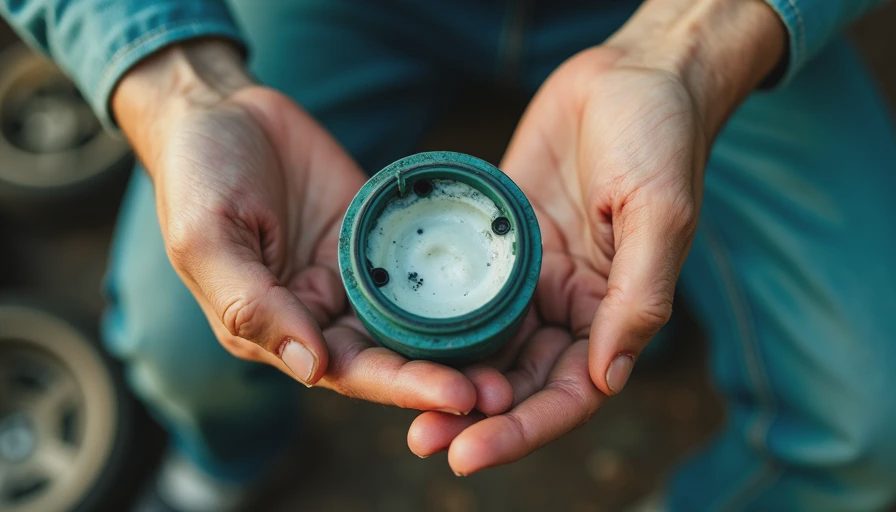
A lot of drivers panic the first time they pull the cap and see white gunk on oil cap, but that creamy film is not an automatic death sentence for the engine. In cold weather, and especially on cars that make short trips, moisture can collect in the crankcase and turn into a tan or white sludge on the underside of the cap. I have seen this on everything from a Toyota Camry to a Chevy Malibu. The trick is separating normal condensation from a coolant leak before you start guessing.
Why white gunk on oil cap shows up
The most common cause is plain moisture. When an engine never gets fully hot, water vapor from combustion does not boil off the crankcase. It mixes with oil vapor and makes an emulsion that looks like mayonnaise. A commuter that runs five minutes to work, idles in a long school pickup line, or sits through a Minnesota winter will show this more often than a highway car that gets a 30-minute run each week. If the film is light, the oil on the dipstick is still clean, and the coolant level is steady, you are usually looking at condensation rather than a hard failure.
The other possibility is coolant getting into the oiling system. That is the one you do not ignore. Watch for a falling coolant reservoir, a sweet smell from the exhaust, white smoke after warm-up, overheating, a milky dipstick, or oily residue in the coolant bottle. When I see white gunk on oil cap plus any two of those symptoms, I start thinking head gasket, intake gasket on some engines, or a cracked component that needs a real diagnosis. That is the point where a cheap guess can get expensive.
Safety First and Tool Check
Safety First: Let the engine cool before you touch the oil cap, radiator cap, or coolant reservoir. Hot oil mist and pressurized coolant can burn you in a hurry. Park on level ground, set the parking brake, and keep loose sleeves clear of moving parts. If the engine is running rough or overheating, shut it down and skip the driveway heroics.
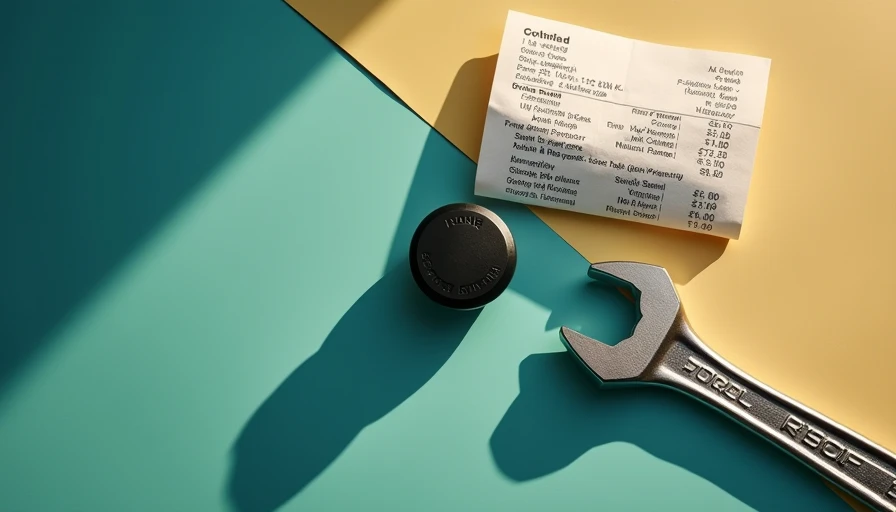
Tool Check: You only need a bright flashlight, a clean white paper towel, nitrile gloves, and your owner’s manual. Open the cap, look at the underside, and wipe a little residue onto the towel. True condensation usually looks pale tan or white and wipes away easily. Heavy black sludge, thick pudding, or streaks that come back within a day point me toward deeper trouble. Check the dipstick too. If the oil itself is black and normal, that is reassuring. If it looks frothy or milky, stop there and get a diagnosis.
This is also the right time to check the coolant level when the engine is cold. I want the level between the marks, not below them. A low reservoir does not prove a head gasket problem by itself, because a hose clamp, water pump, thermostat housing, or radiator tank can leak and let the system run low. Still, white gunk on oil cap paired with coolant loss deserves attention fast.
When white gunk on oil cap points to a cooling-system problem
Here is what I see go wrong most often: a driver notices the residue, tops off the oil, and keeps driving for weeks while the coolant level drops. By the time the car overheats, the repair bill has doubled. If you have repeated sludge, a sweet exhaust smell, misfires on startup, or pressure in the cooling system after an overnight sit, it is time for a pressure test and, if needed, a combustion-gas test. Those checks cost far less than a cooked engine. At many independent shops, the diagnostic fee is often in the $100 to $200 range, while a confirmed head gasket job can climb into the low thousands fast depending on the vehicle.
At that stage, do not keep tightening the cap, do not pour in sealants, and do not assume a thicker oil will hide the issue. The right move is a proper diagnosis. On some engines, a bad PCV valve can also build moisture and sludge, so a good shop will inspect crankcase ventilation, cooling-system pressure, and oil condition before they sell major repairs. If you remove a valve cover for inspection, torque to the factory spec in sequence; those bolts are often low-inch-pound fasteners, and overtightening warps the cover fast. Torque to spec — and yes, the spec matters. If the cap residue is the only symptom and the car drives normally, I still like to monitor it after a long highway run and another oil check a few days later.
How to keep it from coming back
If the engine checks out, the cure is usually simple habits. Give the car one decent drive each week so it reaches full operating temperature. A 20- to 30-minute highway loop is better than three cold starts around town. Keep up with oil changes using the viscosity on the oil cap or in the owner’s manual, because the wrong oil can make sludge worse in cold weather. If the PCV valve is serviceable on your engine, replace it on schedule rather than waiting for a problem.
If you do find a leak, fix the leak first. A weak radiator cap, seeping water pump, cracked hose, or leaking thermostat housing can all leave the system low and set up condensation problems later. After any cooling-system repair, recheck the oil cap over the next week. If the residue disappears and the dipstick stays clean, you were probably dealing with moisture, not internal damage. If it keeps returning after longer drives, move it to the shop before the repair turns into a tow.
You can do this. Here's the safe, right way: inspect it cold, compare the cap to the dipstick and coolant level, and pay attention to patterns instead of one dirty cap. White residue by itself is often just a winter or short-trip problem. White gunk on oil cap with coolant loss, overheating, or frothy oil is a different story, and that one deserves professional testing before you gamble on the next commute.
Comments
No comments yet — be the first to share a thought.