A lot of DIY videos make an oil change look like a two-minute job: pull the drain plug, spin on a filter, pour oil, done. That is exactly how stripped oil pans, loose filters, and underfilled engines happen. This **diy oil change step by step** guide is built the way I teach it in the shop: safety first, tools ready, specs checked, and no guessing. You can do this. Here's the safe, right way.
Why doing it methodically matters
Engine oil is your engine's working fluid for lubrication, cooling, and contaminant control. Get the level wrong, use the wrong viscosity, or leave the drain plug loose, and a simple maintenance job can turn expensive fast. Here's what I see go wrong most often: the car is lifted unsafely, the drain plug gets over-tightened, the old filter gasket sticks to the engine, or the owner never confirms the oil level after running the engine.
A proper **diy oil change step by step** routine prevents all of that. Before you touch a wrench, confirm the oil grade in the owner's manual, the oil capacity with filter change, and the drain plug and filter housing torque spec if your vehicle uses one. Many passenger cars call for something in the 20 to 30 lb-ft range on a drain plug, but do not assume. Torque to spec — and yes, the spec matters.
Safety First and Tool Check before you start
**Safety First:** Work on level ground. Set the parking brake. Chock the wheels that stay on the ground. If you raise the vehicle, use a floor jack only for lifting and always support the vehicle with jack stands at the factory lift points. Never trust a jack by itself. Let the engine cool enough that the exhaust and oil will not burn you.
**Tool Check:** You will want the correct engine oil, a quality oil filter, a new drain plug washer if required, nitrile gloves, safety glasses, shop rags, a drain pan, a funnel, a socket set, an oil filter wrench, a torque wrench, jack and stands or ramps, and a container to transport used oil for recycling. A basic DIY oil change usually runs about $35 to $75 depending on oil type and filter quality, which is often cheaper than a premium shop service and gives you control over parts used.
Also check whether your vehicle has a cartridge-style filter with a cap socket requirement. Toyota, Ford, GM, Honda, Subaru, and others use different setups across their lineups. Read before you crawl under.
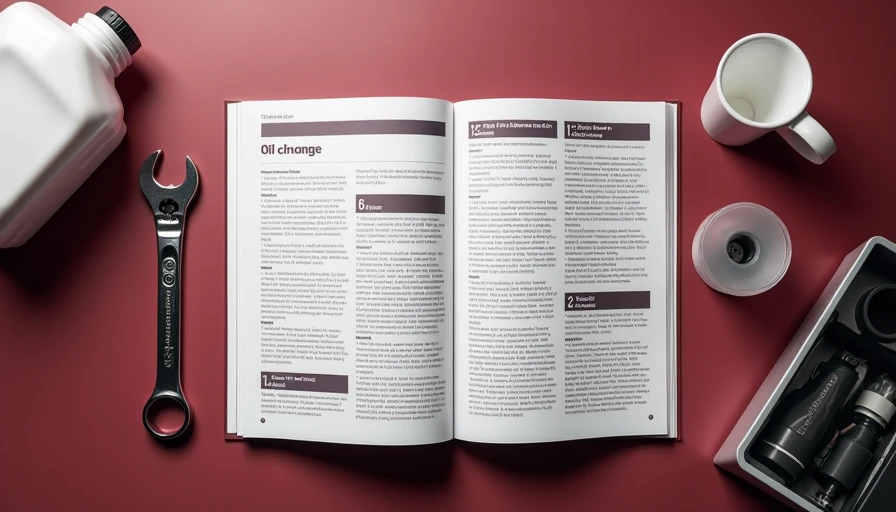
Step-by-step procedure from warm-up to drain plug
Start the engine and let it idle for two to three minutes, then shut it off. Slightly warm oil drains faster and carries more suspended contaminants out, but hot oil can burn, so give it a few minutes to settle. Open the hood, remove the oil fill cap, and pull the dipstick if accessible. That helps the crankcase vent while draining.
Raise and support the vehicle if needed. Slide the drain pan under the oil pan drain plug, leaving room for the stream to arc outward. Crack the drain plug loose with the correct socket, then remove it by hand while pushing inward on the plug until the last thread to avoid dropping it early. Let the oil drain until it slows to an occasional drip.
Inspect the drain plug threads and replace the crush washer or gasket if the design uses one. Reinstall the plug by hand first so you know it is not cross-threaded. Then tighten with a torque wrench to the vehicle specification. If you do not have the spec yet, stop and look it up before tightening. That is not a guess-fastener.
Changing the filter and refilling the engine
Move the drain pan under the oil filter. Spin off the old filter with an oil filter wrench if needed. Before installing the new one, compare the old and new filters for gasket diameter and thread pattern. Make sure the old rubber gasket came off with the old filter. A double-gasketed filter can dump oil pressure in seconds.
If your filter mounts vertically, pre-filling it partway can reduce dry start time. If it mounts sideways, skip that and just lubricate the new gasket with fresh oil. Thread the filter on by hand until the gasket contacts the base, then tighten according to the filter instructions, commonly three-quarters of a turn more by hand. Cartridge filter housings should be torqued to spec with the correct cap socket.
Lower the vehicle if needed, place a funnel in the fill opening, and add about half a quart less than full capacity. Reinstall the cap, start the engine for 30 seconds, and confirm the oil pressure light goes out. Shut it off, wait a couple of minutes, then check for leaks at the drain plug and filter.

Final level check, reset, and common mistakes to avoid
Now check the dipstick on level ground. Add oil in small amounts until the level reaches the full mark, but do not overfill. Overfilled oil can aerate and reduce proper lubrication. This is the step people rush, and it matters just as much as the drain plug torque.
Reset the maintenance reminder if your vehicle has one. Many systems can be reset through the dash menu, though some require a key-on pedal sequence. Record the date, mileage, oil brand, viscosity, and filter part number. I like a simple note in the glove box or a phone app.
A solid **diy oil change step by step** habit also includes cleanup and recycling. Pour used oil into sealed containers and take it to an auto parts store or recycling center that accepts waste oil. Most chain parts stores in the U.S. handle this.
When should you stop and call a pro? If the drain plug feels stripped, the filter housing is cracked, the oil pressure light stays on after refill, or you see fresh leaks you cannot identify, do not drive it. Tow it or get experienced hands on it. Done carefully, though, a **diy oil change step by step** routine is one of the best confidence-building jobs in car care.