Prevent Expensive Hybrid Repairs by Following These Essential Maintenance Steps
Prevent Expensive Hybrid Repairs by Following These Essential Maintenance Steps
Here's what I see go wrong most often: owners assume their hybrid is a set-it-and-forget-it machine because it sips fuel, or they worry it needs twice the maintenance of a gas car. The truth sits right in the middle. Whether you're driving a Prius, a Ford Escape Hybrid, or something sportier, your vehicle combines a traditional internal combustion engine with an electric motor. This tag-team approach saves fuel but introduces unique systems that demand specific attention. Neglecting the high-voltage battery or ignoring tire wear due to the extra weight is how small issues turn into four-figure repair bills. You can do this — here's how to do it right.
Why This Matters
Hybrid vehicles are built for longevity, but they aren't invincible. The high-voltage battery pack is the heart of your electric system. With proper care, it can last around a decade. However, heat, age, and long periods of inactivity will degrade its performance. Catching issues early is critical; some hybrid models allow you to replace only the failing battery modules rather than the entire pack. This option often disappears if you wait too long and the damage spreads, forcing a full pack replacement.
Additionally, while regenerative braking reduces wear on your mechanical brake components—meaning you'll likely need less brake replacement over the years—the added weight of the battery pack puts extra stress on your tires. Hybrids tend to be heavier than their gas-only cousins. Ignoring tire care leads to premature replacement, reduced efficiency, and safety risks. Staying on top of these differences is the key to enjoying the benefits of your hybrid with as few repair bills as possible.
What You Need to Know
Your hybrid maintenance overlaps with traditional gas vehicles for items like oil changes and fluid checks, but you must also address hybrid-specific systems.
- High-Voltage Battery: This battery powers the electric motor. It works in tandem with the gas engine. Regular inspection helps catch issues early. Heat management is vital; thermal stress reduces lifespan.
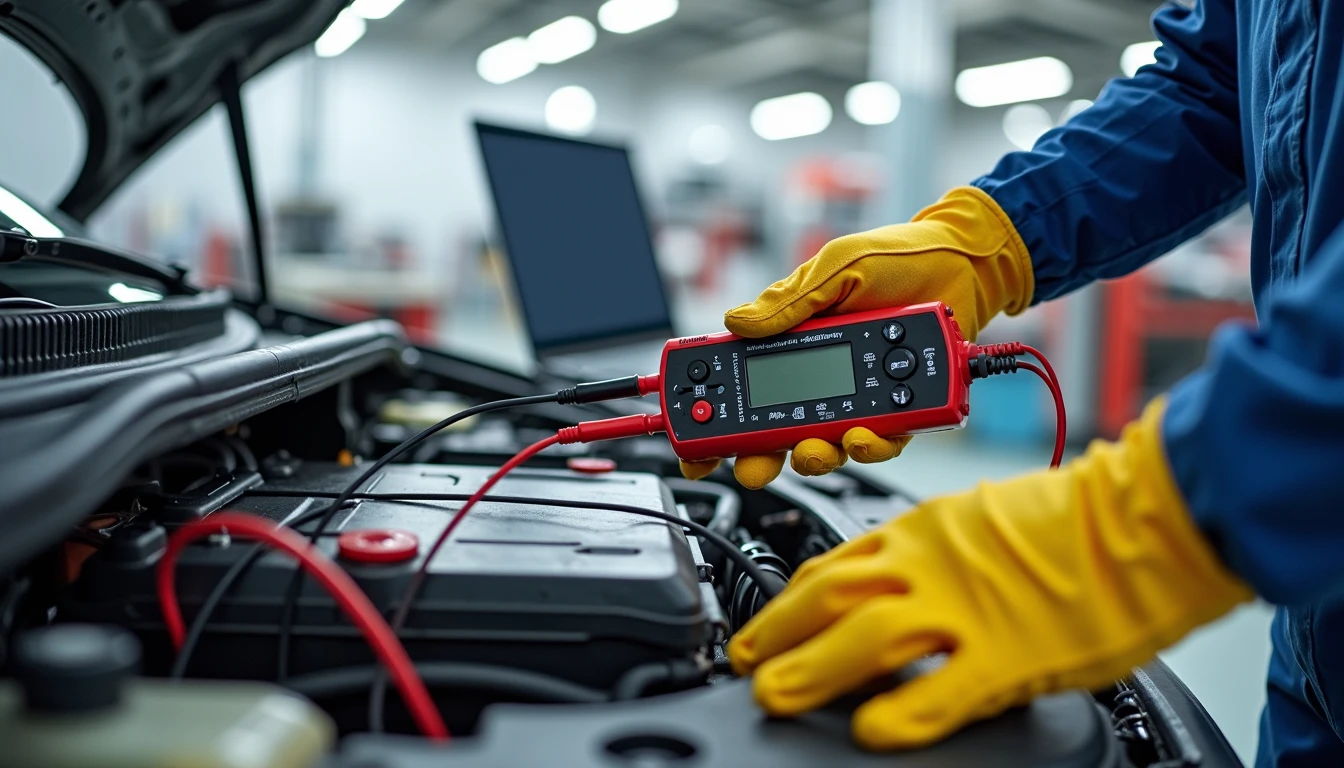
- 12-Volt Battery: Your hybrid still uses a standard 12-volt battery to run accessories like lights, windows, and the infotainment system. It is easy to overlook, but if this battery fails, you might not be going anywhere. Test this battery regularly and replace it every few years.
- Tires: Because of the battery weight, tire care is even more important. Monitor pressure and wear closely.
- Braking System: Regenerative braking captures energy when you slow down and recharges the battery. This system handles much of the deceleration, reducing wear on the physical brake pads and rotors.
- Cooling Systems: Hybrids often feature dual cooling systems to manage temperatures for both the engine and the electric components. Keep an eye on coolant levels and system health.
PRO TIP: Since heat is a primary factor that reduces high-voltage battery lifespan, park in shaded areas or a garage when possible. Keeping the battery pack cooler can help extend its service life.
Safety First
WARNING: Hybrid vehicles contain high-voltage electrical systems that can deliver dangerous shocks. Do not attempt to service the high-voltage battery, high-voltage cables, or related components yourself. These systems require specialized training and equipment, similar to the yearly training that ASE-certified technicians undergo. Always disconnect the 12-volt battery before performing any work under the hood to prevent accidental electrical shorts. If you smell burning, notice damage to electrical components, or see a battery warning light, stop driving and consult a qualified professional immediately.
Tool Check
Before you begin any inspection or maintenance, ensure you have the proper equipment:
- Multimeter (for testing the 12-volt battery).
- Tire pressure gauge.
- Jack and jack stands (for tire and brake inspections).
- Owner's manual (to locate fluid caps and service points).
- Safety glasses and work gloves.
- Basic hand tools (wrenches and sockets for standard maintenance).
How It Works
Understanding your hybrid helps you maintain it better. Your car uses a combination of a traditional internal combustion engine and an electric motor. The motor runs on the high-voltage battery pack. Together, these systems hand off work depending on speed, load, and power needs.
At stoplights, the gas engine can shut off completely to save fuel, then fire back up seamlessly when you press the accelerator. This stop-start operation reduces engine wear but requires a robust starter system and a healthy 12-volt battery to manage the electronics. The regenerative braking system slows the car by using the electric motor as a generator, converting kinetic energy back into electricity to recharge the high-voltage battery. This efficiency is why your brake pads last longer, but it also means the brake system requires periodic inspection to ensure the mechanical components remain functional when regen braking isn't sufficient.
Common Mistakes
- Myth: Hybrids need more maintenance than gas cars. This is false. While you have extra systems like the high-voltage battery, you experience less wear in other areas. Regenerative braking means fewer brake jobs, and the engine may run fewer hours overall. The reality is that maintenance needs tend to even out compared to traditional vehicles.
- Mistake: Ignoring the 12-volt battery. Many owners focus only on the big battery. If the 12-volt battery dies, your hybrid won't start because the accessories and control modules won't function. Test it every few years and replace it as needed.
- Mistake: Treating tires like a light gas car. Hybrids are heavier. Neglecting tire rotation and pressure leads to faster wear and can affect handling. Respect the extra weight in your tire care routine.
Bottom Line
Maintaining a hybrid doesn't require a degree in engineering, but it does require attention to the systems that make your car unique. Focus on the health of your high-voltage battery by managing heat and getting regular inspections, keep your 12-volt battery tested, and care for your tires to handle the vehicle's weight. By following these steps, you can extend the life of your battery, avoid costly repairs, and keep your hybrid running efficiently for years to come.
Comments
No comments yet — be the first to share a thought.