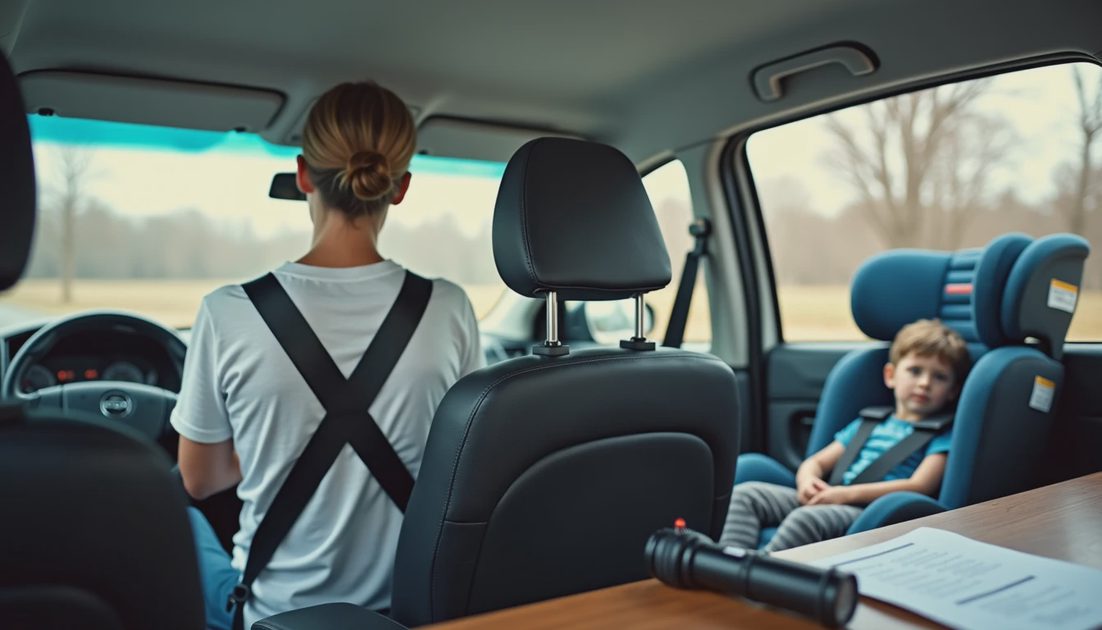
Build safer driving habits in 2026 to prevent life-changing crashes and keep your family out of the ER
Why This Matters (cost/safety/longevity payoff)
Here’s what I see go wrong most often: people treat driving safety like “common sense,” then they cut one corner—no seat belt for a quick trip, one text at a red light, “I’m fine to drive,” or pushing the speed limit in bad weather. Those little shortcuts are exactly how routine drives turn into life-changing crashes.
A safer-driving reset doesn’t just protect you. It protects your passengers, pedestrians, bicyclists, and motorcyclists sharing the road. The payoff is simple: fewer crashes, fewer injuries, fewer tickets, and a lot fewer “I wish I would’ve…” moments.
What You Need to Know (specs, types, intervals)
NHTSA’s “10 Safe Driving Tips for 2026” boils down to a handful of key behaviors you can commit to every single trip:
- Buckle up every trip, every time. Wear your seat belt correctly: shoulder belt across the middle of your chest and away from your neck, and lap belt across your hips, not your stomach. Never put the shoulder belt behind your back or under your arm.
- Ensure kids are in the right seat. Choose the right seat, install it correctly, use it every time, and transition only when appropriate. NHTSA notes: the back seat is the safest place for children under 13.
- Drive sober. It is illegal in every state to drive impaired by any substance—alcohol or other drugs, whether legal or illegal. If you’re impaired, do not drive—plan a safe ride home.
- Pay attention to the road. Distracted driving includes talking or texting on your phone, eating and drinking, talking to people in your vehicle, adjusting the stereo/entertainment/navigation—anything that pulls attention from driving. NHTSA notes texting or holding a cell phone to talk is illegal in many states.
- Obey speed limits. Speeding increases crash risk and injury severity. Also, even at the posted speed limit, you can be going too fast for conditions (bad weather, dawn/dusk, night, construction zones).
- Never drive drowsy. The best prevention is getting enough sleep. If you take medications, understand how they affect driving. Watch the highest-risk windows: midnight to 6 a.m. and late afternoon. Be alert for signs like drifting over lane lines or hitting rumble strips.
- Share the road responsibly. You’re not alone out there—watch for motorcyclists, bicyclists, and pedestrians, and remember motorcycles can be harder to see due to size/visibility.
Safety First
If you’re ever deciding between “getting there” and “getting there safely,” choose safety—every time. Pull over if you’re drowsy, put the phone away, and never gamble with impairment. You can’t “skill” your way out of physics.
Tool Check
This isn’t a wrench-and-socket job, but you do need a “driver’s toolkit”:
- A properly adjusted seat belt for every occupant
- A correctly installed child seat (and willingness to get it checked)
- A plan for a sober ride (rideshare, taxi, sober friend, public transit)
- A phone setup that keeps you from holding it (or better: silence it and stow it)
- A realistic schedule that allows sleep and avoids rushing
How It Works (step-by-step or explanation)
Think of this as a pre-drive checklist you run every time—because consistency is what saves lives.
1) Buckle up correctly before the car moves
- Put the shoulder belt across the middle of your chest, not cutting into your neck.
- Set the lap belt low across your hips, not over your stomach.
- Do not route the shoulder belt behind your back or under your arm—that misuse can make injuries worse in a crash.
- If you’re the driver, don’t roll until everyone is buckled.
Pro Tip: Make it a habit: engine on, seat belt on, gear last. That order prevents the “I’ll do it in a second” mistake.
2) Lock in child passenger safety every trip
NHTSA’s priorities are clear: right seat, correct install, every trip, correct transition timing.
- Keep children under 13 in the back seat (safest location per NHTSA).
- If you’re unsure, use NHTSA resources for recommendations based on age and size, installation instructions, and a car seat inspection station where a certified technician can check your work.
Safety First: A loose or incorrectly installed child seat can fail when you need it most. If you’re not 100% confident, get it inspected.
3) Drive sober—plan before you go
If you’re impaired by alcohol or other drugs—even if they’re legal—don’t drive. Plan ahead:
- Schedule a rideshare or taxi
- Call a sober friend
- Use public transportation
If you’re hosting, make sure guests leave with a sober driver and stop anyone from driving after drinking.
Pro Tip: Decide your ride home before the first drink. “I’ll figure it out later” is how bad decisions happen.
4) Kill distractions at the source
Distracted driving is anything that steals attention: texting, calls, eating, drinking, chatting, stereo, navigation adjustments.
- Set your route and audio before you pull out.
- Put the phone away so you’re not tempted.
- Remember: holding a phone to talk or texting is illegal in many states.
5) Manage speed for conditions, not ego
Posted speed limits are not a promise that conditions are safe at that speed.
- Slow down in bad weather, at dawn/dusk, at night, and in construction zones.
- Speeding raises the odds of a crash and increases injury severity.
6) Treat drowsiness like impairment
Drowsy driving is sneaky. NHTSA calls out the biggest prevention: get enough sleep.
- Understand medication side effects before driving.
- Be extra cautious during midnight to 6 a.m. and late afternoon.
- Watch for warning signs: drifting over lines, hitting rumble strips.
Safety First: If you’re fighting sleep, you’re not safe to drive. Pull over and change the plan.
7) Share the road like a professional
You’re driving around more vulnerable road users:
- Scan actively for motorcycles (small profile, easy to miss)
- Give room to bicyclists
- Expect pedestrians, especially in low light or busy areas
Common Mistakes (myths, pitfalls, warnings)
- “It’s a short trip—I don’t need a seat belt.” Most injuries happen close to home because that’s where you drive most often.
- Wearing the seat belt wrong. Shoulder belt behind the back/under the arm and lap belt over the stomach are common—and dangerous—misuses.
- “I drive better after a couple.” Impaired is impaired. NHTSA is clear: illegal in every state for alcohol or other drugs.
- “I can text at stoplights.” Distraction doesn’t start at movement—it starts when your attention leaves driving.
- “The speed limit means it’s safe.” Conditions can make the “legal” speed unsafe.
- “I’m just tired, not drunk.” Drowsiness can produce the same bad outcomes—delayed reactions, lane drift, poor judgment.
- Assuming others see you (or you see them). Motorcycles, cyclists, and pedestrians demand extra scanning and patience.
Bottom Line (summary, recommended action)
If you do nothing else in 2026: buckle up correctly every trip, keep kids properly seated (back seat under 13), never drive impaired, eliminate distractions, slow down for conditions, and don’t drive drowsy. Those habits aren’t complicated—but they’re life-saving when practiced consistently.