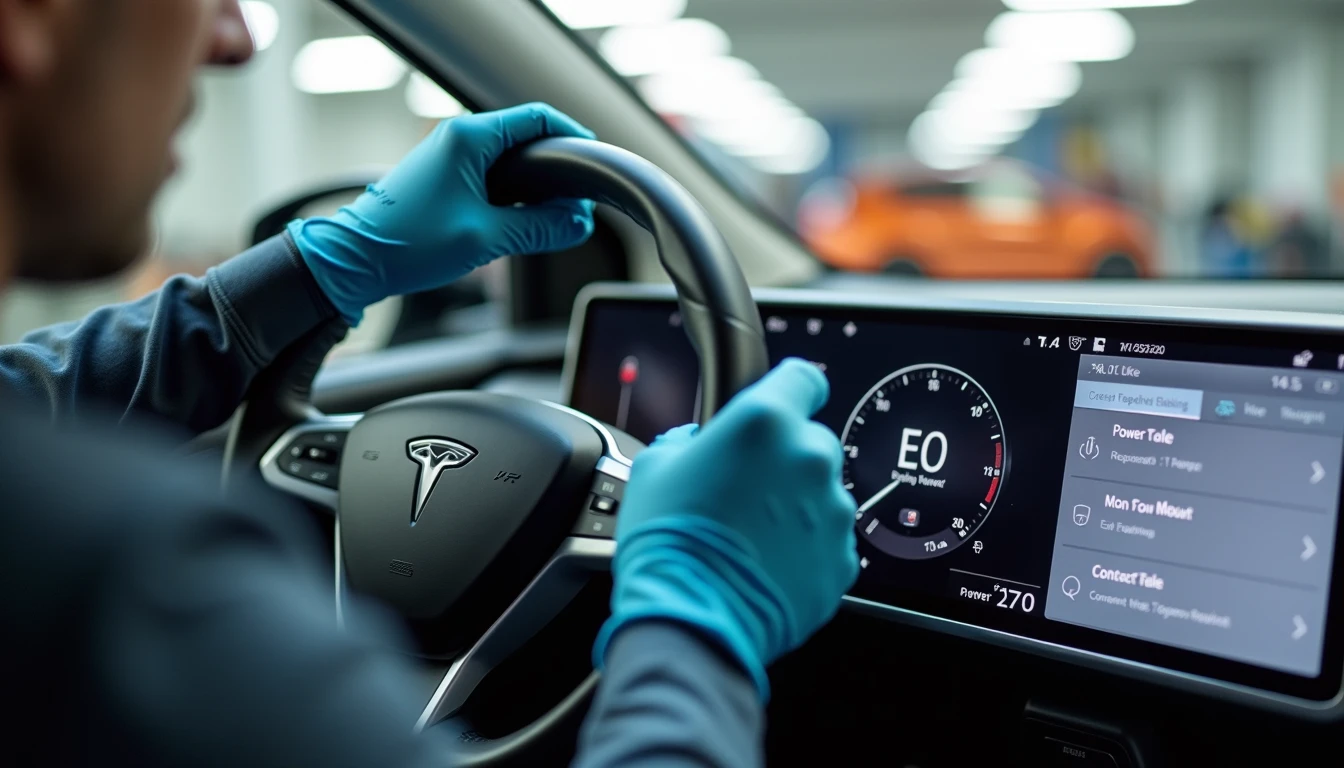
Get 10–20% more EV range on a trip by driving smarter—no parts, no hacks, just better technique
This guide explains how to maximize EV range using gentle acceleration, regenerative braking, preconditioning while plugged in, smart speeds, and Eco mode.
Get 10–20% more EV range on a trip by driving smarter—no parts, no hacks, just better technique
Why This Matters (cost/safety/longevity payoff)
Here’s what I see go wrong most often: people treat an EV like it has “infinite torque, infinite battery,” then get surprised when range drops fast—especially in cold weather, traffic, or on the highway. Changing how you drive and how you manage the car’s energy can save you time at chargers, reduce stress, and stretch the battery’s usable miles when you actually need it.
Think of your EV’s battery like a fuel tank that’s also a heating system and a power station. Every aggressive launch, every unnecessary brake application, and every blast of cabin heat is energy you can’t use to move the car forward. The payoff is simple: better range right now, and less heat and strain in the system over the long run.
What You Need to Know (specs, types, intervals)
No special parts, no “magic” add-ons. This guide is all technique-based and based strictly on the source article’s points.
Key terms, in plain English:
- kWh (kilowatt-hour): A measure of energy stored/used. It’s the EV equivalent of “gallons used,” just measured electrically.
- Regenerative braking (“regen”): When you slow down, the drive motors act like generators and send energy back into the battery.
- Friction brakes: Traditional brake pads and rotors. They turn motion into heat (wasted energy) instead of recapturing it.
- One-pedal driving: A strong-regen mode where lifting off the accelerator slows the car significantly, often without touching the brake pedal.
- Preconditioning: Heating or cooling the cabin (and sometimes the battery) while the vehicle is still plugged in so you use grid power instead of battery power.
Intervals, torque specs, fluid types, part numbers: The source article does not provide any. I’m not going to invent them.
Safety First
- Do not create a hazard to “hypermile.” Leave proper following distance, obey speed limits, and don’t coast in ways that reduce control.
- Practice new regen/one-pedal settings in a low-traffic area first. Strong regen can surprise you and the driver behind you.
- Keep your attention on the road, not the power meter. Quick glances only—treat it like checking mirrors.
Tool Check
You don’t need tools, but you do want:
- Your EV’s drive mode and regen settings accessible (steering wheel paddles/menu, if equipped)
- Access to your car’s smartphone app (for preconditioning, if supported)
- A safe place to practice smooth starts/stops
How It Works (10 practical steps you can actually use)
1) Drive gently (energy in = range out)
Acceleration costs energy in any vehicle, and EVs make it easy to overdo it because they pull so hard from a stop. The goal isn’t to drive slow—it’s to accelerate gradually whenever traffic allows.
How to do it right:
- Pretend there’s an egg under your foot on the accelerator.
- Watch the power meter in the instrument cluster; the lower you keep the bar/needle during acceleration, the less energy you’re spending to reach the same speed.
Pro Tip: If you’re merging, accelerate firmly *only as much as needed for safety*, then settle into a steady cruise.
2) Use regenerative braking in town (turn slowing down into charging)
Regen turns the drive motors into generators as the wheels spin them during deceleration. In city/suburban driving with lots of slowing, regen can claw back a meaningful chunk of energy.
How to do it right:
- If your EV has adjustable regen, try the stronger regen setting in town to enable more one-pedal driving.
- Understand your brake pedal: many EVs trigger regen at the top of pedal travel, then blend into friction brakes deeper in the stroke.
Pro Tip: For maximum recapture, do your slowing early and smoothly. Last-second hard braking tends to force more friction brake use.
3) Plan ahead (stop wasting speed you just paid for)
The big range killer isn’t cruising—it’s repeated “speed up / brake hard” cycles. Looking farther up the road lets you lift earlier and let regen do the work.
How to do it right:
- When you see a light turning yellow or traffic stacking, lift off early.
- Use the accelerator pedal to “modulate” (fine-tune) decel in one-pedal driving so you rarely need the brake pedal.
Pro Tip: If your EV offers eco-coaching that shows recaptured energy, use it for feedback—then focus on the road.
4) Precondition the car while plugged in (use the grid, not the battery)
Heating/cooling the cabin takes real energy. Preconditioning lets you reach a comfortable cabin temp using wall power while charging—especially handy with a home Level 2 charger.
How to do it right:
- Use the vehicle’s smartphone app (if available) to heat/cool before departure.
- If your schedule is consistent, set a regular departure time so the car is ready when you are.
Pro Tip: Don’t wait until you’re driving to demand maximum heat or A/C—get ahead of it while plugged in.
5) Keep tires properly inflated (rolling resistance matters)
Underinflated tires increase rolling resistance (how hard the tire has to “push” against the road), which costs range.
How to do it right:
- Check pressures regularly and keep them at the vehicle’s specified setting (use the placard info in the car).
6) Keep your speed reasonable (highway speed eats range)
Aerodynamic drag climbs fast with speed. The difference between “reasonable” and “fast” can be the difference between arriving comfortably and arriving stressed.
How to do it right:
- Choose a steady, sensible cruising speed instead of running with the fastest traffic.
7) Use cruise control (steady wins)
Humans tend to pulse the accelerator without noticing. Cruise control can smooth that out.
How to do it right:
- On open roads, set cruise so the car holds speed more consistently than your foot.
8) Try Eco mode (less punch, less waste)
Eco mode typically softens throttle response and may adjust other systems to reduce energy use.
How to do it right:
- Use Eco when you’re range-limited or when you know you’ll be in stop-and-go.
9) Tune your climate control (comfort without the penalty)
Climate control is a major auxiliary load. You don’t have to suffer—just be deliberate.
How to do it right:
- Start comfortable via preconditioning, then maintain rather than constantly “correcting” the cabin temp.
10) Coast when you can (don’t turn motion into heat)
If traffic and road conditions allow, coasting reduces unnecessary energy use. Combined with planning ahead, it reduces both propulsion demand and braking demand.
How to do it right:
- Lift early and let the car slow gradually instead of accelerating into a stop.
Common Mistakes (myths, pitfalls, warnings)
- Mistake: Hammering the throttle because “regen will get it back.” Regen recovers *some* energy, not all. It’s always more efficient not to waste it in the first place.
- Mistake: Waiting too long to slow down. Late braking often forces friction brakes, which converts your paid-for speed into heat.
- Mistake: Strong one-pedal driving without practicing. The decel can be abrupt at first—practice in a safe area so you don’t get rear-ended.
- Myth: Range is only about battery size. Driving style, speed, and HVAC use can swing real-world range a lot.
Bottom Line (summary, recommended action)
If you want the most range from your EV’s battery, focus on what you can control: gentle acceleration, early planning, regen-smart slowing, reasonable speed, and preconditioning while plugged in. You can do this—drive smooth, think ahead, and let the car’s systems work with you instead of against you.
Comments
No comments yet — be the first to share a thought.