Your Car Can't Save You From Bad Habits: Why Defensive Driving Still Matters
Your Car Can't Save You From Bad Habits: Why Defensive Driving Still Matters
Modern automobiles are engineering marvels. We have automatic emergency braking, lane-keep assist, and 360-degree cameras that practically park the car for us. It's easy to feel invincible behind the wheel of a new rig, trusting the electronics to sort out the chaos of the commute. But here's the hard truth: technology is a backup, not a replacement for skill. When the sensors get blinded by mud or the software hesitates, it's your brain and your reflexes that keep the metal from crumpling.
That's the core philosophy coming out of WMST, where the focus isn't just on passing a test, but on surviving the road. Defensive driving isn't about being timid; it's about being proactive. It's the difference between reacting to a disaster and seeing it coming before it happens. In an era where distracted driving is epidemic and road rage is commonplace, mastering these fundamentals is arguably more critical than knowing your car's torque curve.
The Three-Second Buffer
The most tangible takeaway from defensive driving training is the management of space. Specifically, the three-second rule. It sounds simple, yet tailgating remains one of the most common causes of rear-end collisions. The technique is straightforward: pick a fixed point on the road, like a sign or a shadow. When the car ahead passes it, you should be able to count to three before you pass the same point.
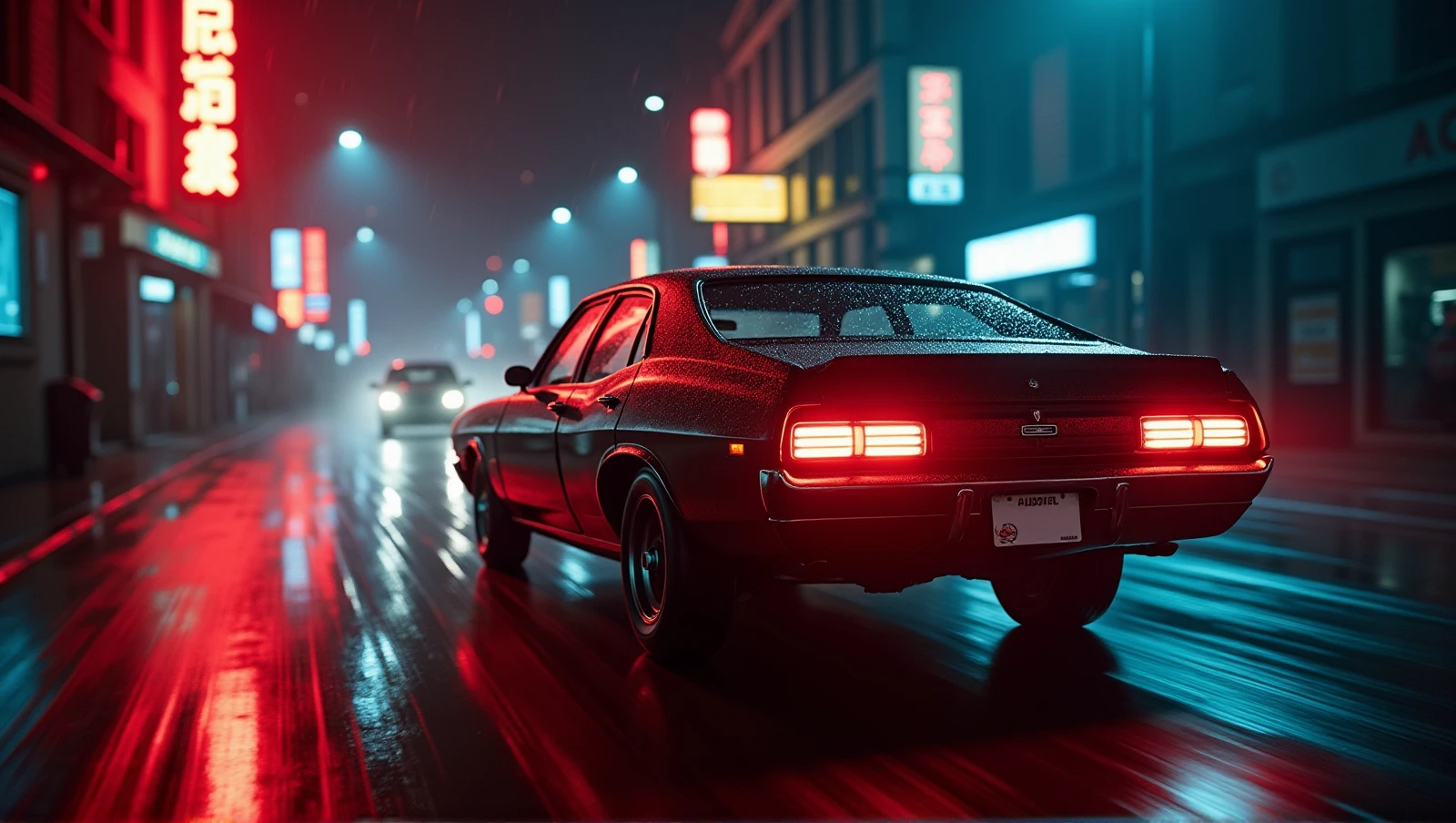
This isn't just about avoiding fender benders. It's about giving yourself time to think. If the vehicle in front slams on its brakes, that buffer is the only thing standing between a minor scare and a totaled chassis. WMST emphasizes increasing this distance in bad weather or heavy traffic. Rain reduces tire traction, and fog kills visibility. If conditions deteriorate, your following distance needs to expand accordingly. It's a dynamic calculation, not a static rule.
Beyond distance, there's the issue of awareness. Checking blind spots before changing lanes is Defensive Driving 101, but it's often skipped in the rush of merging onto a highway. Mirrors don't show everything, especially smaller vehicles like motorcycles or bicycles that can disappear into the B-pillar. A quick shoulder check is a non-negotiable habit for anyone who wants to stay in one piece.
The Distraction Trap
We live in a connected world, but the cockpit should remain a disconnected zone. Defensive driving courses highlight that keeping your eyes on the road and hands on the wheel isn't just legal advice; it's survival. Adjusting in-car entertainment or glancing at a phone notification splits your attention. At highway speeds, a two-second glance means you've traveled the length of a football field blind.
WMST notes that avoiding distractions goes beyond putting the phone in the glovebox. It's about mental focus. Managing road rage is part of this equation. When an aggressive driver cuts you off, the defensive instinct is to stay calm, maintain a steady speed, and avoid engagement. Escalating the situation with sudden lane changes or braking checks only increases the risk of an accident. The goal is to get home, not to win a confrontation with a stranger in a sedan.
Obeying traffic laws and speed limits is the baseline, but defensive driving asks you to go further. It means yielding to pedestrians even when you technically have the right of way. It means anticipating that the car at the intersection might run the red light. You plan for the unexpected by identifying escape routes. If the lane ahead suddenly blocks up, do you have space to move left or right? Knowing the answer before the crisis hits is what separates a close call from a collision.
Why It Pays Off
There's a tangible benefit to slowing down and scanning the horizon beyond just physical safety. Mastering these skills helps reduce accidents, which invariably leads to lower insurance costs. Insurers reward risk mitigation, and a clean record is the best leverage you have when renewing a policy.
Ultimately, defensive driving is about control. It's recognizing that you can't control the weather, the road conditions, or the idiot texting in the lane next to you. You can only control your own vehicle and your own reactions. By identifying potential dangers before they become accidents, you minimize risk. Whether you're driving a high-performance coupe or a family hauler, the physics of a crash don't care about your badge. Stay alert, keep your distance, and remember that the safest driver on the road is the one who expects everything to go wrong.
Comments
No comments yet — be the first to share a thought.