ENGINE SLUDGE: WHAT IT IS AND HOW IT CAN RUIN YOUR VEHICLE
Among the many concerns that plague vehicle owners, few carry as much dread as engine sludge. This harmful substance — a direct result of engine oil oxidation — can silently wreak havoc on an engine long before any symptoms become apparent. Here, we examine the nature of engine sludge, exploring where it comes from, what it does, and how to stop it.
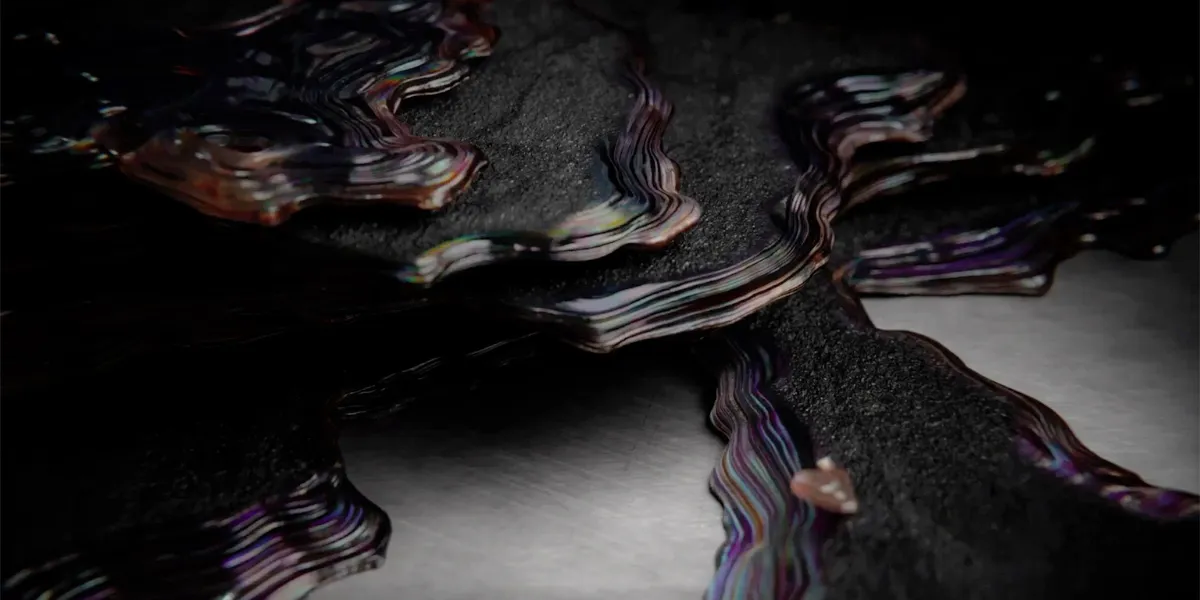
Engine sludge is a thick, tar-like, gelatinous material that develops as engine oil deteriorates. Heat exposure, contamination, and extended use all drive this breakdown. As oil oxidises, it ceases to function as an effective lubricant, shifting from a fluid that protects engine components into a viscous, damaging substance. This is more than a mere chemical reaction — it is an early indicator of serious engine trouble ahead.
This harmful process unfolds slowly, frequently going undetected until considerable damage has already occurred. The components most at risk are those that depend on consistent lubrication to function correctly:
Once sludge takes hold, it coats these parts, interfering with their normal operation and causing elevated friction, excessive heat buildup, and — in the most severe cases — total engine seizure.
A number of conditions speed up sludge formation. Frequent short-distance driving, where the engine never fully reaches operating temperature, can prevent oil from heating properly, triggering premature oxidation. Likewise, neglecting regular oil changes sets the stage for sludge, since aged oil is far more susceptible to breaking down. Together, these habits create ideal conditions for this engine-damaging substance to develop.
The science of engine oil oxidation tells a story of molecular breakdown under extreme stress. Under ideal circumstances, engine oil would retain its protective qualities indefinitely. But inside a running engine, oil is subjected to intense heat that degrades its molecular structure. When contaminants such as dust particles, metal fragments, and combustion byproducts enter the mix, the oil deteriorates further. The result is a transformation from a smooth, protective fluid into a dense, adhesive threat.
Once sludge establishes itself, it sticks to internal engine surfaces, obstructing oil flow and undermining engine efficiency. Think of it as arterial plaque in your vehicle — a blockage capable of triggering catastrophic mechanical failure. The consequences extend well beyond surface-level damage. Sludge can produce a wide range of problems, from minor issues like declining fuel economy to serious complications including overheating and heightened engine noise. In the worst outcomes, it can bring about total engine failure, requiring expensive repairs or a complete engine replacement. Sludge can also conceal existing engine problems or generate new ones, with clogged sensors and oil passages producing faulty readings and degraded vehicle performance.
Preventing engine sludge is considerably easier than addressing it after the fact. Routine oil changes using high-quality oil, following the maintenance intervals recommended by the manufacturer, and operating the engine correctly all substantially lower the likelihood of sludge developing. This straightforward approach goes a long way toward protecting the core of your vehicle.
Knowing which type of oil your vehicle calls for is equally important. Synthetic oils, for instance, are formulated to withstand elevated temperatures and resist oxidation, making them inherently less likely to contribute to sludge buildup. Changing your oil at the intervals appropriate for your specific vehicle and in line with manufacturer recommendations is an essential part of keeping sludge at bay.
Beyond oil changes, your driving patterns and the conditions in which you operate your vehicle can also have a meaningful impact on whether sludge accumulates over time.
If sludge buildup is suspected, acting quickly is essential. Key warning signs include oil pressure alerts, diminished engine performance, and unexpected mechanical noises. A qualified mechanic can evaluate the condition of the engine and carry out appropriate treatments — such as engine flushes or oil changes — to restore proper function.
Catching engine sludge early makes a significant difference. Routine inspections performed during oil changes can expose the presence of sludge before it causes widespread damage. Mechanics are trained to identify the characteristic signs — a thick, tacky residue on engine components or inside the oil pan — and respond accordingly. In some situations, an engine flush may be required to clear out sludge deposits, after which a fresh oil change can bring the engine back to peak condition.
Engine sludge is a quiet threat, gradually undermining your vehicle's performance and lifespan without obvious warning. Understanding its origins, the damage it causes, and the steps needed to prevent it puts you in a strong position to keep it out of your engine for good. Consistent maintenance is not merely a habit — it is a defense against the destructive potential of oil oxidation and the engine damage that sludge can cause.
The condition of your engine ultimately comes down to the care it receives. Scheduled oil changes using premium products like those offered by Valvoline, combined with careful attention to the warning signs of sludge, will keep your vehicle performing at its peak. Engine sludge is not an unavoidable outcome — with the right maintenance practices, your engine can stay clean, efficient, and strong for many years ahead.
Comments
No comments yet — be the first to share a thought.