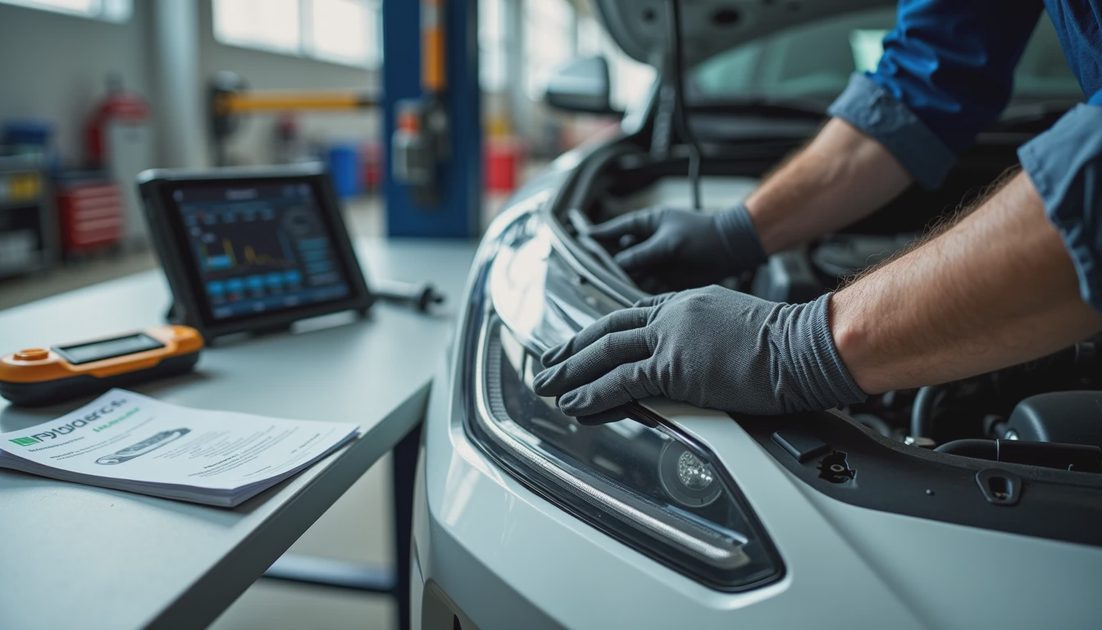
Hybrid maintenance every 5,000–7,500 miles helps protect your engine and avoid big hybrid battery bills
Why This Matters (cost/safety/longevity payoff)
Here’s what I see go wrong most often: hybrid owners assume “hybrid” means “low maintenance,” so they stretch oil changes, ignore air filters, and wait for warning lights to show up before they act. The payoff for staying ahead of basic maintenance is huge—steady fuel efficiency, fewer breakdowns, and a longer-lived engine and battery system.
On the battery side, the source puts real numbers to what’s at stake. Typical hybrid battery replacement costs are listed as USD 2,000–3,000 for a Toyota Prius, USD 1,500–2,500 for a Honda Civic Hybrid, and USD 2,500–4,000 for a Ford Fusion Hybrid. You don’t want to “wait and see” when you’re dealing with a component in that price range.
Safety matters too. Hybrids have high-voltage electrical systems. Even when you’re doing simple checks, you need to respect that system and avoid poking around areas you don’t fully understand.
What You Need to Know (specs, types, intervals)
The source gives a few key maintenance intervals and guidance points you should treat as non-negotiable baselines:
- Engine oil change interval: typically every 5,000 to 7,500 miles, depending on model and driving conditions.
- Where to confirm your exact interval: your owner’s manual (the source specifically calls this out).
- Engine air filter check interval: every 15,000 miles, or as recommended by the manufacturer; replace if necessary.
- Battery health monitoring method: use the vehicle’s onboard computer or a specialized tool to monitor hybrid battery health.
- Symptoms that should trigger action (engine-related):
- unusual noises or vibrations
- decreased performance or power
- increased fuel consumption
- dashboard warning lights
- Symptoms that should trigger action (battery-related):
- reduced fuel efficiency
- decreased performance
- dashboard warning lights
Important boundary: the source does not provide any torque specs, fluid types, oil viscosities (viscosity = how thick the oil is at a given temperature), filter part numbers, or battery test thresholds. So I’m not going to make them up. For torque specs, use your owner’s manual (or the manufacturer service information) for your exact model and engine.
How It Works (step-by-step or explanation)
Safety First
- High voltage awareness: Hybrid electrical components can carry dangerous voltage. If you’re not trained and equipped for high-voltage work, limit yourself to the checks described in your owner’s manual and basic under-hood inspections.
- Let moving parts stop: When checking anything under the hood, make sure belts/fans are not cycling on unexpectedly. Hybrids can start/stop the engine automatically.
- If you see warning lights: Don’t keep driving and “hope it clears.” The source is clear: consult the owner’s manual or a trusted mechanic.
Tool Check (basic, non-invasive)
The source mentions only these tools/paths:
- Your vehicle owner’s manual
- Vehicle onboard computer
- A specialized tool (for battery health monitoring)
- Access to a trusted mechanic or dealership when issues appear
Step 1: Follow the oil-change schedule (5,000–7,500 miles)
Why before how: Oil is the engine’s protective film. Even in a hybrid, the gas engine still needs clean oil to reduce wear and control heat. The source states that regular oil changes are essential to extend engine life and prevent costly repairs.
How to do it right (process-level guidance):
1. Confirm your interval in the owner’s manual, using the source’s typical range (5,000–7,500 miles) as the baseline.
2. Track mileage so you don’t miss the window—especially if your hybrid spends lots of time in stop-and-go conditions.
3. After the service, verify:
- no warning lights
- no leaks under the vehicle
- engine sounds normal
Pro Tip: If your fuel economy drops and nothing else changed, don’t assume it’s “just winter gas” or “hybrid battery aging.” Check maintenance history first—overdue oil service is one of the easiest problems to eliminate.
Step 2: Check the engine air filter every 15,000 miles
Why before how: The air filter protects the engine from dirt and helps it breathe properly. The source notes that a dirty air filter can decrease fuel efficiency and performance.
How to handle it:
1. At 15,000-mile intervals (or per your manufacturer), inspect the air filter.
2. If it’s dirty enough to restrict airflow, replace it.
Pro Tip: If you drive in dusty areas, your filter can load up early. Even if you’re not at 15,000 miles yet, a quick look can save you from unnecessary fuel-economy loss.
Step 3: Monitor engine performance using the “symptom checklist”
The source provides a simple decision flow: start the engine and check for symptoms; if any are present, consult the owner’s manual or a mechanic.
Use this exact logic:
1. Start the engine
2. Check for unusual noises
- If yes: consult owner’s manual or mechanic
3. Check for decreased performance
- If yes: consult owner’s manual or mechanic
4. Check for increased fuel consumption
- If yes: consult owner’s manual or mechanic
5. If none apply: continue monitoring
Step 4: Monitor hybrid battery health (onboard computer or specialized tool)
Why before how: The hybrid battery supports low-speed driving and light-load operation. If it degrades, you’ll often feel it as reduced efficiency and weaker performance—then the bills show up.
What to do:
1. Use the onboard computer to review battery/energy information (follow your owner’s manual for menu paths).
2. Watch for these red flags from the source:
- reduced fuel efficiency
- decreased performance
- dashboard warning lights
3. If you see red flags, contact a trusted mechanic or dealership promptly—the source emphasizes early action because replacement cost is significant.
Common Mistakes (myths, pitfalls, warnings)
- Myth: “Hybrids don’t need frequent oil changes.”
Reality: The source calls regular oil changes vital, and gives a typical interval of 5,000–7,500 miles.
- Waiting for warning lights as your maintenance plan.
Reality: The source lists warning lights as a symptom—meaning you’ve already got something to investigate.
- Ignoring air filters because “it still runs fine.”
Reality: The source ties dirty air filters directly to reduced fuel efficiency and performance.
- Treating battery symptoms as “normal aging” and delaying diagnosis.
Reality: The source says address battery issues promptly, and shows replacement can run USD 1,500–4,000 depending on model.
- Getting into high-voltage components without training.
Reality: Even basic hybrid systems can be hazardous. If your check requires more than onboard info and basic inspection, stop and get help.
Bottom Line (summary, recommended action)
Hybrids reward consistency. Stick to the source’s baseline intervals—oil every 5,000–7,500 miles and air filter checks every 15,000 miles—and actively monitor performance and battery health using your onboard computer. If you notice reduced fuel economy, decreased performance, unusual noises, vibrations, or warning lights, use your owner’s manual and involve a trusted mechanic early—because hybrid battery replacement can land in the USD 1,500–4,000 range.