HYBRID, PLUG-IN, OR FULLY ELECTRIC: WHICH CAR IS RIGHT FOR YOU?
Since automobiles first appeared on our roads, the drive to innovate within the automotive sector has never slowed. In recent decades, however, a new wave of environmentally conscious vehicles has emerged. Whether you are considering a hybrid, a plug-in hybrid—both of which pair a petrol engine with electric batteries—or a fully electric vehicle, the range of green mobility solutions available today is broader than ever. Let us take a closer look at each of these three categories and weigh their respective advantages and disadvantages.
Think of hybrid automobiles as a fusion of conventional combustion-powered cars and electric ones. They house an internal combustion engine (ICE), an electric motor, and a battery working together. At times, the ICE and electric motor operate simultaneously, while in other situations—particularly at lower speeds—the electric motor handles propulsion on its own.
One of the most notable features of hybrid vehicles is their regenerative braking system, which replenishes the battery charge. As the driver applies the brakes, kinetic energy that would otherwise be lost is captured and converted into electrical energy to top up the batteries.
A Plug-In Hybrid Electric Vehicle (PHEV) sits squarely between a standard hybrid and a fully electric car. Like hybrids, PHEVs integrate an ICE alongside an electric motor. The key distinction, however, is that PHEVs are equipped with larger battery packs and can be connected to an external power source for charging—just as fully electric vehicles are. Thanks to these bigger batteries, plug-in cars can travel a significantly greater distance on electric power alone. This all-electric range is often sufficient to cover most everyday commutes, meaning a PHEV driver may rarely need to engage the combustion engine at all.
Once the battery runs low, or when conditions call for greater output, the ICE kicks in and functions much as it does in a conventional hybrid. This effectively removes the "range anxiety" that many drivers associate with fully electric vehicles.
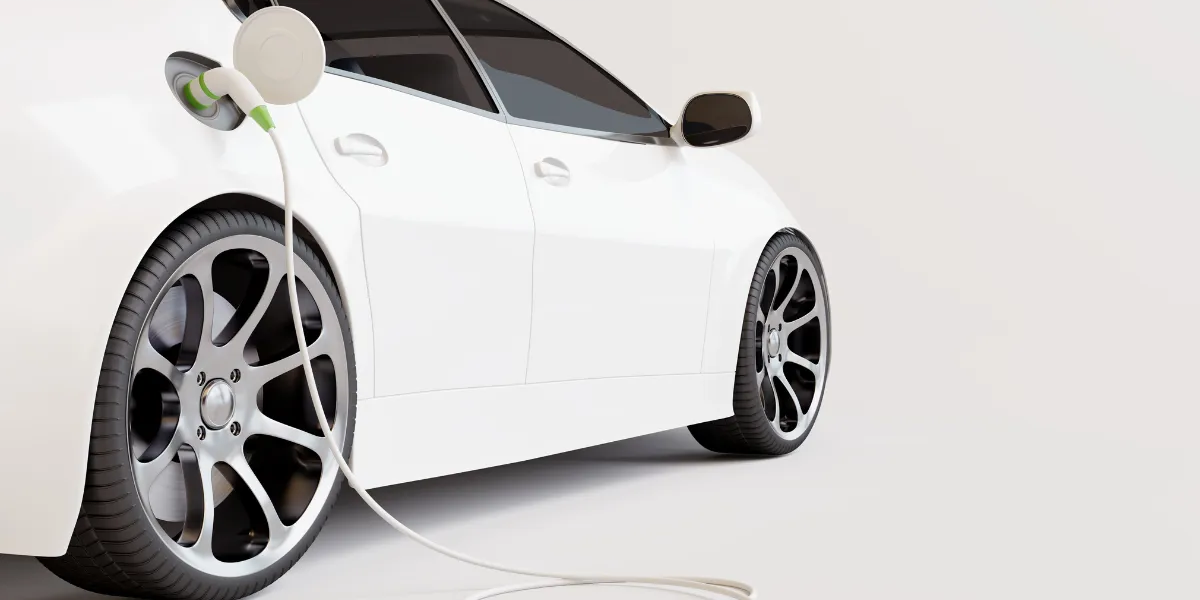
Fully electric cars, commonly referred to as Battery Electric Vehicles (BEVs), rely entirely on electrical power. One or more electric motors drive the vehicle, supported by a substantial battery pack that can be recharged as needed. There is no internal combustion engine, no fuel tank, and no exhaust system. Charging a BEV can be accomplished via a standard wall outlet, a dedicated home charging unit, or a public charging station. The time required to fully charge an electric vehicle depends on:
The driving range achievable on a single charge has grown steadily over the years. A number of current models now deliver ranges that rival those of traditional petrol-powered cars.
The decision between a hybrid, a plug-in hybrid, or a fully electric car ultimately comes down to individual circumstances—your daily driving habits, availability of charging infrastructure, and financial situation. Hybrids and PHEVs offer a practical stepping stone toward cleaner driving, while BEVs represent the most sustainable form of road transport available today. As battery technology advances and charging networks continue to grow, the transition to electric vehicles is set to gain further momentum.
Although these next-generation electric vehicles require little to no petrol, they still depend on proper lubrication for components such as the transmission, bearings, and air conditioning system. By selecting the right lubricants and choosing Valvoline, owners of these modern vehicles can count on reliable, long-lasting performance.
Comments
No comments yet — be the first to share a thought.