THE COMPLETE GUIDE TO HYBRID CARS: WHAT YOU SHOULD KNOW
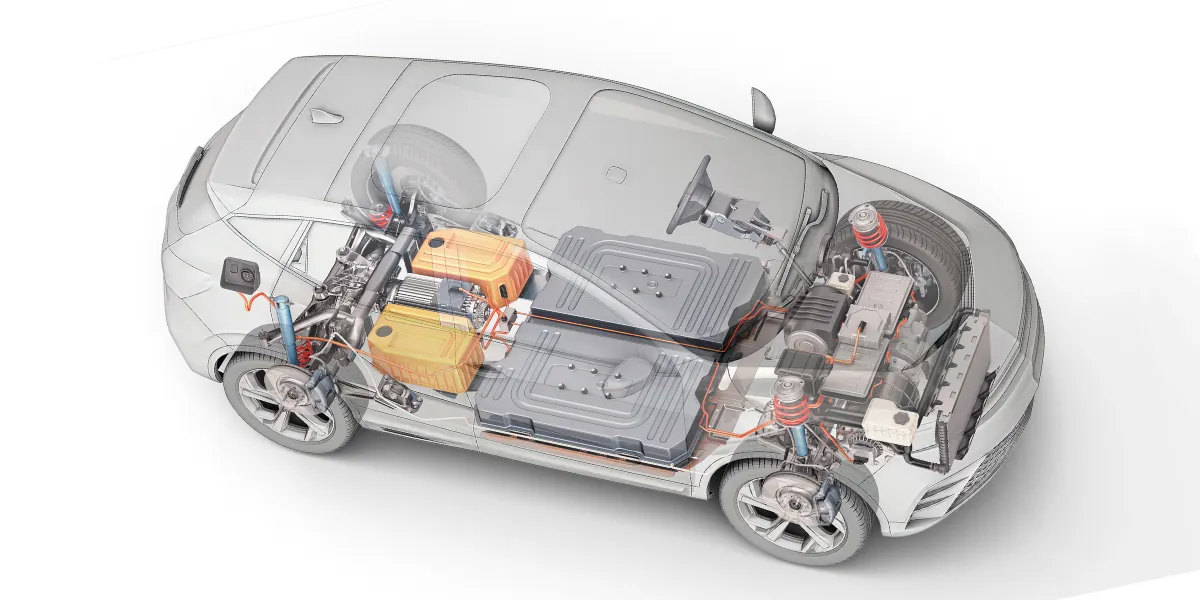
Chances are you have come across some mention of hybrid vehicles at some point, but how deeply do most of us actually grasp what they are? This technology is still relatively young, meaning even seasoned car enthusiasts may find themselves unfamiliar with the details. At their heart, hybrid electric vehicles — or HEVs — serve as the connection between the conventional gasoline-powered cars most households rely on and a cleaner, more sustainable tomorrow. They marry the proven dependability of gas engines with the environmental advantages and ingenuity of electric power. As the world moves deeper into an era of eco-conscious driving, understanding the intricate interplay of mechanics and electronics inside every HEV becomes increasingly valuable. Here is a closer look at what makes these vehicles not just relevant today, but essential to the future of transportation.
The name "Hybrid Electric Vehicle" may sound technical or even intimidating, but the concept itself is straightforward: these cars are a fusion of traditional gasoline-powered automobiles and fully electric ones. The term "hybrid" reflects the pairing of two distinct propulsion systems — an internal combustion engine and an electric motor — to create something entirely new. This dual-power architecture gives hybrid cars a meaningful edge in fuel efficiency, resource conservation, and emissions reduction. For drivers looking to transition gradually from conventional vehicles to fully electric ones, hybrids offer a natural and practical stepping stone.
At their foundation, hybrid cars integrate gasoline and electric motors working in tandem. Yet the technology has evolved through the contributions of multiple innovators, each developing distinct configurations suited to different needs, driving habits, and operating environments.
Parallel hybrids represent the most widely adopted hybrid configuration on the market today. True to their name, the gasoline engine and electric motor in these vehicles operate simultaneously, both connected to the transmission. This arrangement allows either or both power sources to drive the car. Switching between the two is straightforward, and experienced drivers typically recommend leaning on gasoline at highway speeds while relying on electric power during slower, urban driving.
The series hybrid stands apart as a unique configuration in which the fuel engine never directly drives the wheels. Instead, the engine functions purely as a generator, charging the batteries that supply power to the electric motor responsible for propulsion. This setup tends to excel in city driving conditions, where frequent stops and starts are the norm.
Unlike other hybrid types, plug-in hybrids are equipped with larger battery packs capable of being charged via standard electrical outlets. This expanded capacity translates to a significantly longer electric-only driving range, often allowing drivers to complete their daily commutes without consuming any gasoline at all.
Sitting somewhere between full hybrids and battery-only electric vehicles, mild hybrids primarily use their battery to supplement the gasoline engine rather than replace it. The fuel savings and cost reductions they offer are more modest than those of a full hybrid, but they do meaningfully extend the range of conventional vehicles. Mild hybrids have found their way into a growing number of new cars currently available on the market.
Hybrid Electric Vehicles and fully electric cars both represent newer approaches to transportation and are recognized for their environmental advantages, yet each operates on a fundamentally different design philosophy. As sustainability becomes an increasingly prominent factor in the automotive market, understanding the key distinctions between these two vehicle types is essential for buyers, sellers, and enthusiasts alike.
The most fundamental difference lies in how each vehicle draws its power. A fully electric car relies entirely on its battery pack and runs exclusively on electricity, requiring regular charging at home or at dedicated charging stations. With no gasoline engine onboard, it depends wholly on stored electrical energy and its electric motor. Hybrid cars, by contrast, incorporate both a gasoline engine and an electric motor, giving them access to two independent power sources.
2. Range and Efficiency
Electric vehicles benefit from ongoing advances in battery technology, which continue to extend their per-charge range. Nevertheless, range limitations remain a consideration. HEVs sidestep this concern by seamlessly alternating between gas and electric power as conditions demand. This flexibility ensures uninterrupted driving and eliminates range anxiety, while simultaneously striking a practical balance between fuel economy and everyday convenience.
3. Infrastructure Dependency
Infrastructure availability presents another meaningful distinction between the two. Despite the growing prevalence of electric vehicles, the charging network remains sparse in certain regions and along many long-distance routes. Because HEVs can draw on two power sources, they adapt more readily to varying circumstances — if the electric charge is depleted, the gasoline engine takes over automatically. This makes them a more versatile option in areas where charging infrastructure has yet to fully mature.
Hybrid Electric Vehicles carry an inherent appeal simply by virtue of being a newer technology, but curiosity alone is not the only reason to consider one. They also represent sophisticated engineering achievements and deliver a wide array of advantages for both the driver and the wider environment.
HEVs come with a compelling list of strengths, but clearing up misconceptions and addressing legitimate concerns is equally important for anyone thinking about making the switch. A clearer understanding of these vehicles helps prospective buyers make better-informed decisions.
Perhaps the most persistent myth is that HEVs are luxury items accessible only to high-income buyers. While vehicles equipped with dual-power systems can carry a higher sticker price than conventional cars, that gap frequently narrows over time. Savings on fuel, available government incentives, and potentially reduced maintenance costs can offset the upfront investment, making HEVs a sound financial choice in the long run. Worth noting: hybrids still require routine upkeep, including regular lubrication, hybrid car engine oil, and fluid changes.
Concerned that hybrid batteries need frequent and costly replacement? Modern hybrid batteries are engineered for durability. Many are rated for tens of thousands of kilometres and a lifespan exceeding ten years. Furthermore, as the hybrid market has expanded, battery prices have declined steadily while performance and longevity have continued to improve.
Some worry that hybrid-specific parts are scarce and that qualified service technicians are difficult to find. As hybrids have become more widespread, however, a growing number of mechanics and service centers have developed expertise in working on them. Components designed for hybrid vehicles frequently come with extended warranties and stronger manufacturer support than their conventional counterparts.
Another misconception holds that hybrid cars sacrifice performance and driving enjoyment in favor of efficiency. In reality, many modern hybrids deliver an impressive blend of power and responsiveness. The near-instant torque characteristic of electric motors often enhances the driving experience rather than diminishing it.
There is also a belief that the added complexity of HEVs makes them less durable over time. Like any vehicle, hybrids require consistent maintenance and attention. With proper care, many HEVs have proven to match or surpass the lifespan of their gasoline-only counterparts. The reduced number of moving parts in electric motors also contributes to their long-term reliability.
Critics of HEVs' environmental credentials sometimes point to the impact of producing and eventually disposing of large hybrid batteries. While battery manufacturing does carry an environmental cost, the cumulative reduction in emissions and fuel consumption across the vehicle's life typically offsets it. Advances in recycling technology are also making battery disposal increasingly environmentally responsible.
For most hybrid owners, keeping the car charged is a simple and largely hands-off process — though the specifics vary depending on which type of hybrid you drive. A standard hybrid requires minimal intervention: keeping the fuel tank filled is essentially all that is needed.
Plug-in hybrid owners will need to charge their vehicles more regularly to keep the battery pack adequately powered. While the gasoline engine can replenish some battery charge during driving, a physical connection to a power source is generally necessary to maintain full charge capacity.
Most plug-in hybrid models include a charging cable compatible with a standard wall outlet, making overnight home charging straightforward. Public charging stations located at gas stations, retail stores, and shopping centers offer another option, allowing drivers to top up while running errands. At these stations, you pay for the electricity consumed, unplug when finished, and continue on your way.
Hybrid electric cars represent a thoughtful synthesis of the familiar and the forward-looking — pairing the reliability of gasoline engines with the efficiency and environmental responsibility of electric power. As society steadily shifts toward greener modes of transportation, understanding the mechanics and advantages of hybrid and plug-in vehicles grows ever more important. Whether your motivation is environmental stewardship or simply an appreciation for technological progress, it is clear that HEVs are actively shaping a cleaner and more efficient path ahead.
Hybrid or conventional, every car depends on proper lubrication to operate safely and at its best. With a long legacy of lubricant innovation, Valvoline is exceptionally well-suited to meet the demands of hybrid electric vehicles. Using Valvoline products in your HEV or electric car helps preserve the careful balance between electric and gasoline engine components. Valvoline's formulations are developed with the specific requirements of hybrid vehicles in mind, addressing their unique needs for protection, fuel efficiency, and reliable operation. Choosing Valvoline as an HEV owner means more than selecting a lubricant — it means partnering with a brand dedicated to maximizing the performance and longevity of your environmentally conscious vehicle. Explore the full lubricant lineup here, or get tailored recommendations through the Lubricant Advisor.
Comments
No comments yet — be the first to share a thought.